- Home
- Past Conferences
- 2nd Spatial Genome Organisation Conference




2nd Spatial Genome Organisation Conference
The Nucleome in Basic Biology and Disease #SGO25
31 Oct - 03 Nov 2025
Riviera Maya, Mexico
-
Matthias Altmeyer
University of Zurich
-
Irene Chiolo
University of Southern California
-
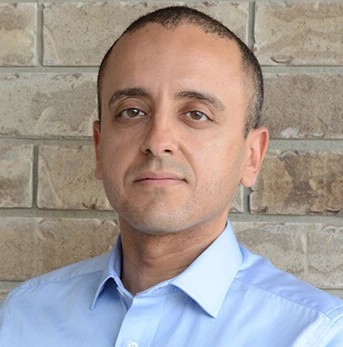
Karim Mekhail
University of Toronto
Early Bird - Expired • Talk Submission - Expired • Poster Submission - Expired • Registration & Payment Deadline - Expired
Report
Report on the 2nd Spatial Genome Organisation Conference (SGO25)
31 October - 3 November 2025, Riviera Maya, Mexico
Conference Chairs: Matthias Altmeyer, Irene Chiolo, and Karim Mekhail
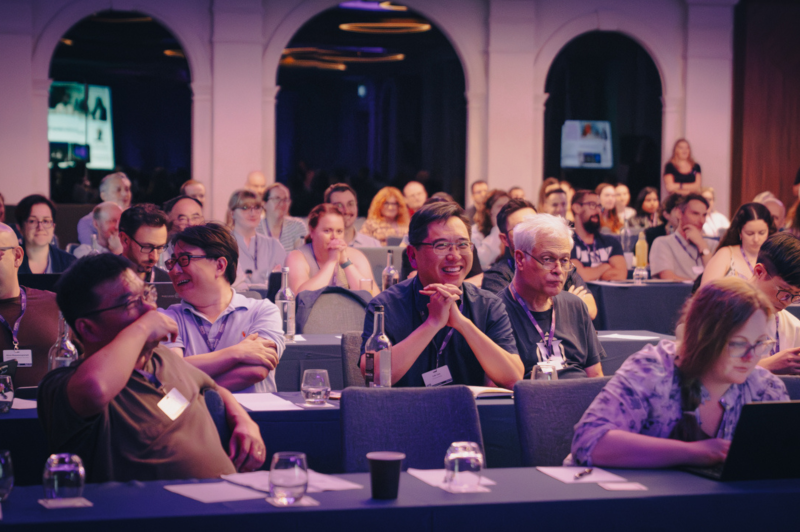
The 2nd Spatial Genome Organisation Conference brought together researchers studying nuclear architecture, genome topology, transcriptional regulation, DNA repair, and biomolecular condensates. The meeting featured an interdisciplinary program exploring how the spatial organization of the genome influences key nuclear processes and cellular responses to stress. Through a series of thematic sessions, presentations highlighted emerging principles connecting genome architecture with replication, transcription, DNA repair, and chromatin regulation.
Several sessions focused on the physical and topological constraints that shape chromosome organization during DNA replication and genome maintenance. New insights were shared on how DNA topology, supercoiling, and chromosomal catenation influence chromosome folding and replication processes. These studies emphasized the importance of chromosome structural maintenance complexes and topoisomerases in coordinating replication with genome architecture, and indicated that the spatial organization of chromatin domains actively helps manage replication stress and preserve genome stability.
Another key theme of the meeting was the role of nuclear compartments and biomolecular condensates in organizing genome function. Presentations highlighted that dynamic protein and RNA condensates can serve as regulatory hubs that coordinate transcription, DNA repair, and RNA metabolism. New imaging and biochemical techniques revealed how these assemblies form, dissolve, and interact with chromatin in response to cellular signals and DNA damage. These findings support an increasing view that condensate formation is an important mechanism by which cells spatially organize nuclear activities and integrate multiple signaling pathways.
The conference also highlighted how genome instability results from disruptions to nuclear organization during replication stress, chromosome mis-segregation, and mitotic errors. Studies examining micronuclei, chromosomal rearrangements, and DNA damage responses showed how structural changes in the genome can trigger inflammatory signaling and modify transcriptional programs. These observations further emphasize the strong connections between spatial genome organization, genome stability, and disease processes including cancer and aging.
Technological innovation was another key focus of the meeting. New high-resolution genomic mapping techniques, single-molecule imaging methods, and computational models are providing more detailed views of chromosome interactions and nuclear structure. These tools help researchers link genome organization to gene regulation and DNA repair processes across various spatial and temporal scales.
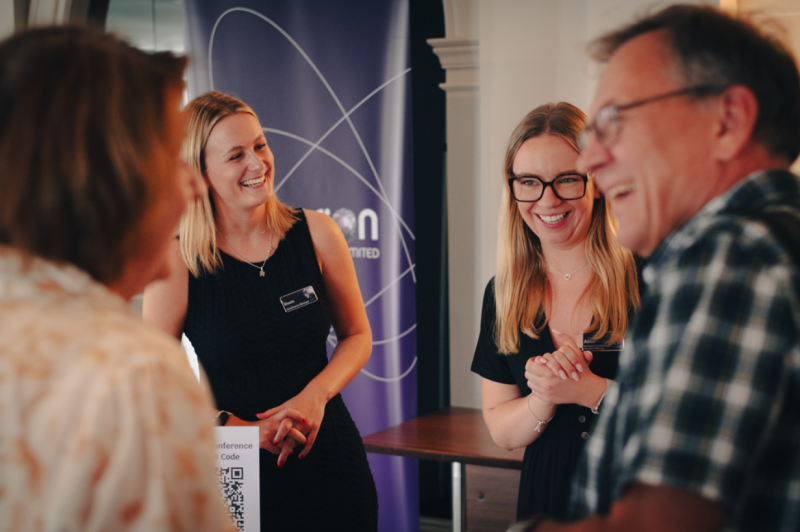
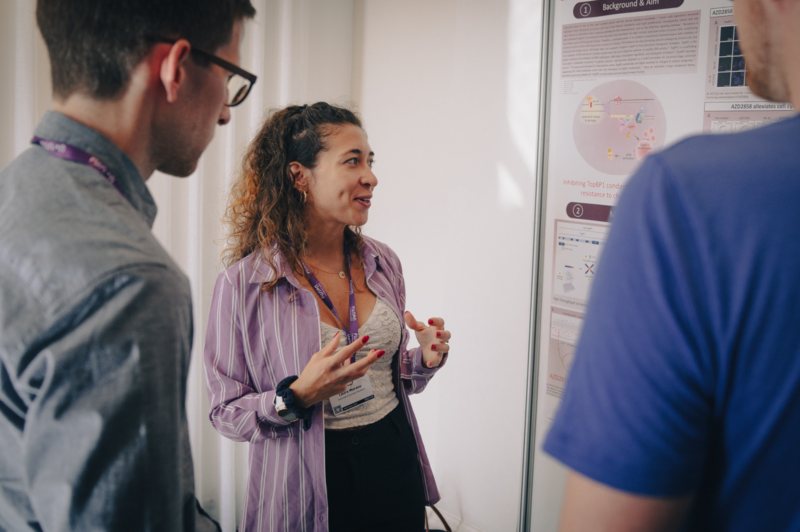
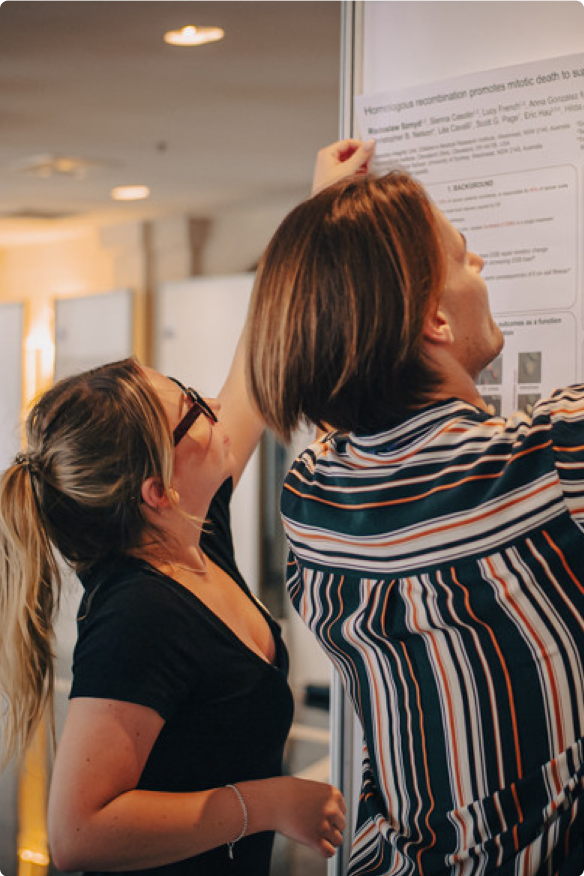
The meeting also promoted active participation among early-career scientists through poster sessions and networking events, creating opportunities for discussion and collaboration. Overall, the conference effectively combined advances in chromatin biology, genome stability, and nuclear organization, emphasizing the significance of spatial genome architecture as a unifying framework for understanding genome function in health and disease.
Synopsis
The conference will bring together scientists working to better understand nuclear and genome organisation in various organisms, tissues, and cell states.
Conference sessions will cover topics related to:
● Nuclear and subnuclear structure and function
● Nuclear organisation and chromosome topology in gene expression
● Nuclear organisation and chromosome topology in DNA replication and repair
● Crosstalk between transcription and repair
● Impact of nuclear and genome organisation on genome editing
● Genome editing technologies in the study of nuclear and genome structure and function
● Nuclear bodies including the nucleolus, Cajal bodies, speckles, PML bodies
● Constitutive and induced phase separation in the nucleus
● Topologically associated domains and transcription in genome control
● Signalling cues, cellular states and genome organisation
● Genome organisation in pluripotency and during differentiation
● Nuclear and genome structures in health, cancer, aging, and age-related diseases
● Chromatin loops and non-canonical nucleic acids structures in genome expression and stability
● Spatial genome organisation: from the bench to the bedside
Workshops will cover: Technical advances in the study of nuclear and genome organisation; The next frontiers in spatial genome organisation and its connection to health and disease; How to publish in the era of spatial genome organisation?
Confirmed Plenary Speakers
Ibrahim Cisse (Max Planck)
SUPER-RESOLUTION IMAGING OF TRANSCRIPTION IN LIVING CELLS
Marco Foiani (IFOM)
TOPOLOGICAL ARCHITECTURE OF THE YEAST GENOME
Roger Greenberg (University of Pennsylvania)
MOLECULAR PATTERNS FROM DNA DAMAGE TO IMMUNITY
Confirmed Invited Speakers
Jumana AlHaj Abed (Max Planck Institute)
HOW DO HOMOLOGOUS CHROMOSOMES COMMUNICATE?
Effie Apostolou (Weill Cornell Medicine)
3D REGULATORY HUBS CONTROL ONCOGENIC PROGRAMS
Samuel Bakhoum (Volastra Therapeutics / Geisel School of Medicine at Dartmouth)
THE IMPACT OF CHROMOSOMAL INSTABILITY ON CHROMATIN STRUCTURE AND DYNAMICS
Magda Bienko (Human Technopole/Karolinska Institutet)
CELL TYPE-SPECIFIC INTRONIC RNAs SHAPE GENOME ARCHITECTURE DURING NEURONAL LINEAGE SPECIFICATION
Tony Cesare (Children's Medical Research Institute)
NUCLEAR FILAMENTOUS ACTIN AND GENOME INTEGRITY
Jennifer Cremins (University of Pennsylvania)
LEARNING INDUCES PERSISTENT CHROMATIN LOOPS UNDERLYING ROBUST GENE EXPRESSION DURING MEMORY RECALL
Emmanuelle Fabre (St Louis Research Center (IRSL))
CHROMATIN DYNAMICS, OR HOW TO SHED LIGHT ON THE ROLE OF SMC5/6
Catherine Freudenreich (Tufts University)
REPOSITIONING OF STRUCTURE-FORMING REPEATS TO THE NUCLEAR PERIPHERY: ROLE IN REPLICATION AND REPAIR
Taekjip Ha (Boston Children's Hospital)
DYNAMIC CTCF CONFORMATIONS CONTROL COHESIN BARRIER.
Razq Hakem (University of Toronto)
UNCOVERING NEW ROLES FOR RING FINGER PROTEINS IN GENOMIC STABILITY AND CANCER
Shane Harding (University of Toronto)
MICRONUCLEAR PROTEOMES AS A GUIDE TO REPLICATION ASSOCIATED DNA DAMAGE VULNERABILITIES
Jop Kind (Hubrecht Institute)
SPATIAL GENOME ORGANIZATION AND GENE REGULATION IN ORGANOGENESIS
Christina Leslie (MSKCC)
DECODING ENHANCER REWIRING IN PANCREATIC DIFFERENTIATION
Anthony Leung (Johns Hopkins Medicine)
TRANSIENT POLY(ADP-RIBOSE) TRIGGERS FUS CONDENSATION PERSISTENCE
Marina Lusic (University of Heidelberg)
AQUARIUS AT THE CROSSROADS: R-LOOPS, SPLICING, AND HIV INTEGRATION
Peter Ly (UT Southwestern)
CHROMOTHRIPSIS AND GENOMIC INSTABILITY FROM MITOTIC ERRORS
Phillipp Maass (The Hospital for Sick Children)
INTER-CHROMOSOMAL CONTACTS DEMARCATE GENOME TOPOLOGY
Kristijan Ramadan (NTU)
NUCLEOPHAGY IN DNA REPAIR AND GENOME STABILITY
Ofer Rog (University of Utah)
REGULATING SISTER INTERACTIONS DURING MEIOSIS
Evi Soutoglou (University of Sussex)
DNA DAMAGE AT LAMINA ASSOCIATED DOMAINS TRIGGERS NUCLEAR ENVELOPE REORGANIZATION AND CHROMATIN DETACHMENT TO PREVENT NUCLEAR ENVELOPE BLEBBING AND GENOME INSTABILITY
Jessica Tyler (Weill Cornell Medicine)
IMPROVING GENOME STABILITY TO EXTEND LIFESPAN
Target Audience
This conference is of interest to researchers and scientists from academia and industry who are seeking to understand the basic principles of spatial genome organisation and how their disruption impacts health and disease, all within a beautiful and natural setting. Those interested in learning or developing new technologies that help reveal more of the secrets of spatial genome organisation should both benefit from and greatly enrich the conference. Attendees typically have a background in the basics of genetics, nuclear organisation, genome functions, microscopy, and sequencing.
Educational Need
This conference provides a unique opportunity for trainees interested in spatial genome organisation and the latest advances in this rapidly growing area of research from established and emerging leaders in the field. The conference also provides numerous scientific and social networking opportunities for trainees to discuss their research activities and career plans with others in the field.
Confirmed Speakers
Chairs
Matthias Altmeyer
University of Zurich
Irene Chiolo
University of Southern California
Karim Mekhail
University of Toronto
Plenary Speakers
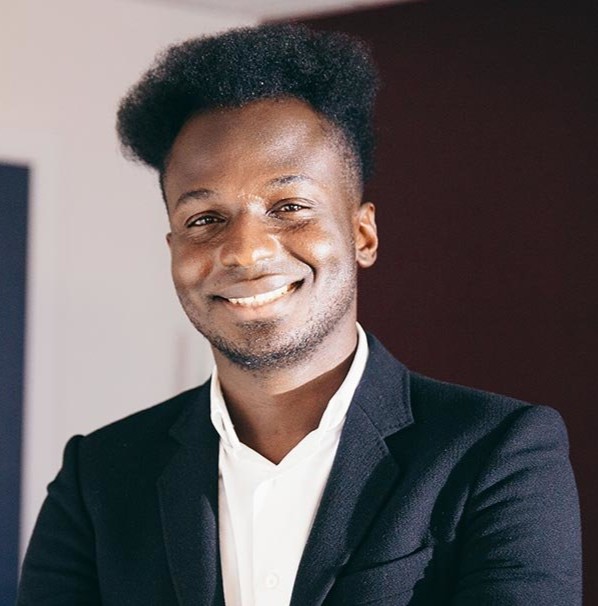
Ibrahim Cisse
Max Planck
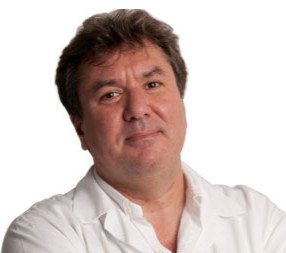
Marco Foiani
IFOM
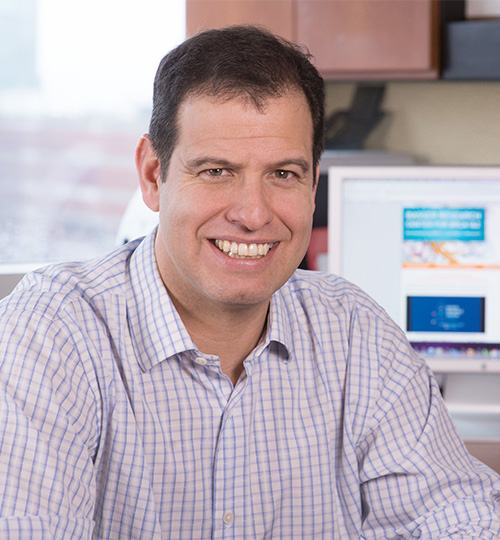
Roger Greenberg
University of Pennsylvania
Invited Speakers
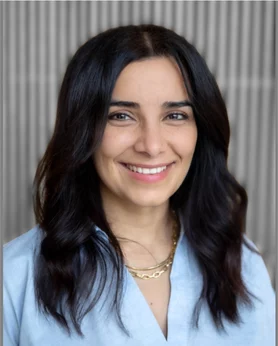
Jumana AlHaj Abed
Max Planck Institute

Effie Apostolou
Weill Cornell Medicine
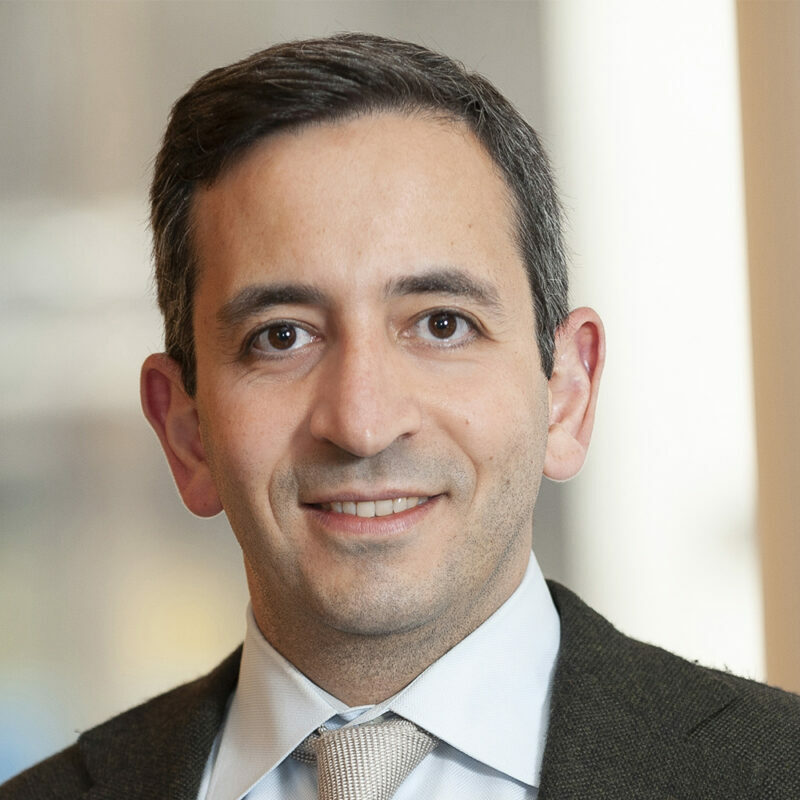
Samuel Bakhoum
Volastra Therapeutics / Geisel School of Medicine at Dartmouth
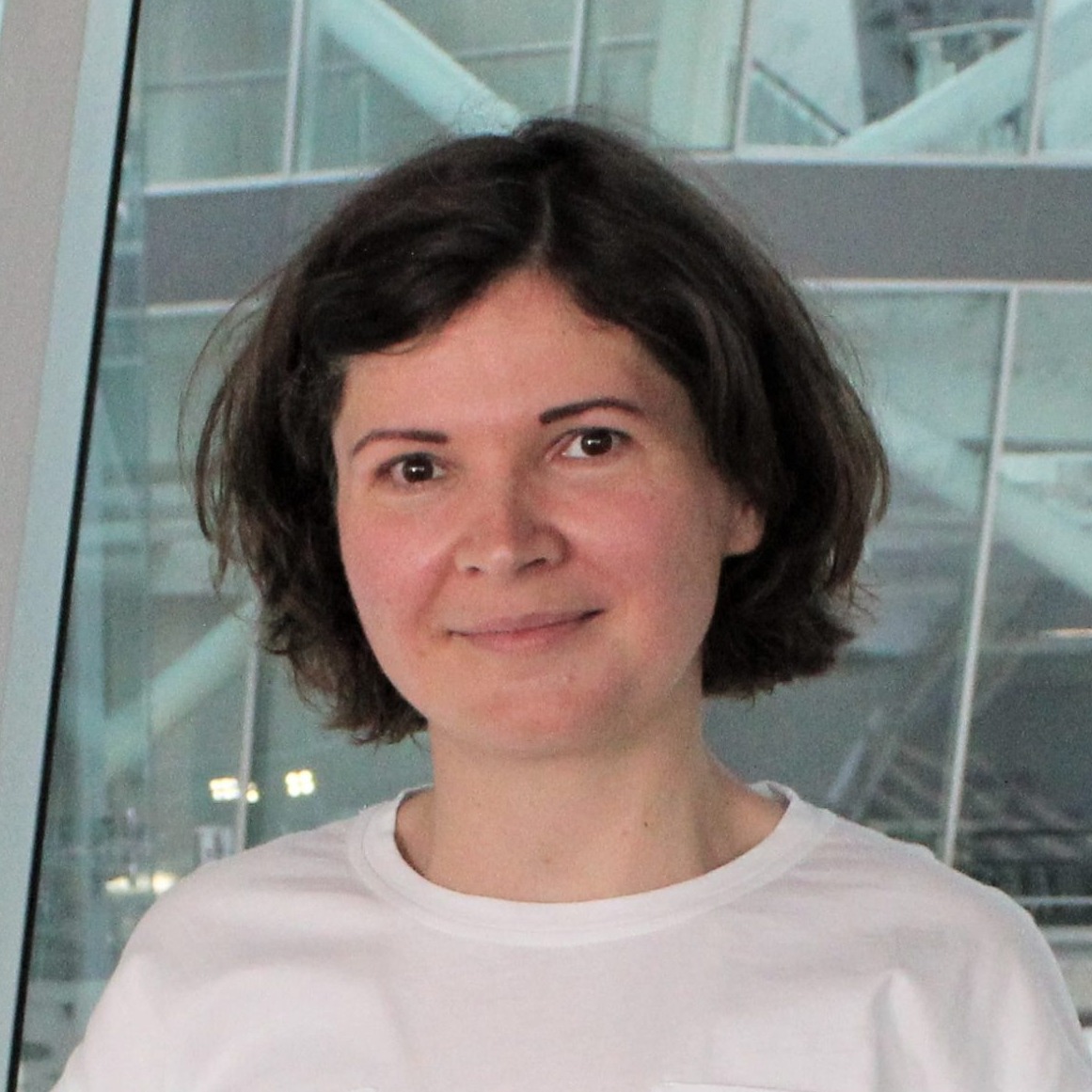
Magda Bienko
Human Technopole/Karolinska Institutet
Tony Cesare
Childrens's Medical Research Institute
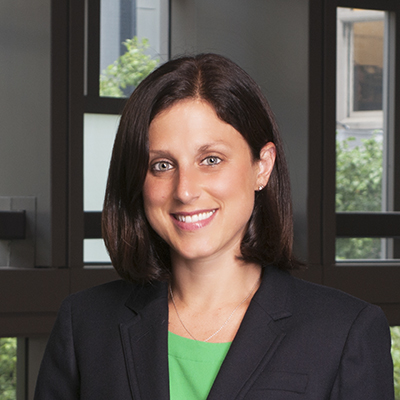
Jennifer Cremins
University of Pennsylvania

Emmanuelle Fabre
Institut Pasteur

Catherine Freudenreich
Tufts University
Taekjip Ha
Boston Children's Hospital
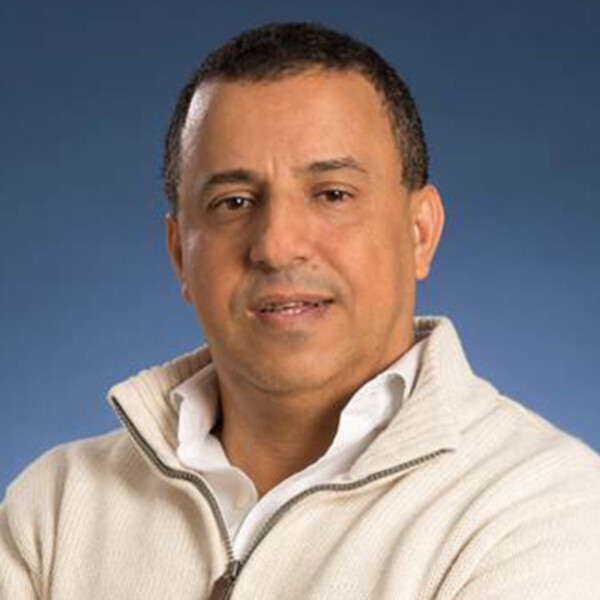
Razq Hakem
University of Toronto
Shane Harding
University of Toronto
Jop Kind
Hubrecht Institute

Christina Leslie
MSKCC
Anthony Leung
Johns Hopkins Medicine
Marina Lusic
University of Heidelberg
Peter Ly
UT Southwestern
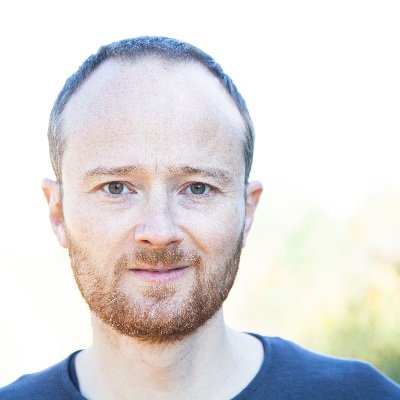
Philipp Maass
The Hospital for Sick Children
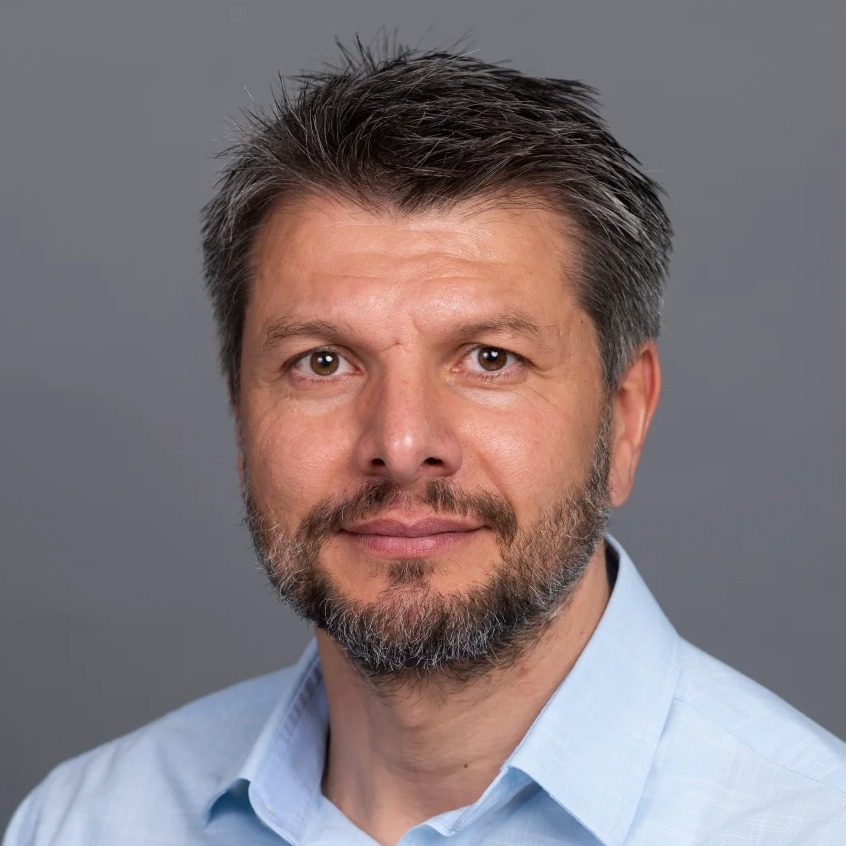
Kristijan Ramadan
Nanyang Technological University
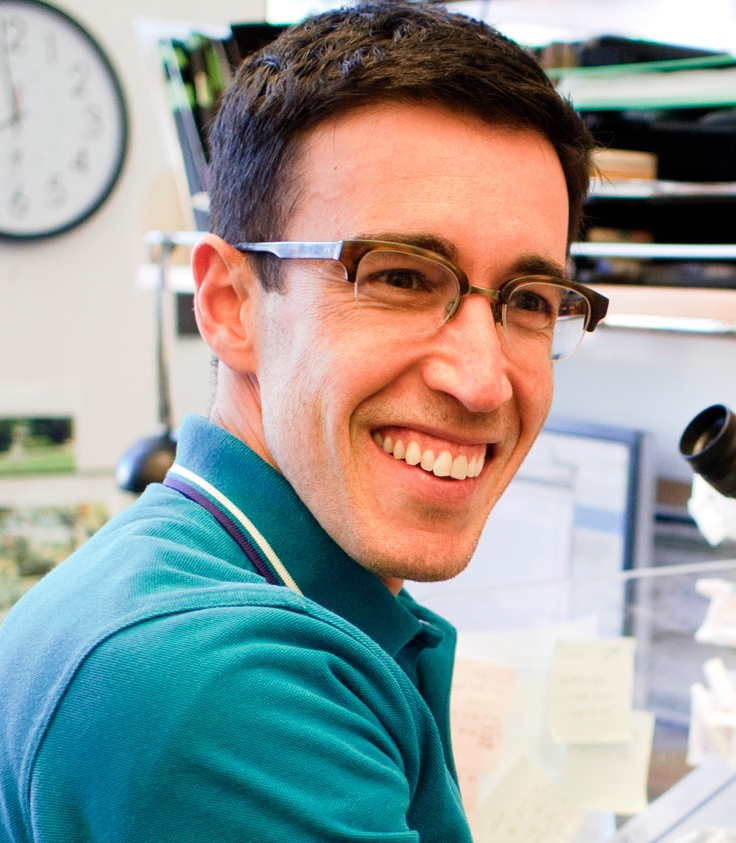
Ofer Rog
University of Utah
Evi Soutoglou
University of Sussex

Jessica Tyler
Weill Cornell Medical College
Programme
Grants
We're pleased to offer 4 x $250 registration grants on a first-come, first-served basis to Early Career Researchers. If you are a student, postdoc or junior faculty (within 3 years of your position), you are eligible.
Please email amy@fusion-conferences.com with the following information to apply;
-Name
-Job Title
-Your current research topic
-An abstract for a poster presentation slot (optional)
Supported by
Bronze Sponsors

Interested in sponsoring this conference?
Contact usVenue & Location
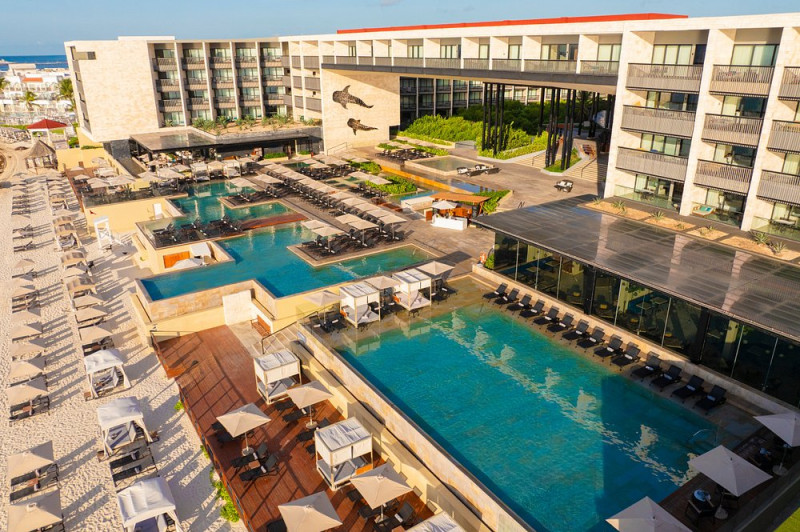
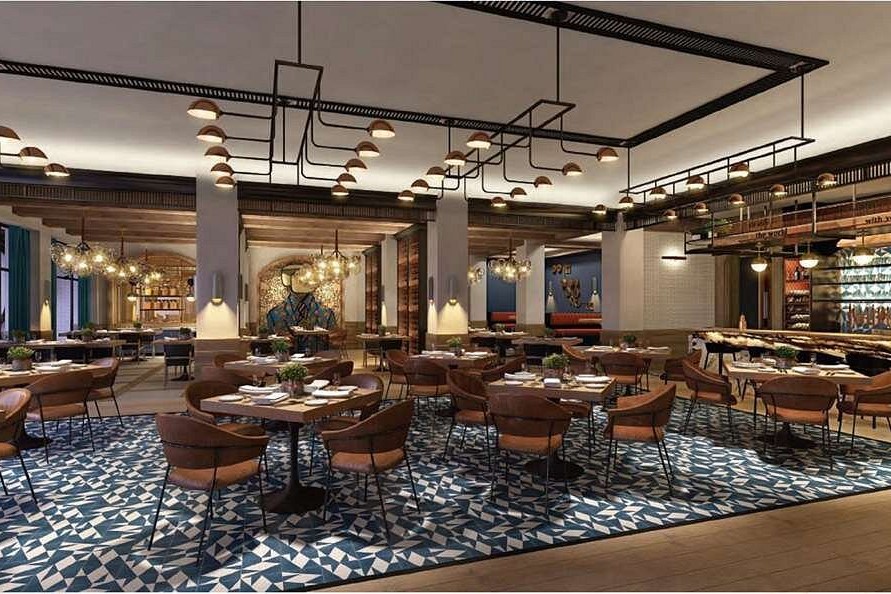
Hilton Tulum Riviera Maya
The Rivera Maya is a beautiful area of Mexico and has a very different feel to the busier, downtown energy of Cancun. Nestled just 8 miles from Tulum, Hilton Tulum Riviera Maya offers a serene and inspiring environment, ideal for fostering meaningful connections. This location is set back from the city’s hustle and bustle, allowing for a more peaceful and focused atmosphere where informal discussions and creative collaboration can thrive. With breathtaking views and refreshing ocean breezes providing a beautiful backdrop for open dialogue and fresh perspectives, it’s no wonder this destination is a favorite among our delegates!
Hotel facilities include;
- Complimentary Wi-Fi in guest rooms and throughout hotel and conference areas
- Pools
- Spa
- Fitness Center
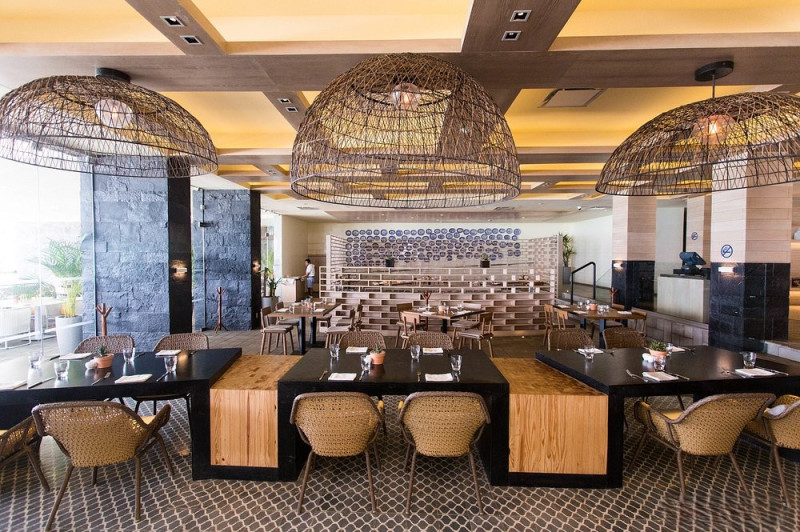
- 6 Restaurants
- Kids Club
- Beach





General Information
Conference Currency
US Dollar (USD)
Address
Carretera Cancun Tulum 307 Tulkal Chemuyil Tulum, 77774, Mexico
Nearest Airport
Cancun International Airport
Location
Stretching from the fishing village of Puerto Morelos to the biosphere reserve of Sian Ka'an, the Mayan Riviera offers an unforgettable Caribbean coastline experience with beautiful white-sand beaches and brilliant turquoise colored water. This world-renowned paradise is home to mangroves and lagoons, ancient Mayan cities, ecological reserves and adventure parks, and the world's second largest coral reef.
The hotel is located just a few miles from Tulum, a town on the Caribbean coastline of Mexico’s Yucatán Peninsula. It’s known for its spectacluar beaches and well-preserved ruins of an ancient Mayan port city. The area also offers incredible cavern diving opportunties and beautiful cenotes to explore. We would highly recommend joining one of the group activities to Tulum or the Gran Cenote - they will make for an unforgettable conference experience!
Gallery














If you are interested in this meeting but not yet ready to register, you can sign up for updates here and our team will keep you updated regarding deadline reminders and grant opportunities relating to this meeting only.
Bronze Sponsors
If you're interested in sponsoring this conference please contact us.
Conference Manager
Amy Johnson

Need some help? Chat to the Fusion team today
As a family run business, our dedication runs deep. We’re committed to each other and, even more so, to every attendee’s experience, delivering a level of care and passion that’s truly unmatched.