- Home
- Past Conferences
- Fibroblast Growth Factor Signalling in Development, Health & Disease Conference

Fibroblast Growth Factor Signalling in Development, Health & Disease Conference
A Perspective on Receptor Tyrosine Kinase Biology
07 May - 10 May 2026
St. Julian's, Malta
-
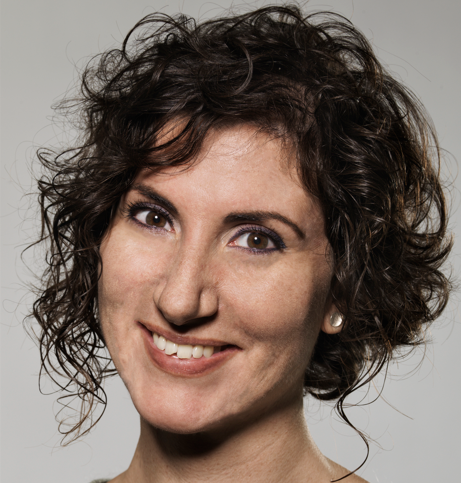
Chiara Francavilla
Technical University of Denmark / University of Manchester
-
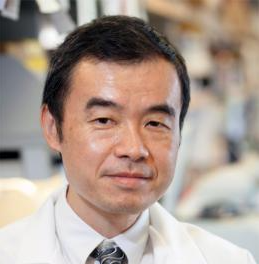
Xin Zhang
Columbia University
-
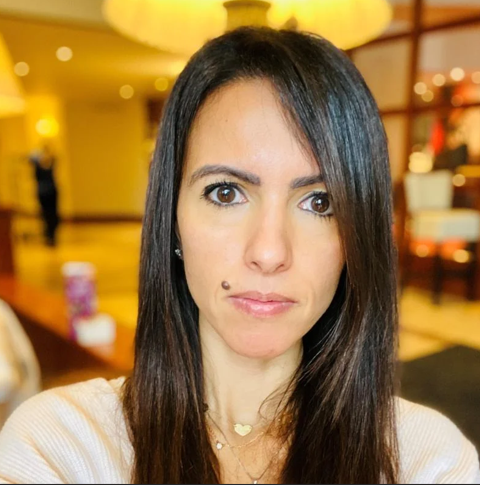
Athina-Myrto Chioni
Kingston University
-
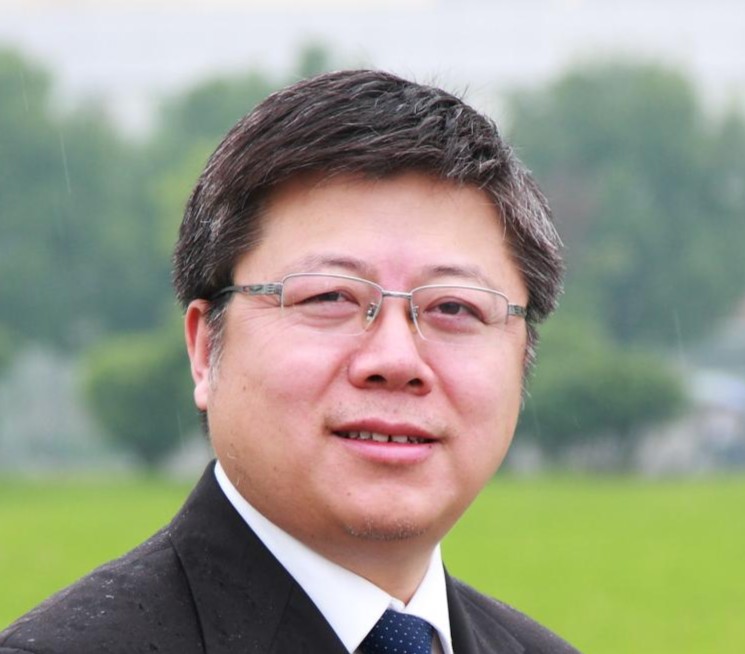
Xiaokun Li
Wenzhou Medical University
Early Bird - Expired • Talk Submission - Expired • Poster Submission - Expired • Registration & Payment Deadline - Expired
Report
The Fibroblast Growth Factor Signalling in Development, Health & Disease Conference focused on the role of Receptor Tyrosine Kinase Receptors (RTKs), in particular Fibroblast Growth Factor Receptor (FGFR) and Epidermal Growth Factor Receptor (EGFR), in development, health, and diseases including genetic and metabolic diseases and cancer. Topics ranging from molecular mechanisms underlying RTK functions to genotype-phenotype regulation and translational implications were discussed.
The conference sessions were structured to cover various aspects of FGFR signalling in development, health, and disease:
Session I: Frontiers in FGF signalling regulation
This session focused on three different, but complementary aspects of signalling regulation: structural, cell-cell communication, trafficking. Three keynote speakers presented unpublished work which generated excellent discussion.
Session II: New technologies to study cell signalling
This session discussed advancements in biophysics, omics and imaging methods to study how cell signalling is regulated and featured one short talk and three invited speakers of which two were outside the FGFR field thus showing the breath of topics covered by this conference.
Session III: FGF signalling in tissue regeneration and stem cells
This session presented the work of two established and two ECRs on how FGFR signalling regulates important cellular functions in several organs.
Session IV: Signalling underlying genetic- and age-related diseases
This session featured FGF signalling dysregulation in genetic diseases and introduced implications for therapy.
Session V: FGF signalling in development and adult homeostasis
This session, led by two established and three ECRs, focused on the role of FGF during development of mouse and humans and in the adults.
Session VI: FGF signalling in metabolic diseases
This session discussed how several members of the FGF family play crucial role in metabolism dn how FGF signaling dysregulation is associated with metabolic diseases including obesity and diabetes or liver diseases.
Session VII: Molecular mechanism of FGF signalling in cancer and inflammation
This session presented unpublished data on the role of FGF and EGF in cancer and was led by three invited speakers of which two were new to the field, and one ECR.
Session VIII: Targeting the FGF-FGFR axis in translational research
This session focused on multiple diseases where targeting FGF or FGFR may be beneficial for patients ranging from pulmonary fibrosis, achondroplasia, and cancer.
Session IX: Past, present, and future of cell signalling
The conference concluded with three talks discussing novel findings related to the role of FGF in inflammation and fibrosis, and a short talk on advanced imaging methods to study FGFR at the molecular level. Finally, a panel session openly discussed the challenges of signaling research including the use of AI, how to better collaborate to advance the field, and what are the key questions for future research.
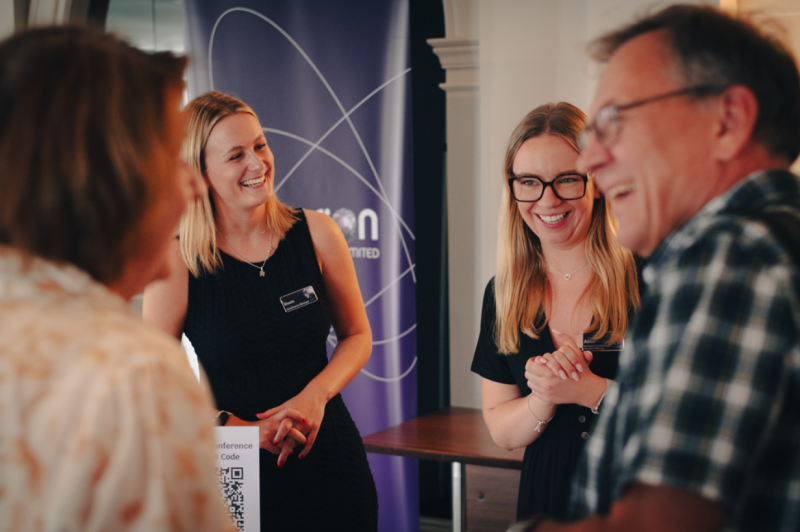
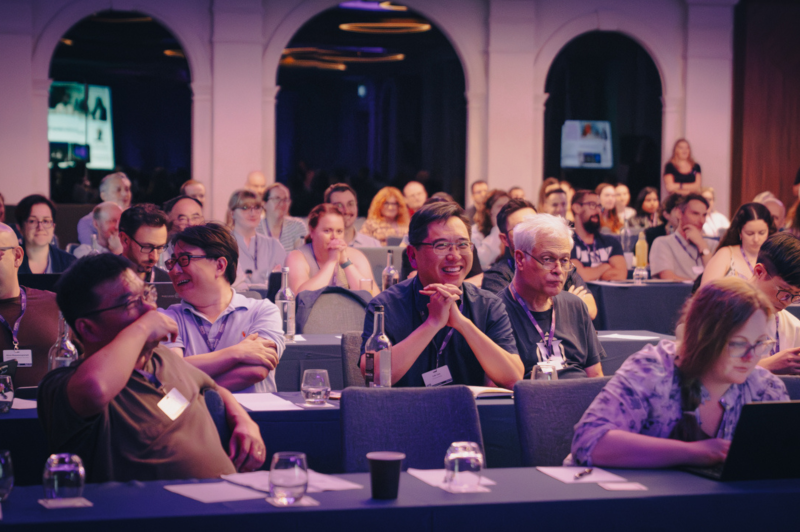
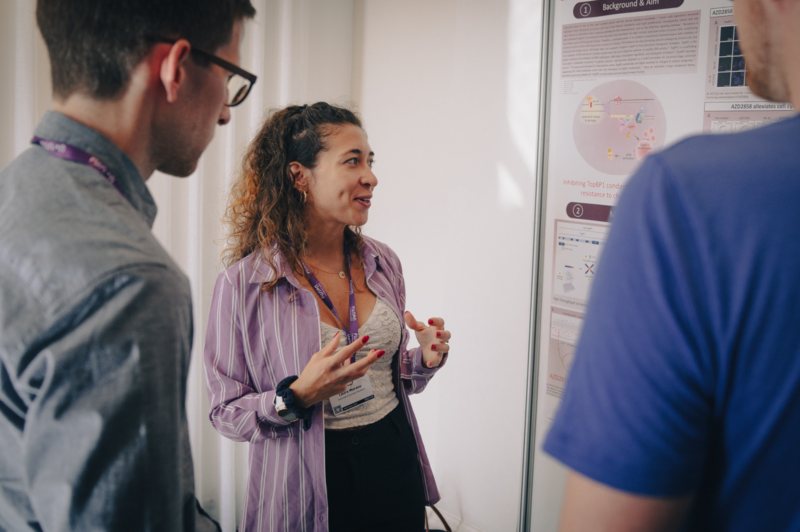
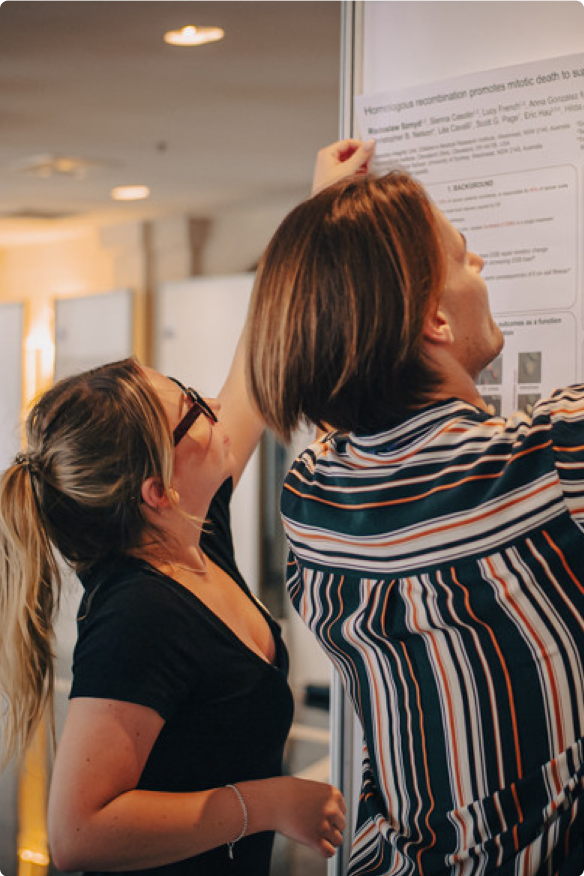
The conference featured a mix of presentations from world-renowned invited speakers and short talks from participants, who had submitted outstanding abstracts, including many early career researchers (ECRs). A highly interactive poster session further facilitated the exchange of knowledge and ideas, fostering new collaborations across disciplines and career stages. Overall, the poster presentations, panel discussions, and informal networking sessions created such a stimulating and supportive environment for exchanging ideas and building new collaborations across the FGF community. The strength of the poster presentations was reflected in the recognition of seven outstanding or excellent posters, with several prizes awarded to ECRs. In addition, a special participation prize was awarded to a postdoctoral researcher who stood out for asking insightful questions and actively engaging with speakers and attended throughout the conference, demonstrating exceptional curiosity, enthusiasm and collegiality.
The scientific organizers express their gratitude for the generous support from various sponsoring companies, and greatly appreciate the outstanding organization and support provided by the Fusion Conference team.
Synopsis
We are pleased to announce that we have extended our registration & poster submission deadline to 16th April. Please note that spaces are subject to hotel availability, and the deadline may close earlier if rooms become fully booked. We therefore encourage you to register as soon as possible to secure your place.
Receptor Tyrosine Kinases (RTKs) are cell-surface receptors that, upon ligand binding, regulate cell-to-cell communication during embryonic development and in adult life. Among RTKs, the twenty-two Fibroblast Growth Factors (FGFs) and five FGF Receptors play crucial roles in proliferation, migration, differentiation, and metabolism. Aberrant FGF signalling underlies genetic and metabolic disorders, age-related diseases, and cancer. Advances in structural biology, omics technologies, and disease models as well as very promising clinical trials have greatly facilitated our understanding of FGF functions. However, many outstanding questions remain unanswered, including how FGFs interact with other signaling pathways to regulate the specificity of cellular responses in development, health, and disease.
Conference Goals:
- Bring together leaders in academia, clinical medicine, and industry with an interest in FGF and other signalling pathways to foster synergistic collaborations.
- Promote cross-fertilization of new ideas on how RTK signalling regulates pathophysiology.
- Share innovations that are impacting basic and translational signalling research.
Key Sessions
- Frontiers in FGF Signalling Regulation
- New Technologies to Study Cell Signalling
- FGF Signalling in Development and Adult Homeostasis
- Signalling Underlying FGF-driven Genetic and Age-related Diseases
- FGF Signalling in Tissue Regeneration and Stem Cells
- FGF Signalling in Metabolic Diseases
- Molecular Mechanisms of FGF Signalling in Cancer and Inflammation
- Targeting the FGF-FGFR Axis in Translational Research
- Past, Present and Future of Cell Signalling
Confirmed Invited Speakers
Saverio Bellusci (Justus Liebig University, Giessen)
INNOVATIVE STRATEGY TO IDENTIFY ANTIFIBROTIC AND PRO-REGENERATIVE DRUGS TO TREAT CHRONIC LUNG DISEASES
Pier Paolo Di Fiore (University of Milan)
A BOTTOM-UP DYNAMIC MODEL OF EGFR FUNCTION INTEGRATING RECEPTOR ACTIVATION, TRAFFICKING, SIGNALING, AND SIGNAL ATTENUATION
Sandra Goetze (ETH Zürich)
DECIPHERING CELL-SURFACE SIGNALLNG ARCHITECTURE
Mohammad K Hajihosseini (University of East Anglia)
ROLE OF FGFS IN ESTABLISHMENT OF BRAIN'S HUNGER CIRCUITS
Zhifeng Huang (Wenzhou Medical Institute)
Marja Hurley (University of Connecticut)
FGF RECEPTOR SIGNALING IN OSTEOARTHRITIS AND CHRONIC PAIN PHENOTYPES IN SICKLE CELL DISEASE MICE
Jos Jonkers (Netherlands Cancer Institute)
C-TERMINAL CONTROL OF FGFR2 AND FGFR3 ONCOGENICITY
John Ladbury (University of Leeds)
ROLE OF LIQUID-LIQUID PHASE SEPARATION IN FIBROBLAST GROWTH FACTOR RECEPTOR SIGNALLING
Laurence Legeai-Mallet (INSERM)
WHAT IS NEW IN FGFR-RELATED OSTEOCHONDRODYSPLASIA
Amy Merril-Brugger (University of Southern California)
FGF SIGNALING DRIVES MISGUIDED NEURAL CREST MIGRATION IN CRANIOSYNOSTOSIS
Moosa Mohammadi (Wenzhou Medical Institute)
MOLECULAR INSIGHTS INTO FGF HORMONE TARGET ORGAN SELECTIVITY
David Ornitz (Washington University)
FGF18 COORDINATES MESENCHYMAL CELL-GROWTH AND DIFFERENTIATION IN THE NEONATAL LUNG.
Olivier Pertz (University of Bern)
SPATIOTEMPORAL ANTAGONISM BETWEEN FGF2/ERK AND BMP/SMAD1 SIGNALLING DEFINES EMBRYONIC FATE PATTERNING IN HUMAN STEM CELL COLONIES
Sougata Roy (University of Maryland)
DIRECTED GROWTH FACTOR RELEASE: ENZYMATIC CONTROL OF CYTONEME-MEDIATED FGF COMMUNICATION
Jarrad Scarlett (Seattle Children’s Hospital/University of Washington)
ROLE OF BRAIN FIBROBLAST GROWTH FACTOR 1 SIGNALING IN THE REGULATION OF ENERGY HOMEOSTASIS
Maria Sibilia (University of Vienna)
DISSECTING EGFR AND RAS SIGNALING PATHWAYS IN COLORECTAL CANCER
Jacqueline Starrett (Tyra Biosciences)
A SELECTIVE FGFR3 INHIBITOR IN DEVELOPMENT FOR FGFR3-DRIVEN CHONDRODYSPLASIA
Abigail Tucker (King’s College, London)
THE ROLE OF FGFS IN PATTERNING THE TEMPOROMANDIBULAR JOINT DURING DEVELOPMENT AND GROWTH
Elizabeth Wellberg (University of Oklahoma)
FGF SIGNALING ALTERS FIBROBLAST ECM SYNTHESIS TO PERMIT INVASIVE BREAST CANCER PROGRESSION
Sabine Werner (ETH Zürich)
CONTROL OF SKIN INFLAMMATION BY FIBROBLAST GROWTH FACTOR SIGNALING IN EPITHELIAL CELLS: MECHANISMS AND THERAPEUTIC CONSEQUENCES
Jin-San Zhang (Wenzhou Medical University)
DUAL MECHANISMS OF FGF10–FGFR2B SIGNALING IN PULMONARY FIBROSIS DEVELOPMENT AND RESOLUTION
Target Audience
This meeting will unite established investigators, colleagues new to the field, and early career scientists to discuss game-changing mechanistic and translational advances in cell signalling with the goal of understanding its regulatory mechanisms and devising new therapeutic tools.
Confirmed Speakers
Chairs
Chiara Francavilla
Technical University of Denmark / University of Manchester
Xin Zhang
Columbia University
Athina-Myrto Chioni
Kingston University
Xiaokun Li
Wenzhou Medical University
Invited Speakers
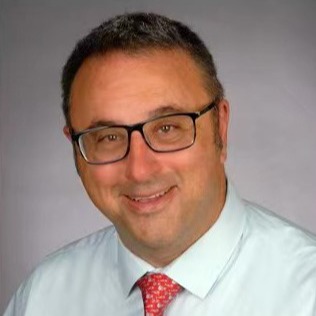
Saverio Bellusci
Justus Liebig University, Giessen
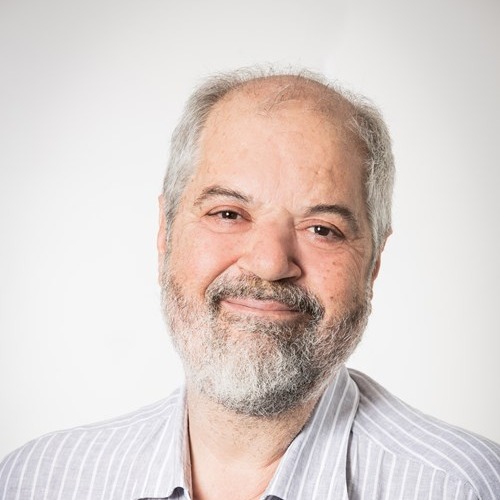
Pier Paolo Di Fiore
University of Milan

Sandra Goetze
ETH Zürich
Mohammad K Hajihosseini
University of East Anglia
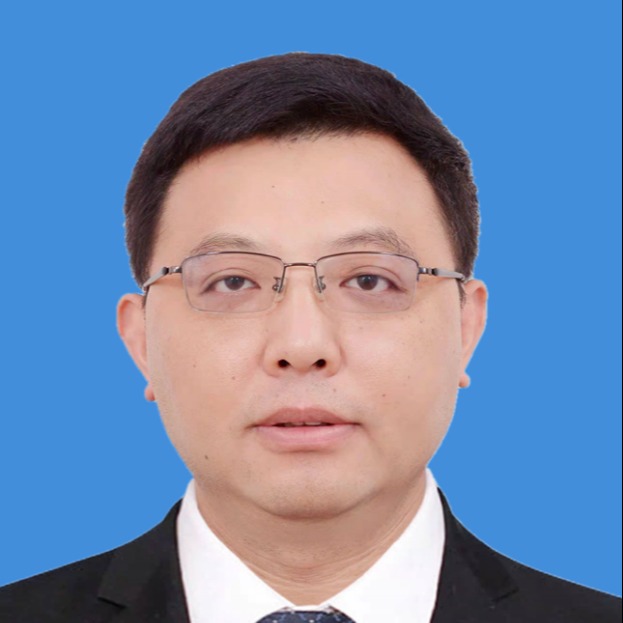
Zhifeng Huang
Wenzhou Medical Institute
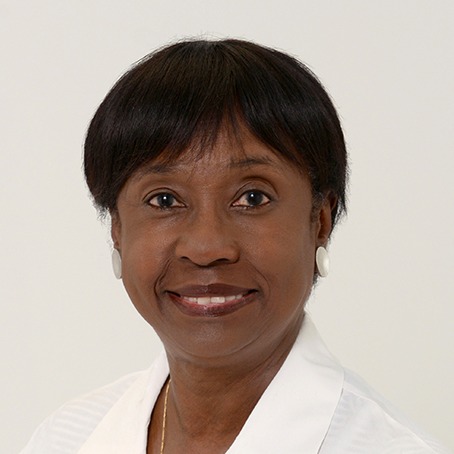
Marja Hurley
University of Connecticut

Jos Jonkers
Netherlands Cancer Institute
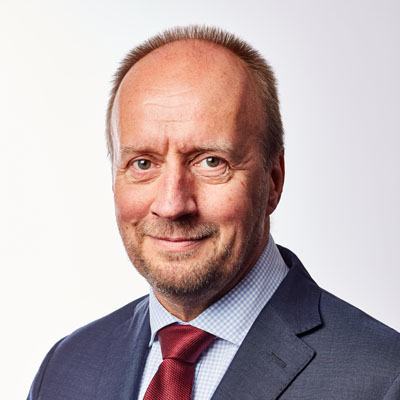
John Ladbury
University of Leeds

Laurence Legeai-Mallet
INSERM

Amy Merril-Brugger
University of Southern California
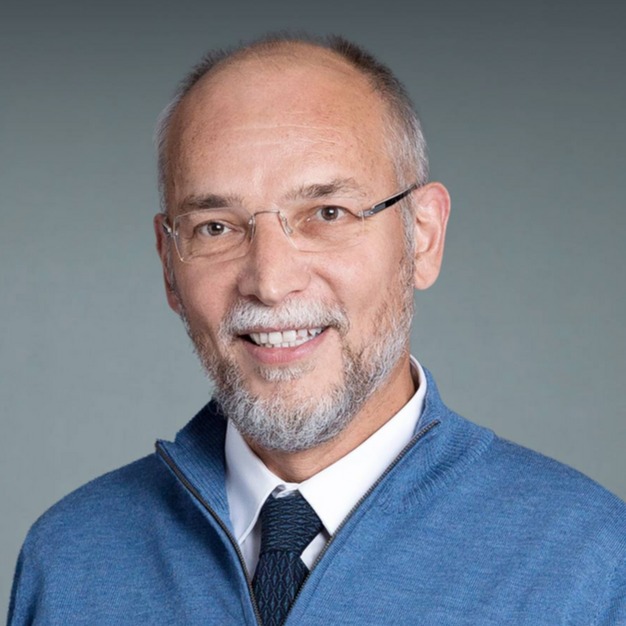
Moosa Mohammadi
Wenzhou Medical Institute

David Ornitz
Washington University
Olivier Pertz
University of Bern

Sougata Roy
University of Maryland

Jarrad Scarlett
Seattle Children’s Hospital/University of Washington

Maria Sibilia
University of Vienna

Jacqueline Starrett
Tyra Biosciences

Abigail Tucker
King’s College, London

Elizabeth Wellberg
University of Oklahoma
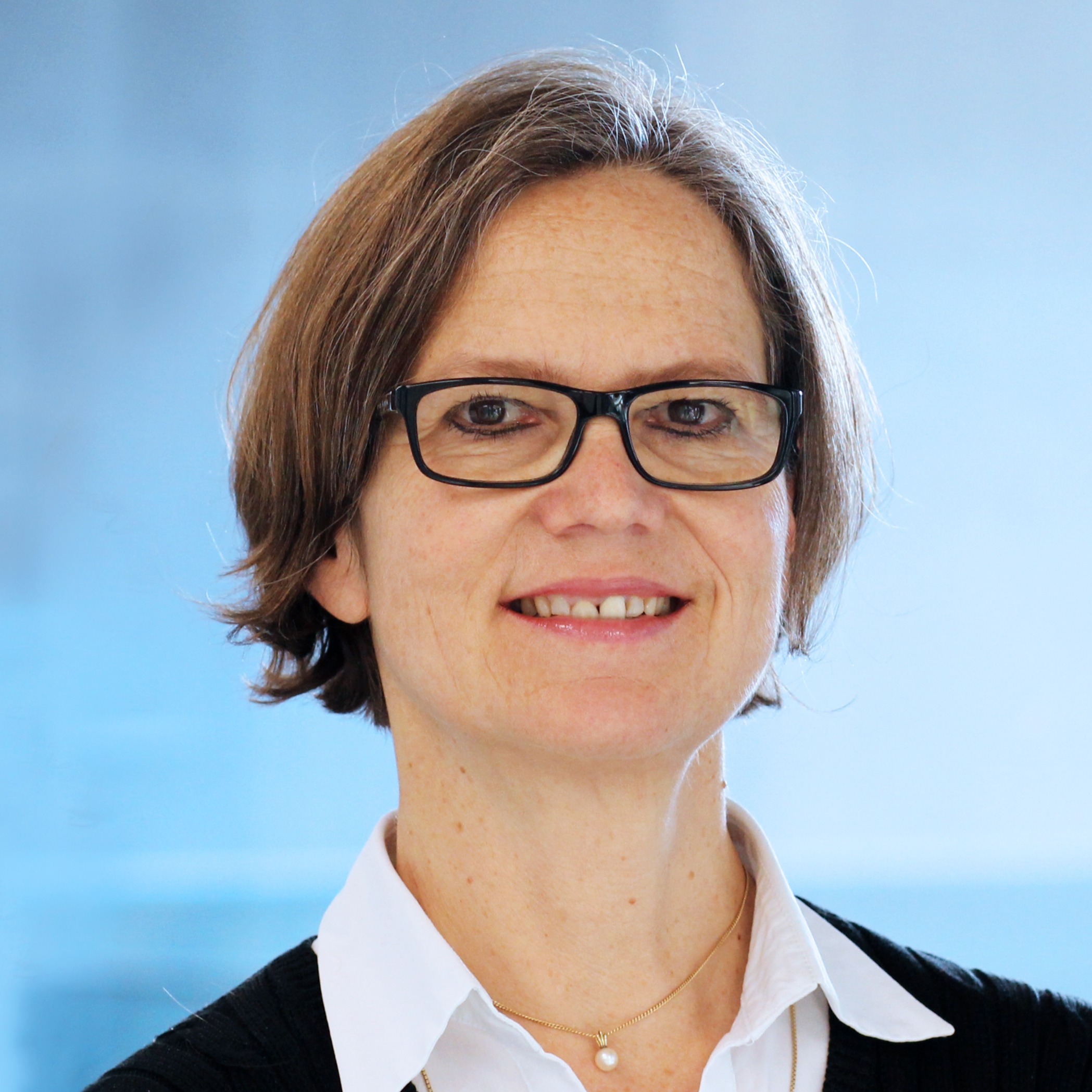
Sabine Werner
ETH Zürich
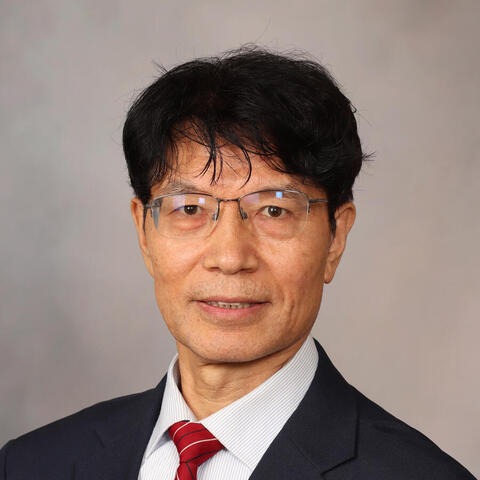
Jin-San Zhang
Wenzhou Medical University
Programme
Please note the below programme is an initial draft and is subject to change - the latest version will always be uploaded here, so check in later for any updates.
Grants
We are pleased to announce we have a limited amount of registration grants available to help defray the meeting costs for those wishing to attend.
Grants can be applied to either a 'Single' or 'Shared' registration ticket. To apply, please email Alice. Your application should include:
• Name
• Organisation
• Career level
Given the limited availability, please submit your application as soon as possible so we can secure your spot.
Supported by
Diamond Sponsors


Silver Sponsors

Bronze Sponsors

Media Partners


Interested in sponsoring this conference?
Contact usVenue & Location
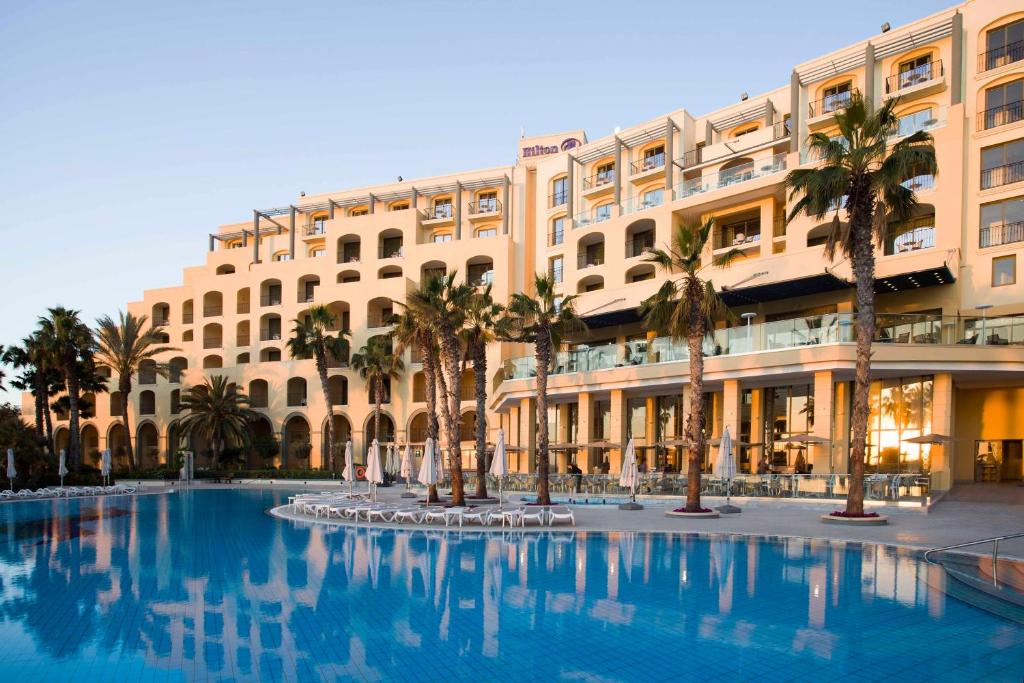
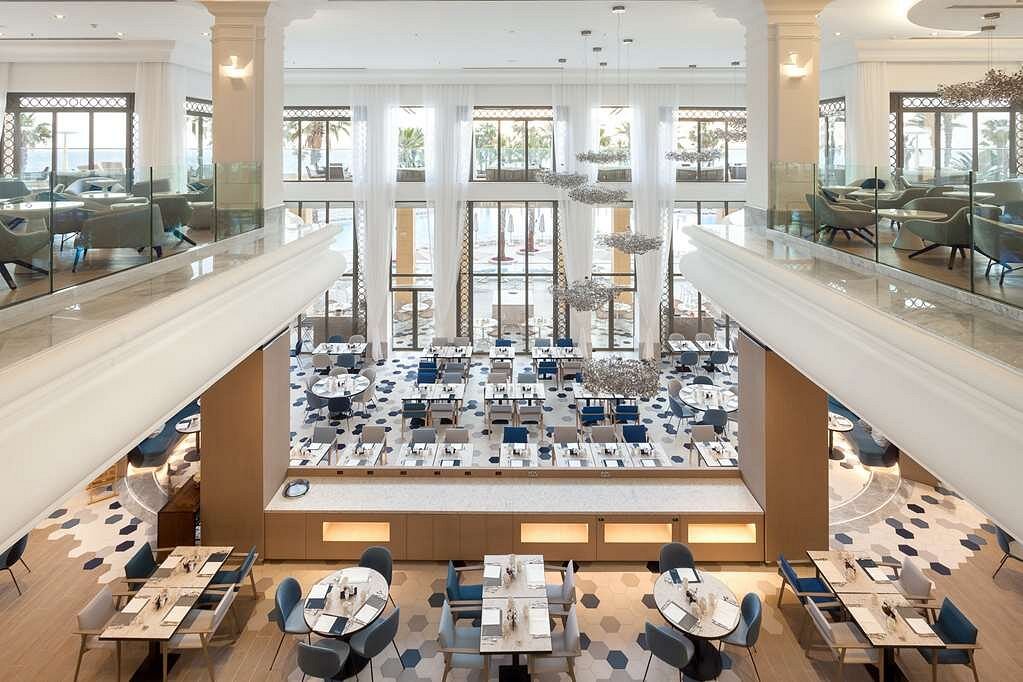
Hilton Malta
We are excited to be heading back to St. Julian’s as our Mediterranean destination for May 2026!
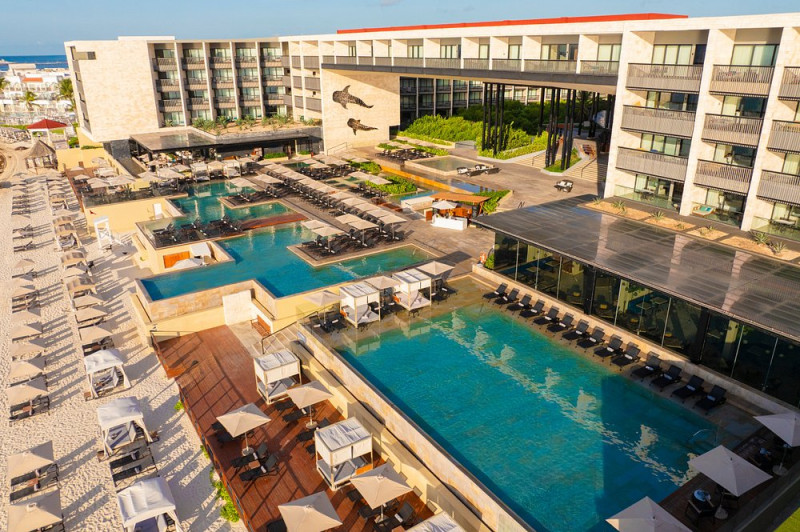
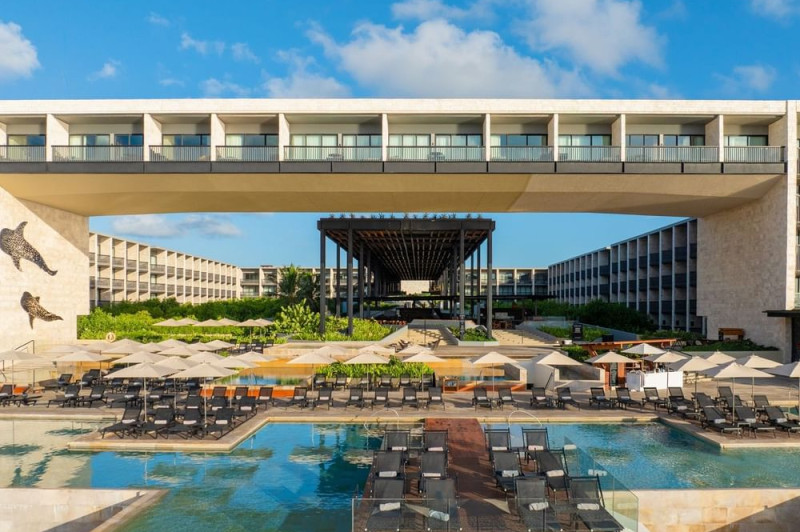
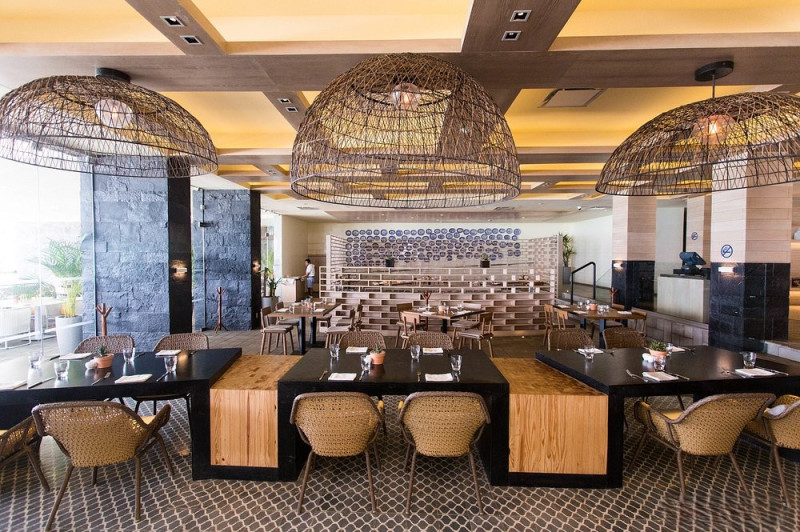
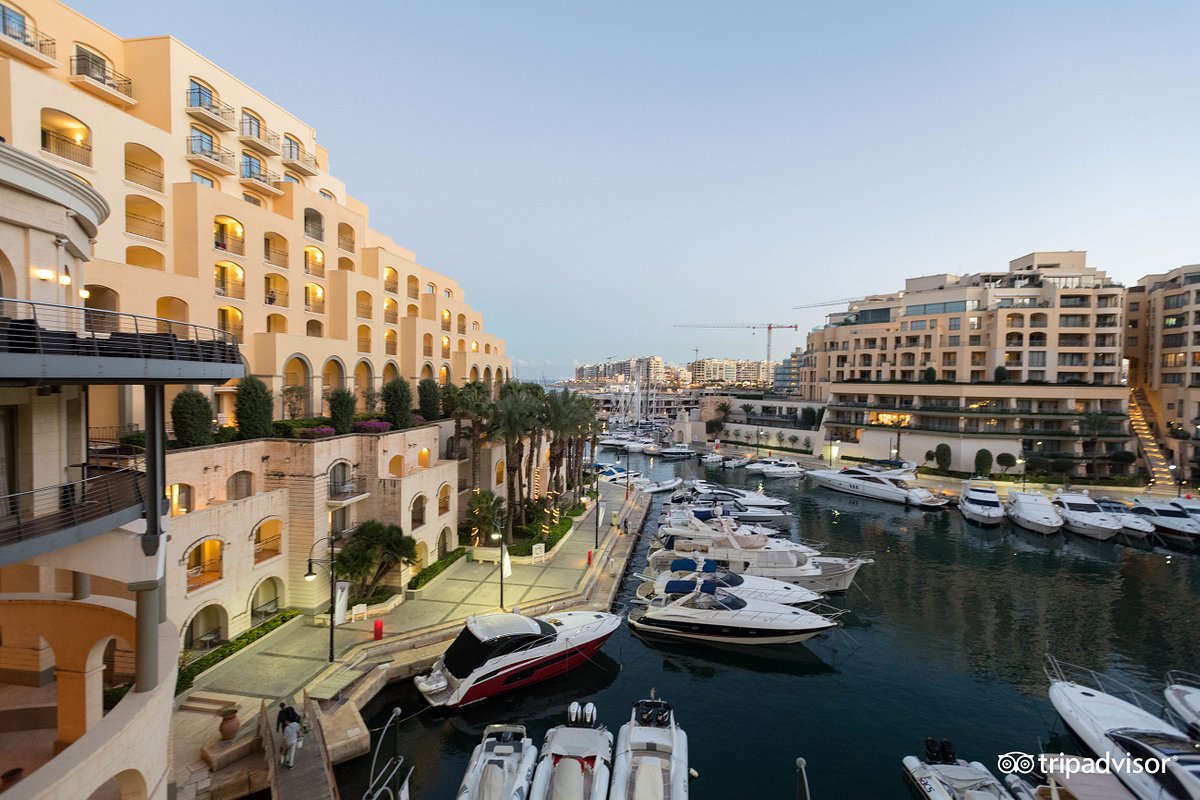
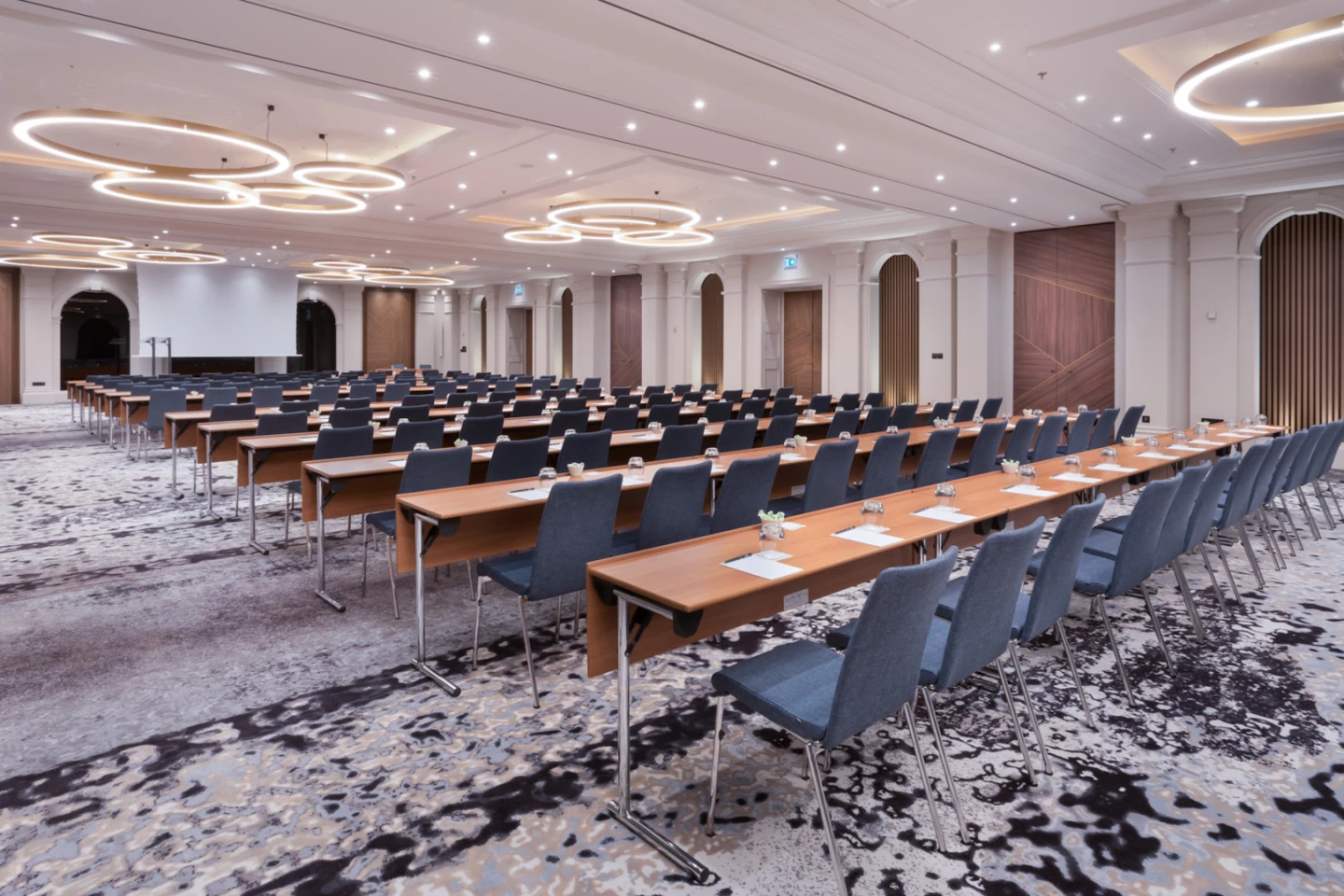
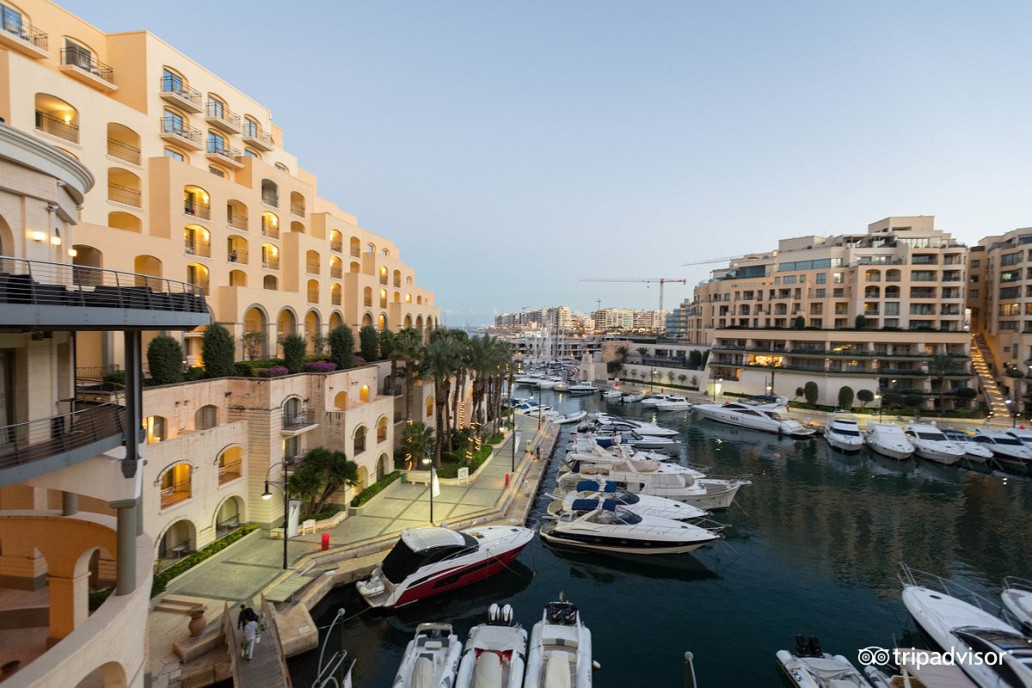
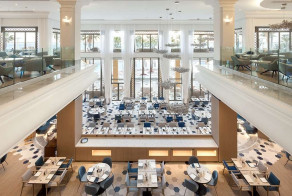
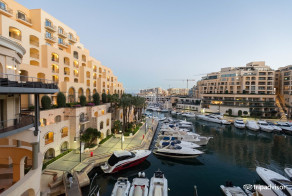
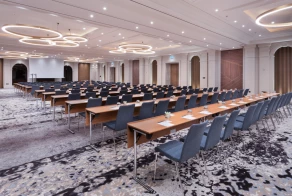
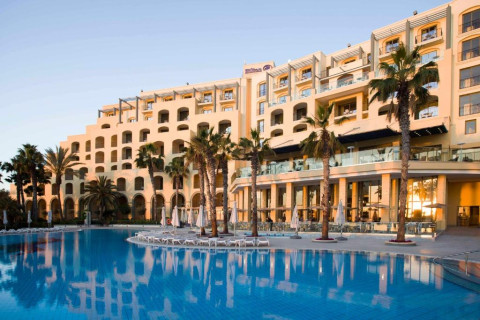
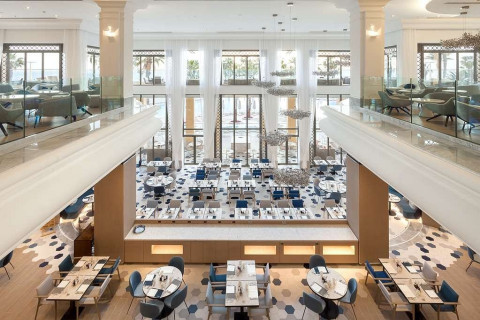
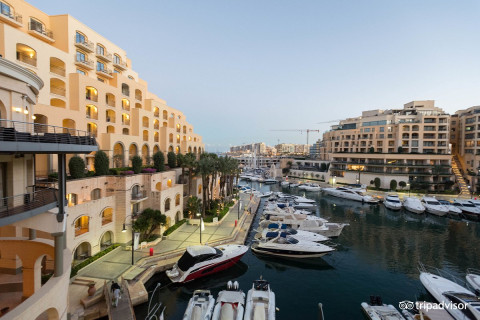
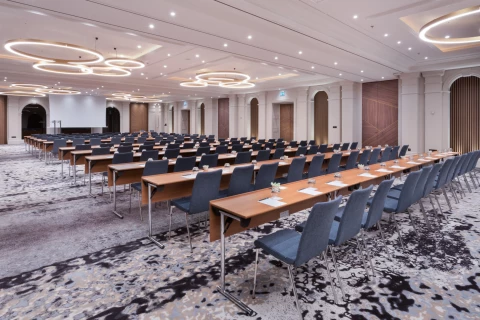
Located only 15 minutes from the ancient capital city of Valletta, a UNESCO World Heritage Site, Hilton Malta is an oceanfront resort overlooking the stunning Portomaso Marina in St. Julian’s. With modern amenities, scenic views, and a tranquil atmosphere, it offers the perfect balance between professional functionality and easy access to local culture and history.
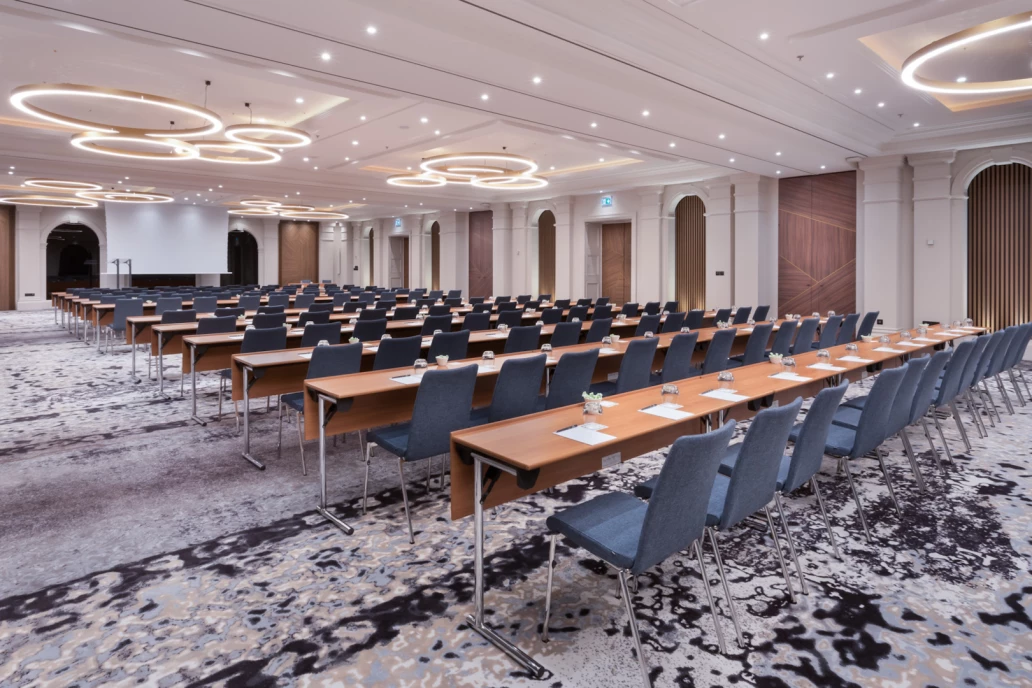
This is not an all-inclusive property, but our registration packages include a full food and beverage package during the conference period. Breakfast remains at leisure, however, the more intimate hotel setting allows us to host group lunches and dinners, providing an ideal environment for focused discussions, so attendees can continue to network and brainstorm outside of planned sessions.
For those who wish to stay extra nights either side of the conference, rates will be bed and breakfast only, so attendees have the freedom to explore local dining experiences and authentic cuisine.
Hotel facilities include;
• Complimentary Wi-Fi in guest rooms and throughout hotel and conference areas
• 4 Seasonal Outdoor Pools
• Spa with Indoor Swimming Pool
• Fitness Center and Tennis Court
• 3 Restaurants
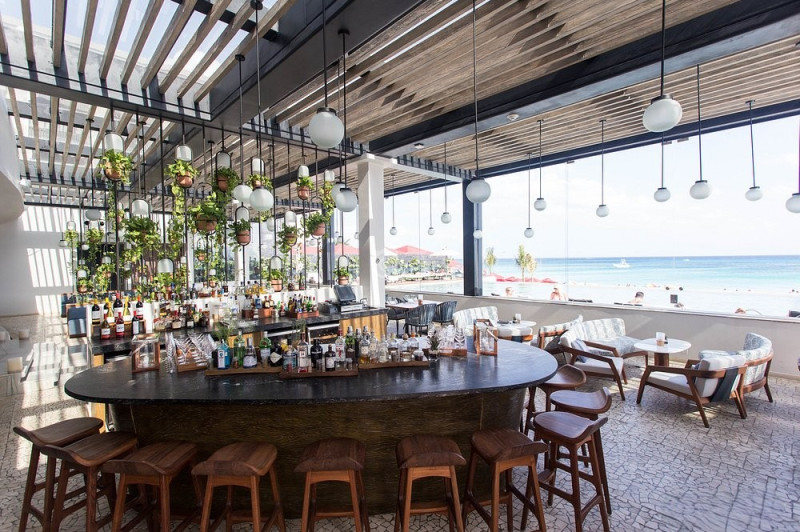
• 2 Bars


General Information
Conference Currency
Euro (EUR)
Address
Vjal Portomaso St Julian's PTM, 01, Malta
Nearest Airport
Malta International Airport
Location
The Hilton Malta overlooks the stunning Portomaso Marina in St. Julian’s. This beautiful hotel is located only 15 minutes from the ancient capital city of Valletta, a UNESCO World Heritage Site.
Gallery

If you are interested in this meeting but not yet ready to register, you can sign up for updates here and our team will keep you updated regarding deadline reminders and grant opportunities relating to this meeting only.
Diamond Sponsors
Silver Sponsors
Bronze Sponsors
Media Partners
If you're interested in sponsoring this conference please contact us.
Conference Manager

Alice Tebbit

Need some help? Chat to the Fusion team today
As a family run business, our dedication runs deep. We’re committed to each other and, even more so, to every attendee’s experience, delivering a level of care and passion that’s truly unmatched.