- Home
- Past Conferences
- 4th Ubiquitin Function in Health & Disease Conference
4th Ubiquitin Function in Health & Disease Conference
#UbiquitinFunction
07 Jul - 10 Jul 2026
Lisbon, Portugal
-
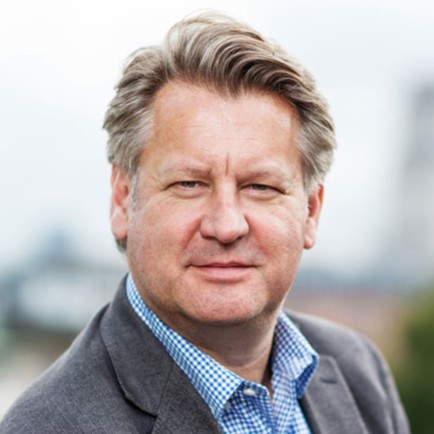
Henning Walczak
University of Cologne / University College London
-
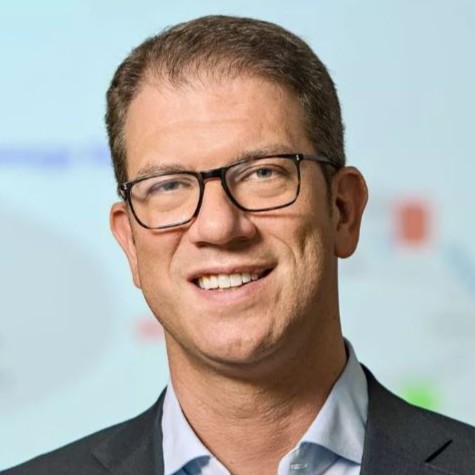
Florian Bassermann
Technical University of Munich
-
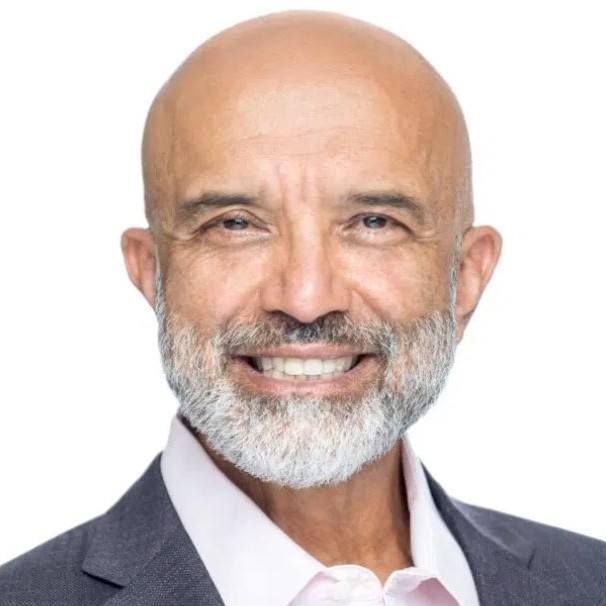
Vishva M. Dixit, M.D.
Early Bird - Expired • Talk Submission - Expired • Poster Submission - Expired • Registration & Payment Deadline - Expired
Synopsis
Our understanding of the ubiquitin system is at a transformative moment – we are beginning to unravel its function in connection to its physiological roles with profound implications for many severe diseases. Initially discovered as a tag of cytosolic proteins for proteasomal degradation, the ubiquitin system is now recognized as a master regulator of cellular signaling, well beyond protein turnover. Ubiquitination and its reversal by deubiquitination provide dynamic control over a vast array of signaling pathways, enabling cells to finely tune the intensity and duration of signaling responses.
While some signaling roles are indeed related to ubiquitin’s degradative capacity – such as the activation of the transcriptional master regulator of inflammation, NF-κB, via degradation of its inhibitor IκB – most signaling-related functions of the ubiquitin system depend on non-degradative ubiquitin chains. These chains act as scaffolds, enabling the assembly of highly specific protein complexes that first initiate, then propagate and, finally, terminate crucial pathways of cellular signaling.
This conference shifts the spotlight from structural details to biological function. Together, we shall explore how the ubiquitin system orchestrates signal transduction under physiological conditions, what happens when this regulation breaks down and how this knowledge can be harnessed to develop a new generation of exquisitely specific and highly effective medicines. From cancer and chronic inflammation to autoimmune and neurodegenerative diseases, the therapeutic potential of targeting the ubiquitin system is near endless.
We envision this meeting as the premier forum for showcasing the most innovative and translational research in ubiquitin biology. It will serve as a catalyst for discussions on emerging therapeutic strategies and as a hub for collaboration across academia and industry.
A message from our Chairs... "The field of ubiquitin biology is one of the most vibrant and rapidly advancing areas in biomedicine. The discovery that powerful immunomodulatory drugs (IMiDs), including thalidomide and its analogues lenalidomide and pomalidomide, exert their effects by engaging ubiquitin-mediated degradation of critical disease-relevant factors has galvanized the field. Inspired by this mechanism, the development of PROTACs (proteolysis-targeting chimeras) is now a central focus in drug discovery across the pharmaceutical industry, aiming to eliminate targets previously regarded as ‘undruggable’.
The impact of the field of ubiquitin biology has been and still is profound. This is perhaps best exemplified by the award of several Nobel Prizes for work elucidating how the ubiquitin system governs proteasomal degradation, the cell cycle and the cellular response to hypoxia.
Together, we shall explore how ubiquitin orchestrates the signaling circuitry of life – and how its dysregulation drives the pathogenesis of cancer, inflammatory disorders and neurodegeneration. The future of our field shines brighter than ever before. Join us in Portugal for what promises to be a truly exciting conference."
Confirmed Invited Speakers
Neal Alto (UT Southwestern)
THE ROLE OF UBIQUITIN IN HOST-PATHOGEN INTERACTIONS
Eric Baehrecke (UMass Chan Medical School)
COORDINATED REGULATION OF UBIQUITIN-DEPENDENT AND -INDEPENDENT CLEARANCE OF ORGANELLES
David Beck (NYU School of Medicine)
VEXAS SYNDROME, UBA1 AND AUTOINFLAMMATION
Alessio Ciulli (University of Dundee)
TARGETED PROTEIN DEGRADATION: STRUCTURE AND MECHANISM
Ivan Dikic (Goethe University Frankfurt)
UBIQUITIN-DEPENDENT METALLOPROTEASE SPRTN PREVENTS PREMATURE AGING AND EMBRYONIC LETHALITY
Paul Elliott (University of Oxford)
SPECIFICITY WITHIN THE UB/UBL CONJUGATION PATHWAYS
Adolfo Garcia-Sastre (Icahn School of Medicine at Mount Sinai)
IMPACT OF UFMylation DURING INFLUENZA VIRUS INFECTION
Alexander Gitlin (Memorial Sloan Kettering Cancer Center)
INDEPENDENT MECHANISMS OF INFLAMMATION AND MYELOID BIAS IN VEXAS SYNDROME
Sudan He (Chinese Academy of Medical Sciences)
RIPK1 UBIQUITINATION LICENSES TNF-INDUCED CELL DEATH
Stefan Knapp (University of Frankfurt)
STREAMLINING THE DEVELOPMENT OF NEXT GENERATION PROTACs
Elke Krüger (University of Greifswald)
THE AMBIGUOUS ROLE OF PROTEASOME HETEROGENEITY: LESSONS LEARNT FROM RARE PROTEASOMOPATHIES
Yogesh Kulathu (University of Dundee)
Gianmaria Liccardi (University of Cologne)
PERTURBED LUBAC–DUB INTERACTION: A PATHOPHYSIOLOGICAL SURPRISE IN TWO ACTS
Sonja Lorenz (MPI Göttingen)
UNDERSTANDING AND MANIPULATING UBIQUITIN LIGASE SPECIFICITY
Nieves Peltzer (University of Stuttgart)
A LINEAR UBIQUITIN CODE FOR FITTER FAT
Felix Randow (MRC Laboratory of Molecular Biology)
UBIQUITYLATION OF NON-PROTEIN SUBSTRATES: MECHANISMS AND IMPLICATIONS
Michael Rapé (University of California, Berkeley)
ACTIVATION OF UBIQUITYLATION AND MITOCHONDRIAL FUNCTION BY SMALL MOLECULES
Eva Rieser (University of Cologne)
NON-CANONICAL UBIQUITIN LINKAGES IN IMMUNE SIGNALLING
Rahul Samant (Babraham Institute)
DIVERGENT POST-UBIQUITYLATION PROTEOSTASIS STRATEGIES IN CELLULAR SENESCENCE AND AGEING
Sichen (Susan) Shao (Harvard Medical School)
INSIGHTS INTO ER PROTEIN QUALITY CONTROL
Sylvie Urbé (University of Liverpool)
TARGETING AND HARNESSING DUBs TO MODULATE PROTEIN AND ORGANELLAR QUALITY CONTROL
Domagoj Vucic (Genentech)
CRITICAL ROLE OF UBIQUITINATION IN INFLAMMATORY CELL DEATH
Helen Walden (University of Glasgow)
DISCOVERY OF A FANCD2-INTERACTING PROTEIN MOTIF (DIP-box) LINKING DNA DAMAGE RESPONSE PROCESSES
Target Audience
This conference will appeal to researchers who are particularly interested in the diverse functions of the ubiquitin system, both in normal physiology and a whole range of pathologies associated with abnormal ubiquitin signaling. Naturally this target profile will bring together researchers from both academia and the pharmaceutical industry who want to be up to speed regarding the most recent developments in the fascinating and fast developing field of ubiquitin biology.
Learning Objectives
• To be on top of the field regarding the functions and uses of the ubiquitin system.
• To comprehend how the ubiquitin system affects health and disease.
• To understand how the ubiquitin system is harnessed in the development of an entirely new class of therapeutics which allow the targeting of the “undruggable”.
Educational Need
We are witnessing a paradigm shift in our understanding of the ubiquitin system – not only as a mechanism for protein degradation but as a central regulator of cell signaling and disease. The ubiquitin system’s ability to dynamically modify signaling proteins through ubiquitination and deubiquitination allows for exquisite control over key biological processes. When this regulation is disrupted, the consequences are severe, contributing to cancer, inflammatory and auto-immune diseases, as well as neurodegenerative disorders.
The field’s complexity and rapid evolution present an urgent educational need. Many clinicians and scientists are unfamiliar with the system’s full functional scope, especially its growing relevance to therapy. Drugs such as IMiDs (e.g., lenalidomide) and PROTACs exploit ubiquitin-mediated degradation and are reshaping modern medicine. Yet, their mechanisms remain poorly understood outside specialized circles.
With this conference we aim to close this gap. Rather than focusing on structure alone, we will combine structure with function and therapeutic relevance of the ubiquitin system. Sessions will cover new discoveries in fundamental physiological mechanisms and of pathological consequences of dysregulation of the ubiquitin system and novel therapeutic strategies emerging therefrom as well as from the application of ubiquitin-mediated target degradation to the targeting of what was, until recently, considered the “undruggable” proteome.
Our goal is to equip researchers, clinicians and students alike with a deeper understanding of how ubiquitin shapes cellular behaviour – and how this knowledge can, in turn, be applied to meet urgent medical needs. This educational mission is more critical now than ever.
Confirmed Speakers
Chairs
Henning Walczak
University of Cologne / University College London
Florian Bassermann
Technical University of Munich
Vishva M. Dixit, M.D.
Invited Speakers
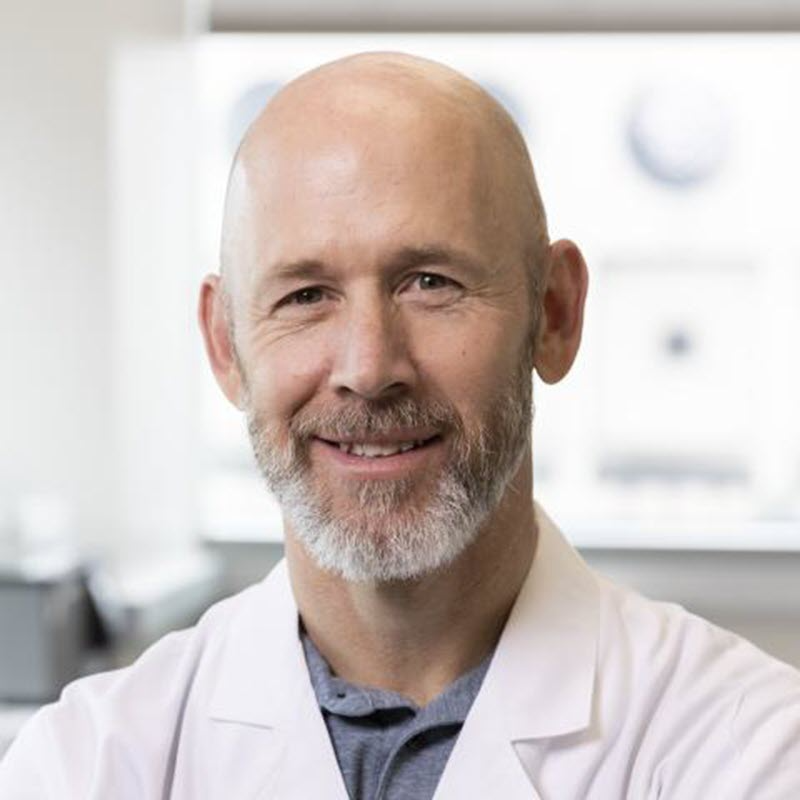
Neal Alto
UT Southwestern
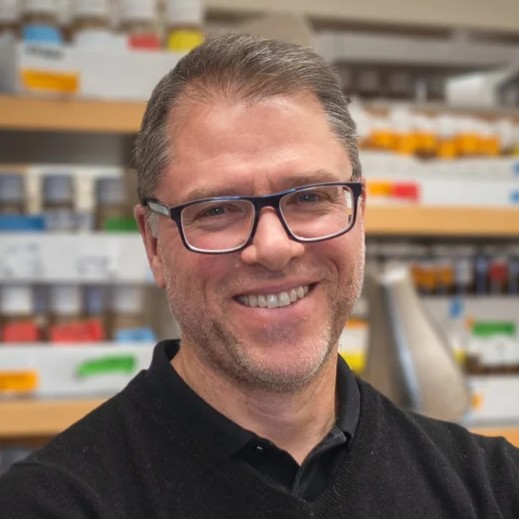
Eric Baehrecke
UMass Chan Medical School
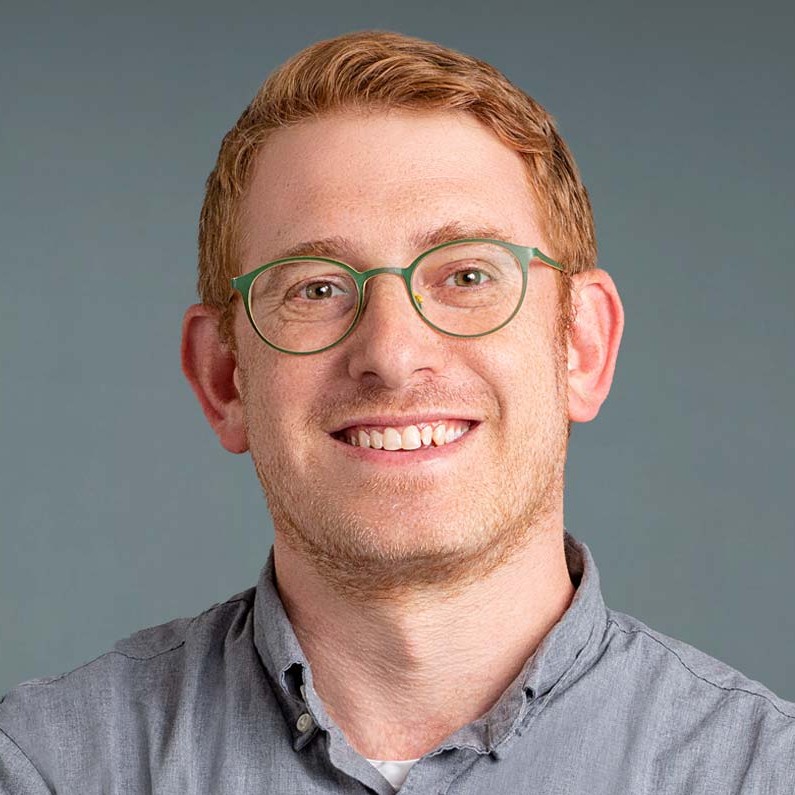
David Beck
NYU School of Medicine
Alessio Ciulli
University of Dundee
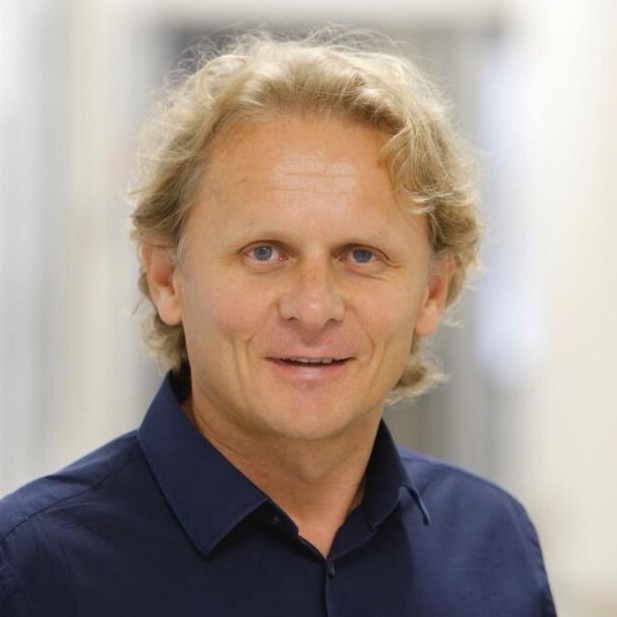
Ivan Dikic
Goethe University Frankfurt
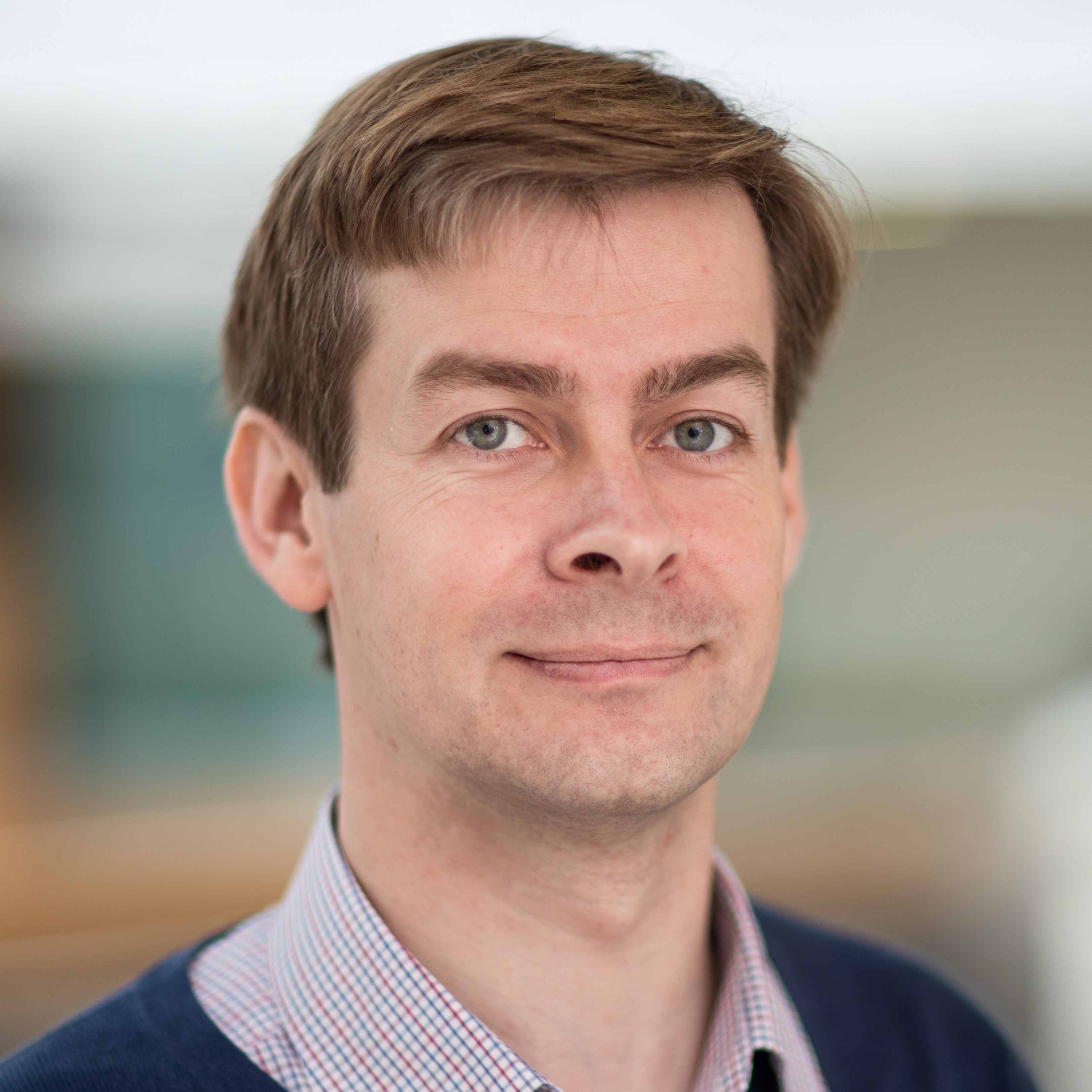
Paul Elliott
University of Oxford
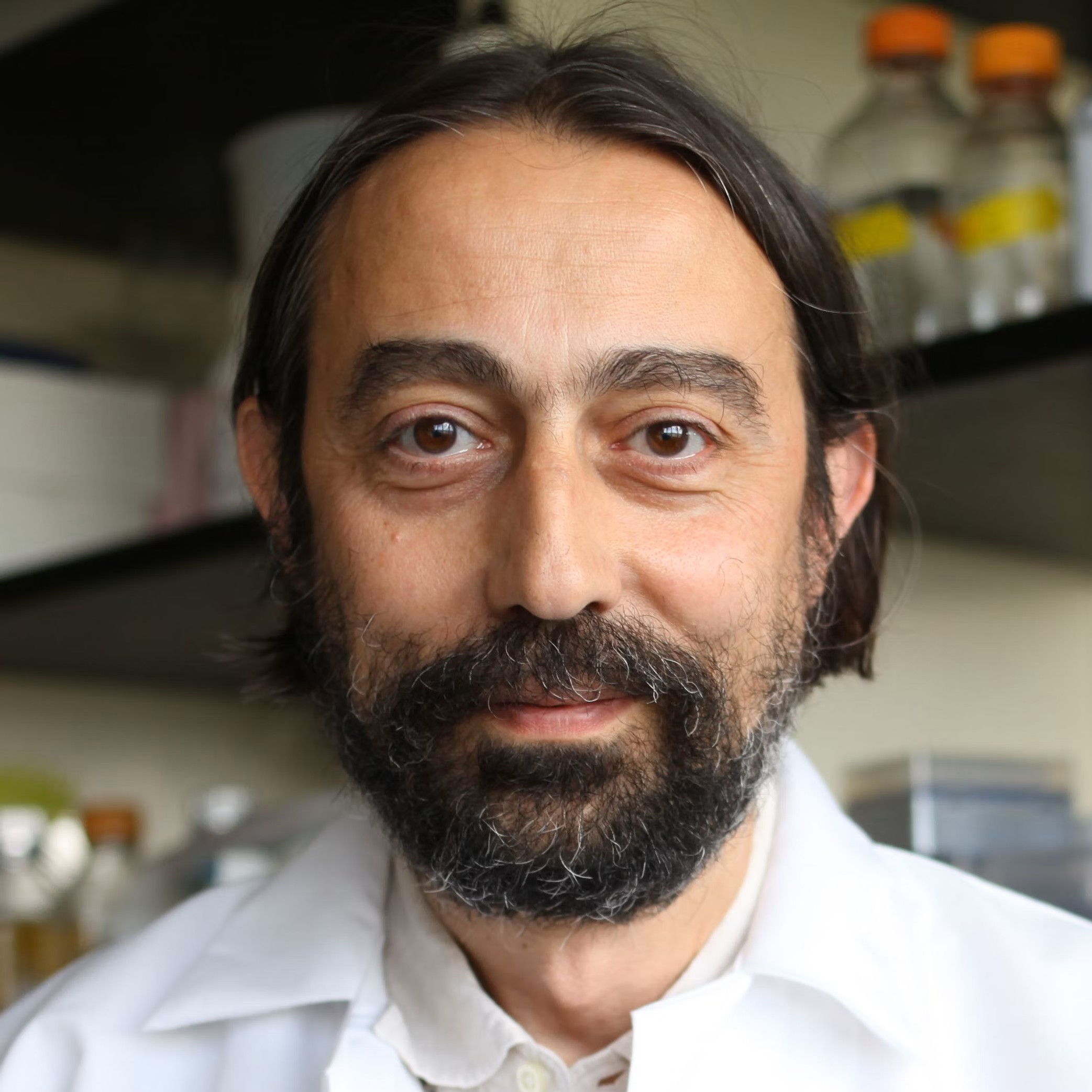
Adolfo Garcia-Sastre
Icahn School of Medicine at Mount Sinai
Alexander Gitlin
Memorial Sloan Kettering Cancer Center
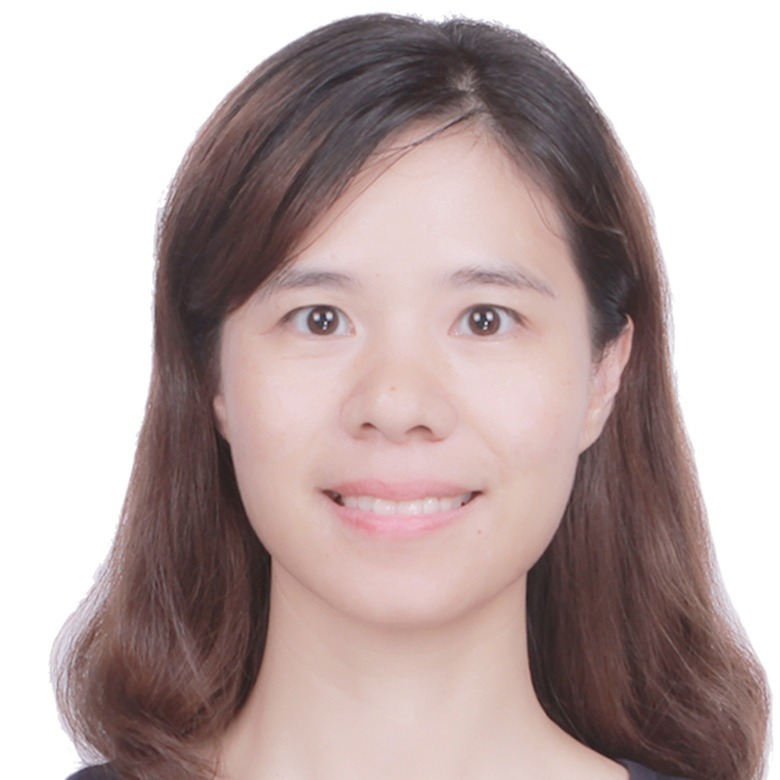
Sudan He
Chinese Academy of Medical Sciences
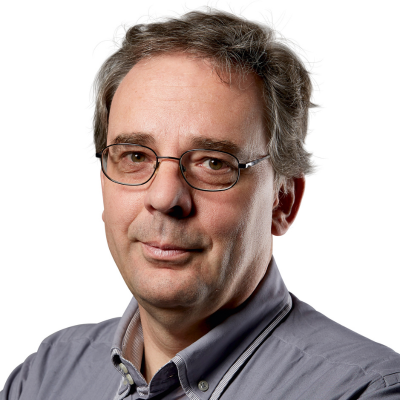
Stefan Knapp
University of Frankfurt
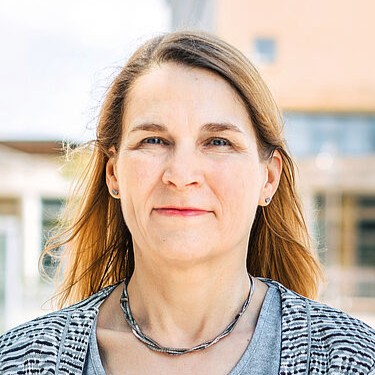
Elke Krüger
University of Greifswald
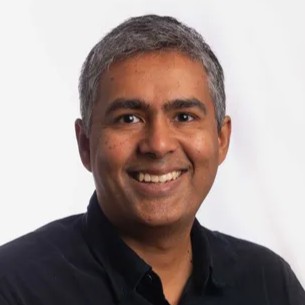
Yogesh Kulathu
University of Dundee
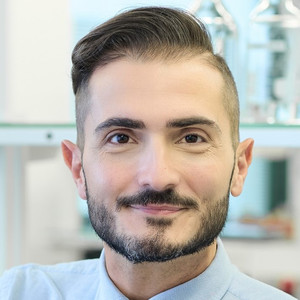
Gianmaria Liccardi
University of Cologne
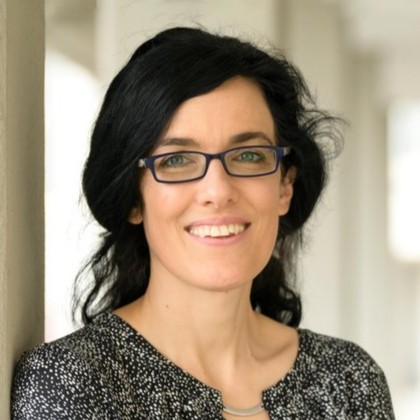
Sonja Lorenz
MPI Göttingen

Nieves Peltzer
University of Stuttgart
Felix Randow
MRC Laboratory of Molecular Biology
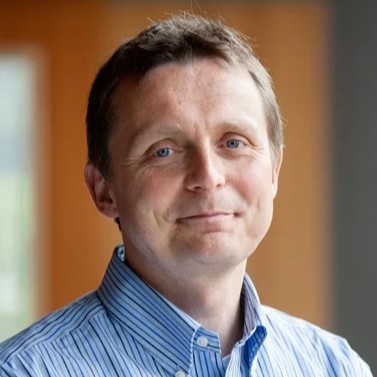
Michael Rapé
University of California, Berkeley
Eva Rieser
University of Cologne
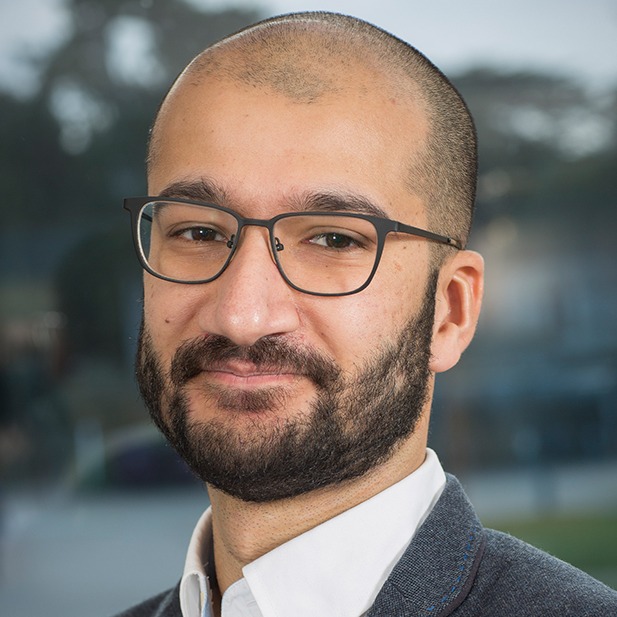
Rahul Samant
Babraham Institute
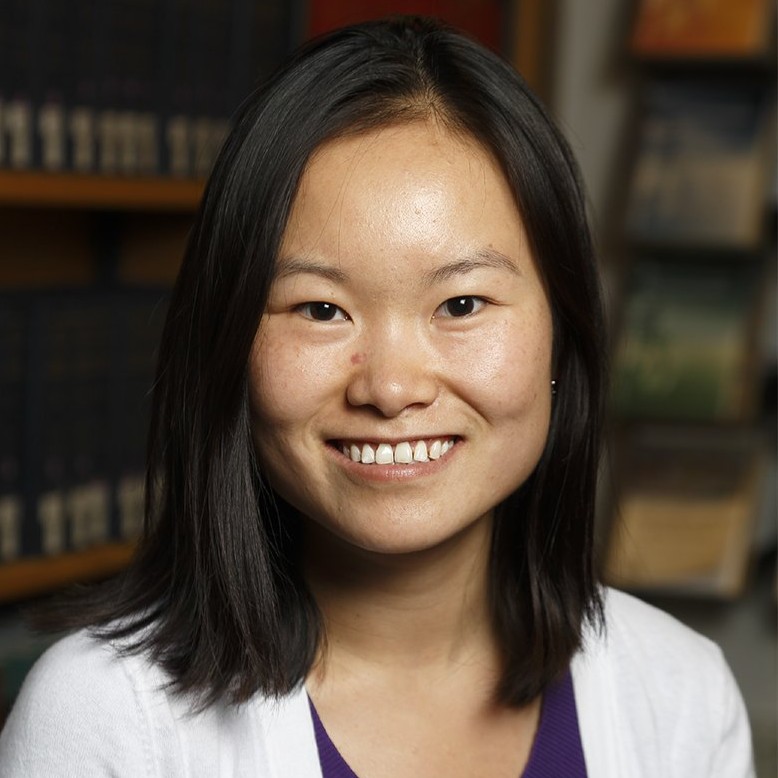
Sichen (Susan) Shao
Harvard Medical School
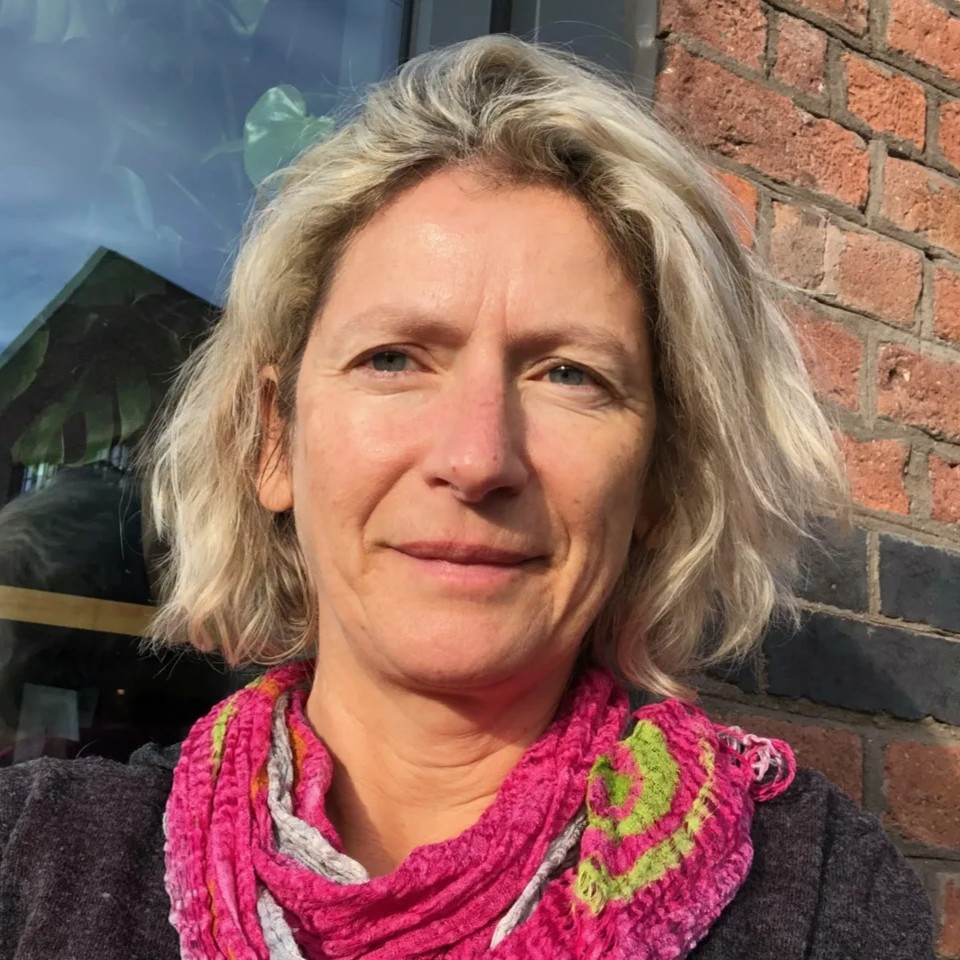
Sylvie Urbé
University of Liverpool
Domagoj Vucic
Genentech
Helen Walden
University of Glasgow
Programme
Grants
Registration Grants now available!
We are pleased to announce we have a handful of registration grants now available to support students and postdocs in the field. These are:
- €500 off registrations for Post-Docs (registering under our 'Single' or 'Shared' ticket type).
- €250 off Student registrations.
These are being offered on a first come first served basis, so be quick!
To apply, participants need to submit proof of their career level (e.g. any document that has your student/postdoc status and expiry date), alongside an abstract for talk or poster consideration to Rosie.
Supported by


Venue & Location
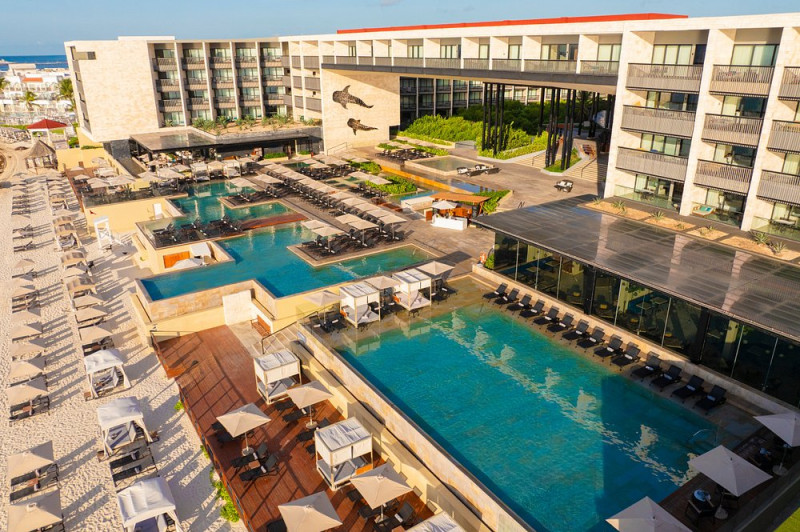
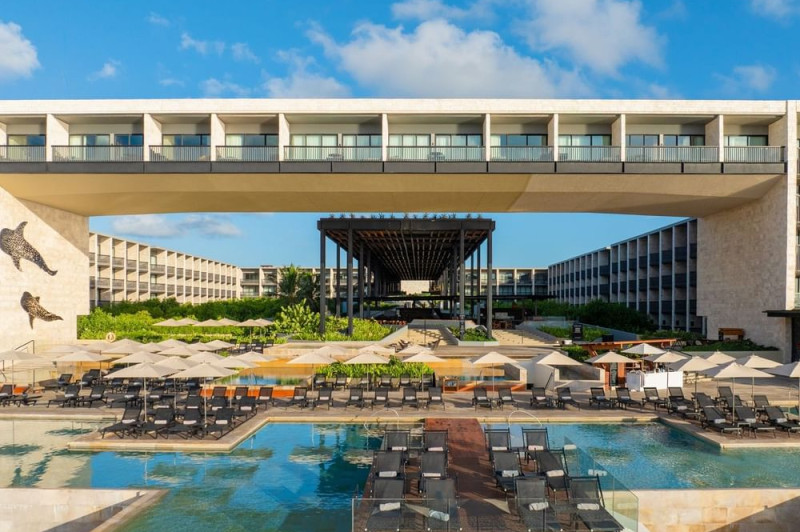
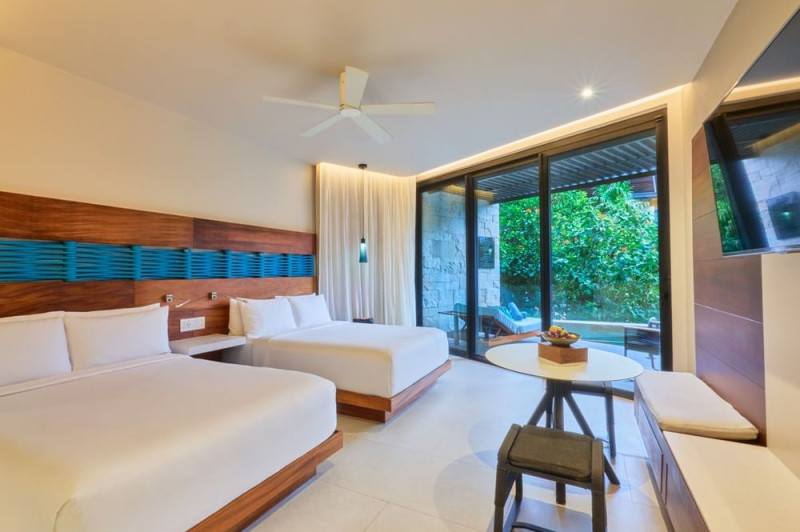
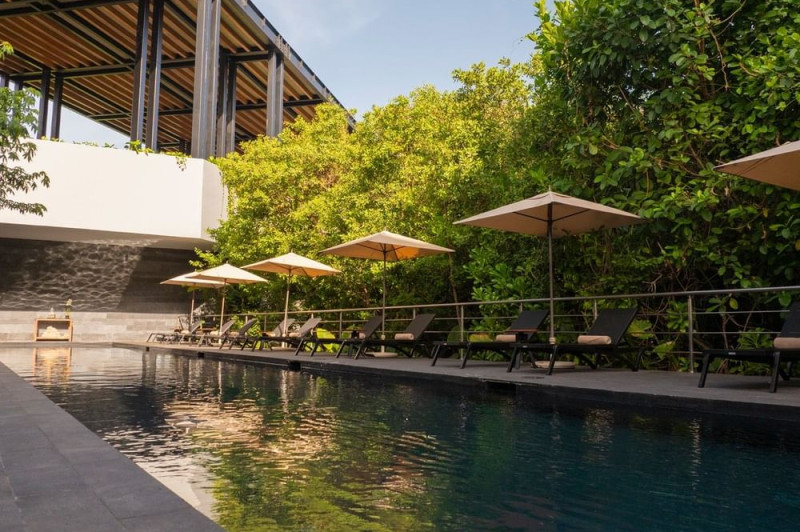
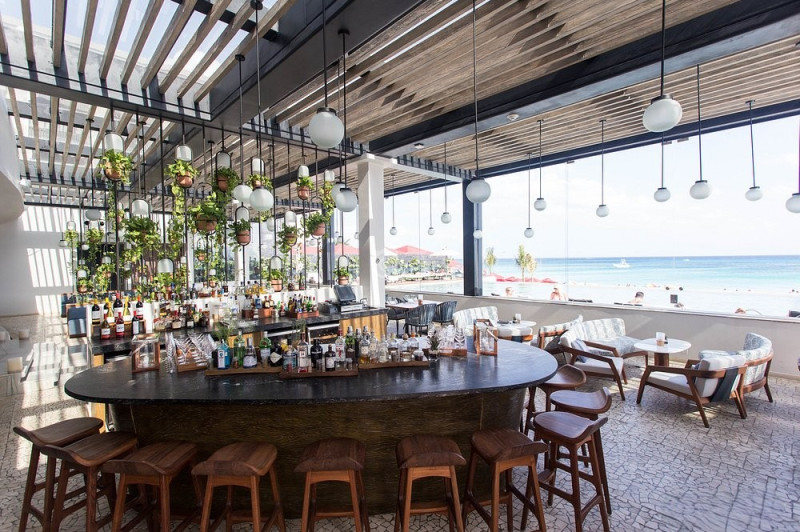
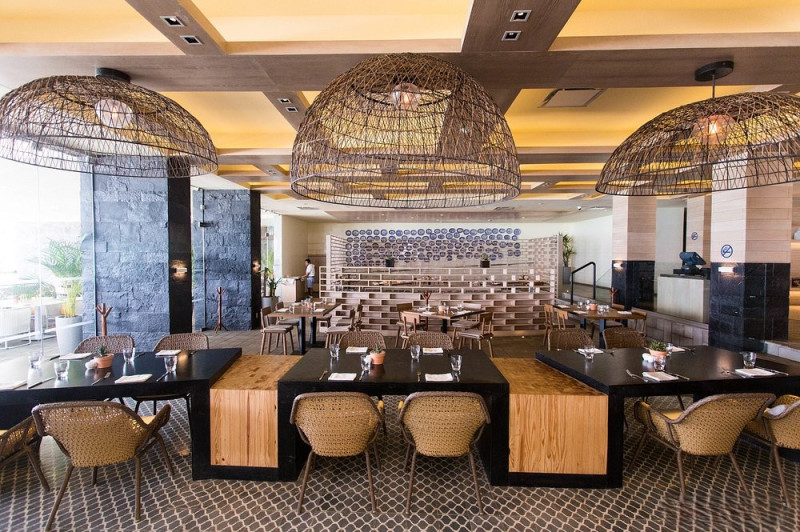
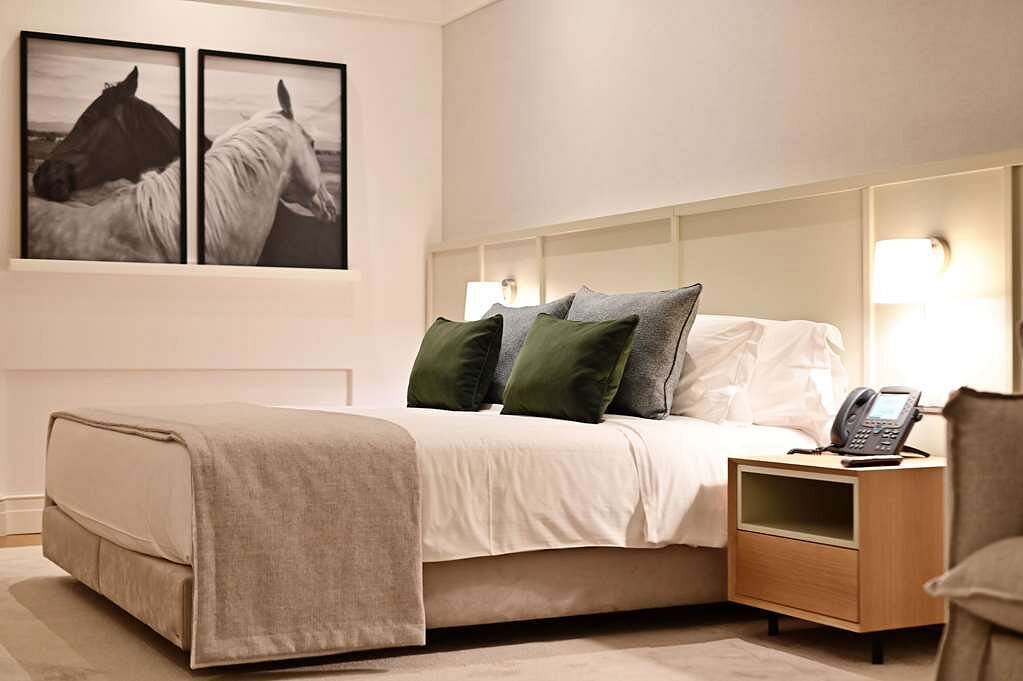
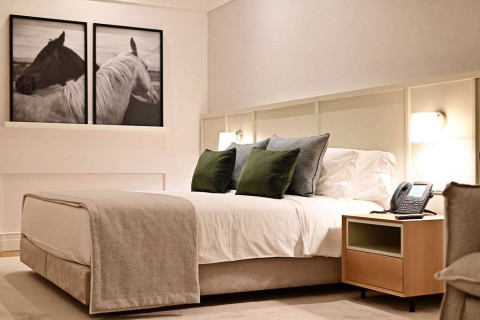
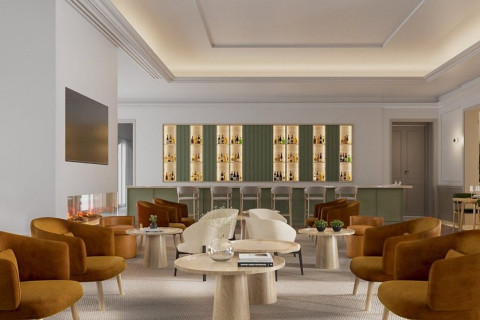
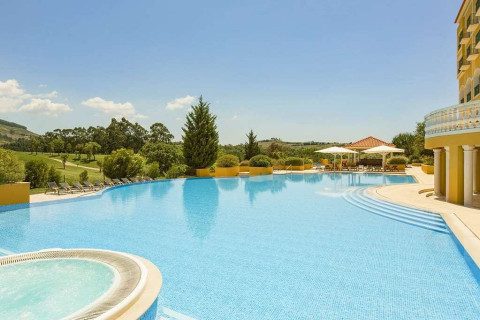
Dolce CampoReal Lisboa
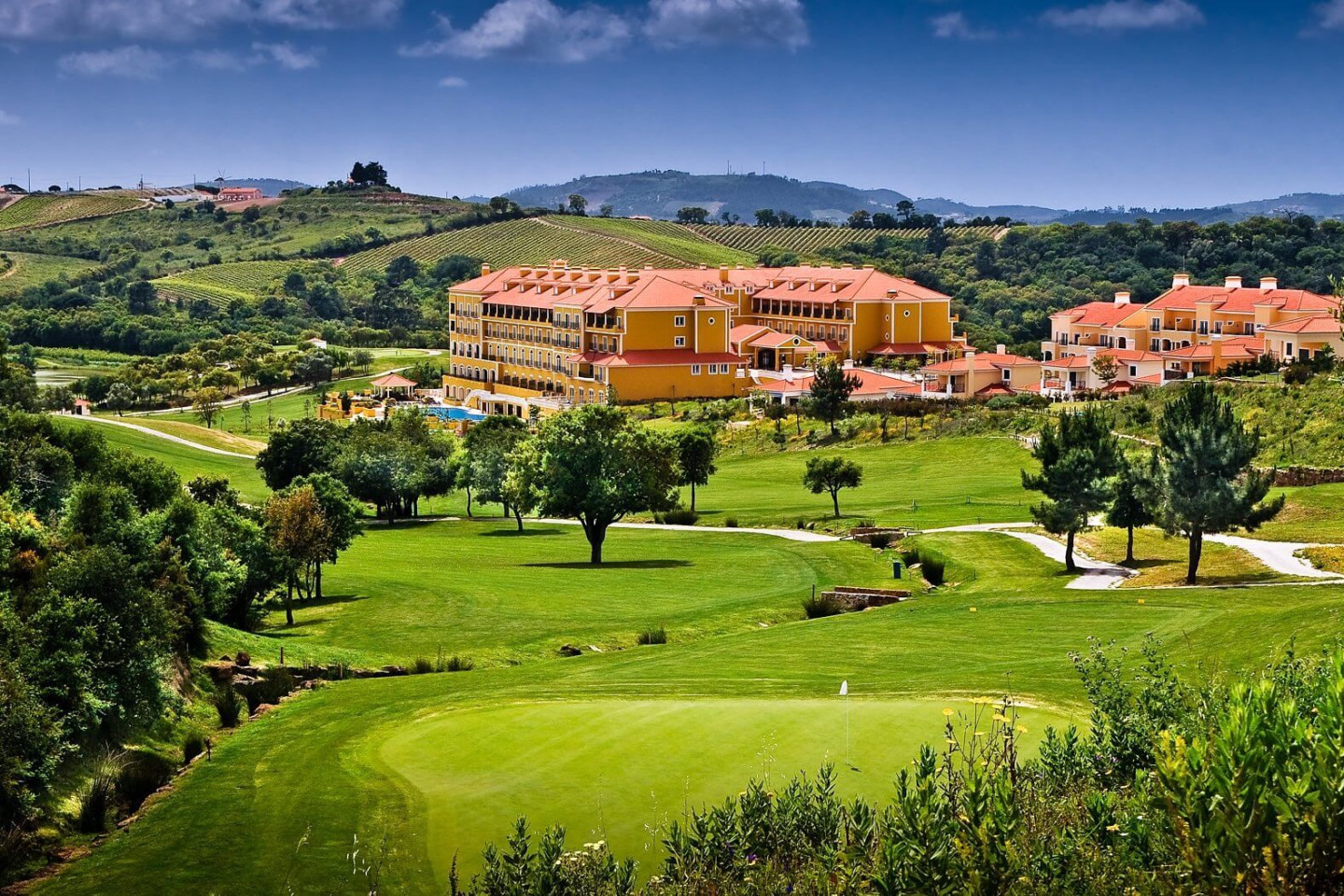
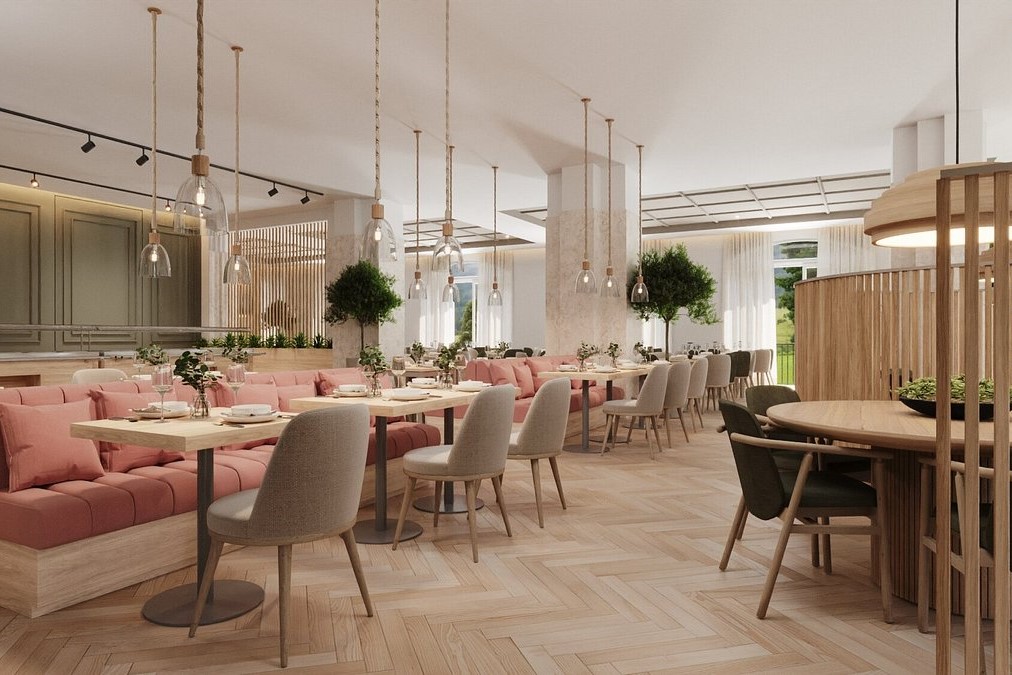
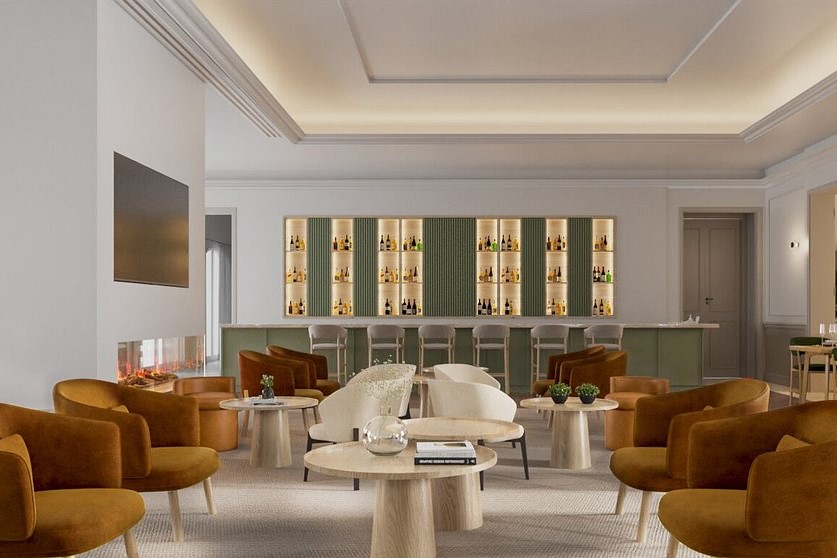
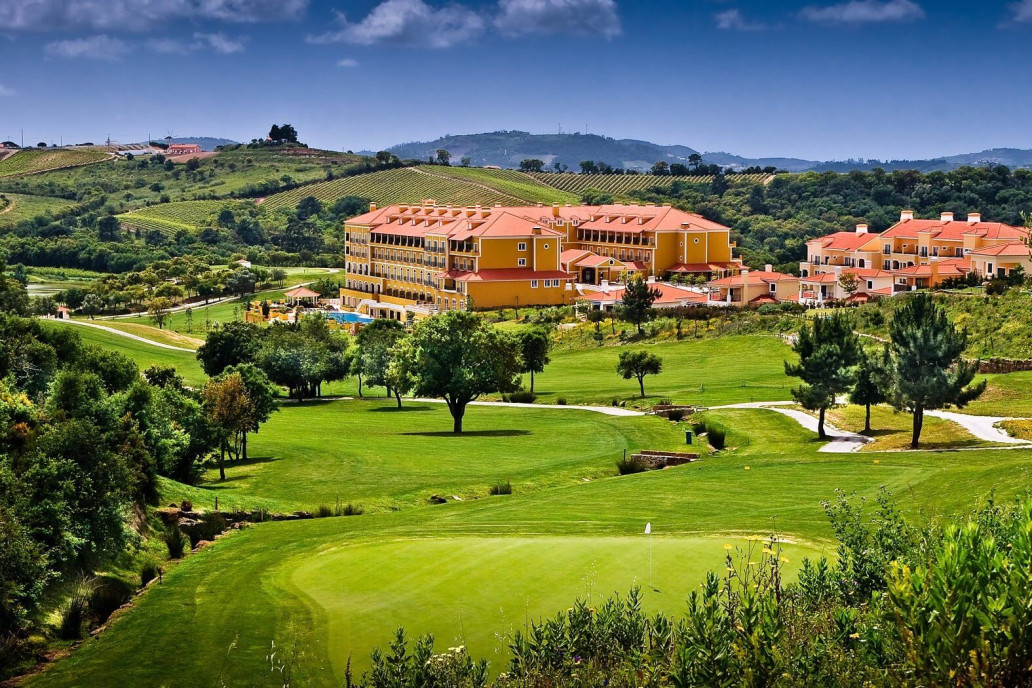
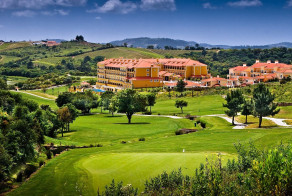
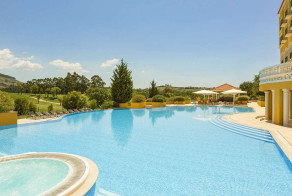
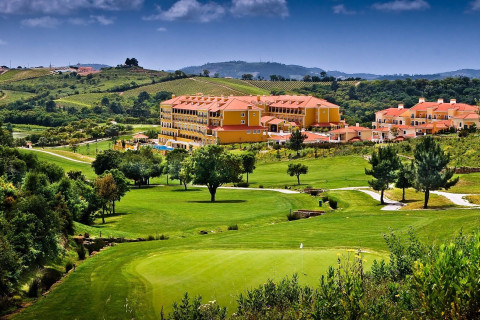
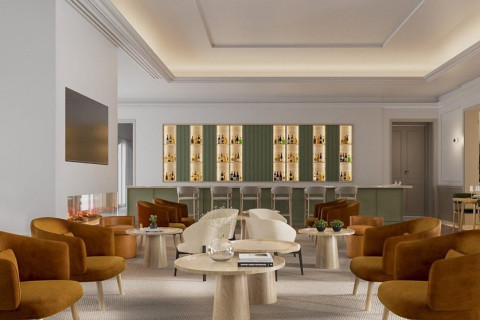
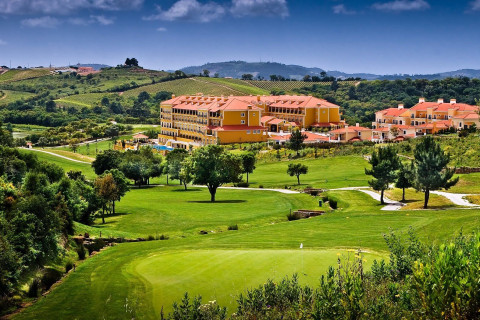
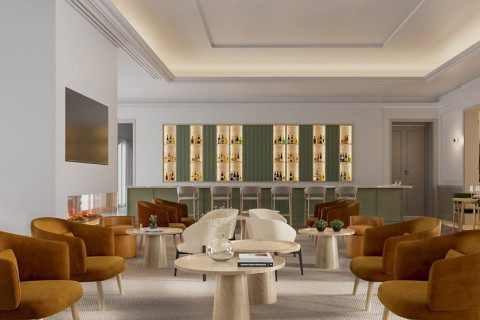
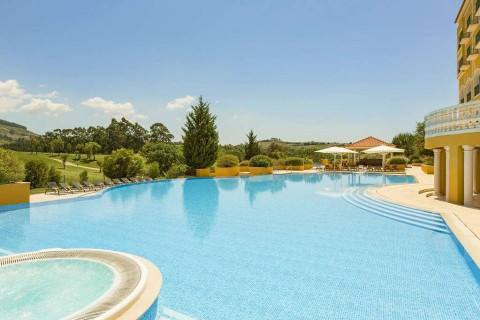
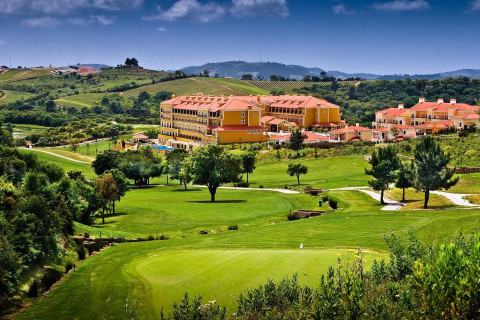
The Dolce CampoReal Lisboa is nestled in the scenic region of Torres Vedras, just 30minutes from the city of Lisbon. Set among the rolling hills and vineyards in the countryside, the hotel offers a focused and peaceful environment for conference sessions, whilst still only a short drive away from the hustle and bustle of the city, so attendees can take advantage of all Lisbon has to offer during free time.
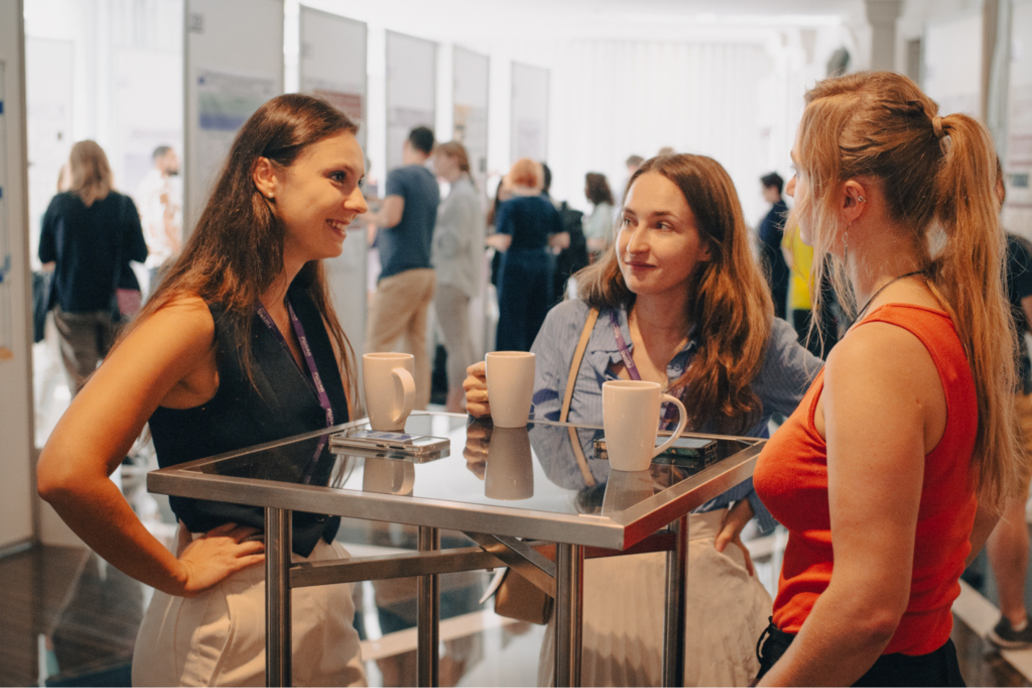
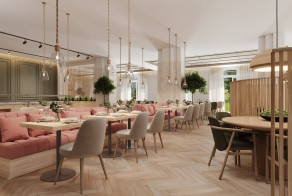
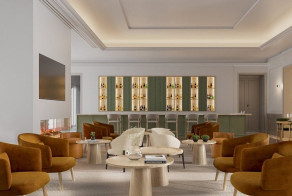
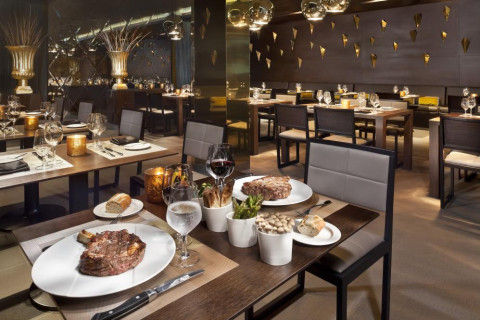
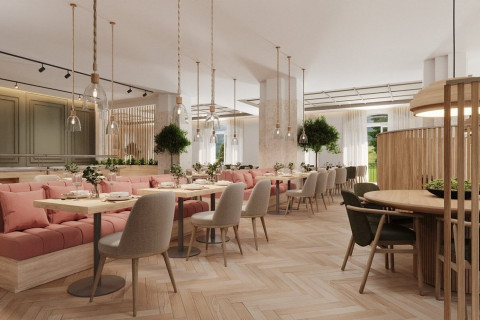
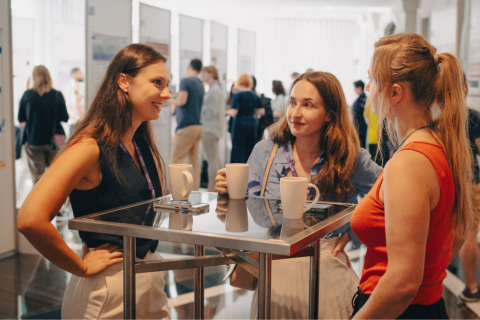
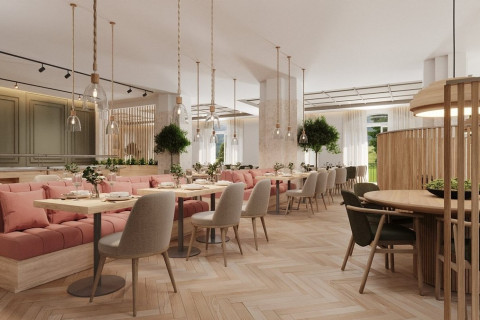
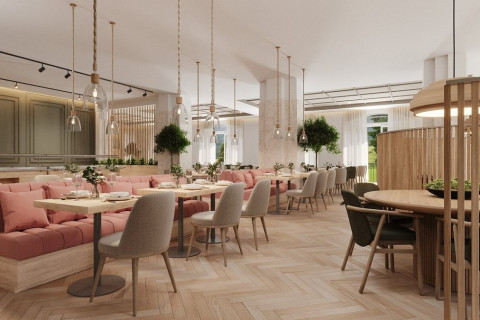
The venue has modern, flexible meeting spaces, and due to its smaller size, we are able to offer group dining experiences on each of the conference days, so ideas can continue to be exchanged in a relaxed and informal setting after sessions conclude. For those who need or wish to travel with family, a dedicated kids club and family friendly activities ensure you can balance both work and play.
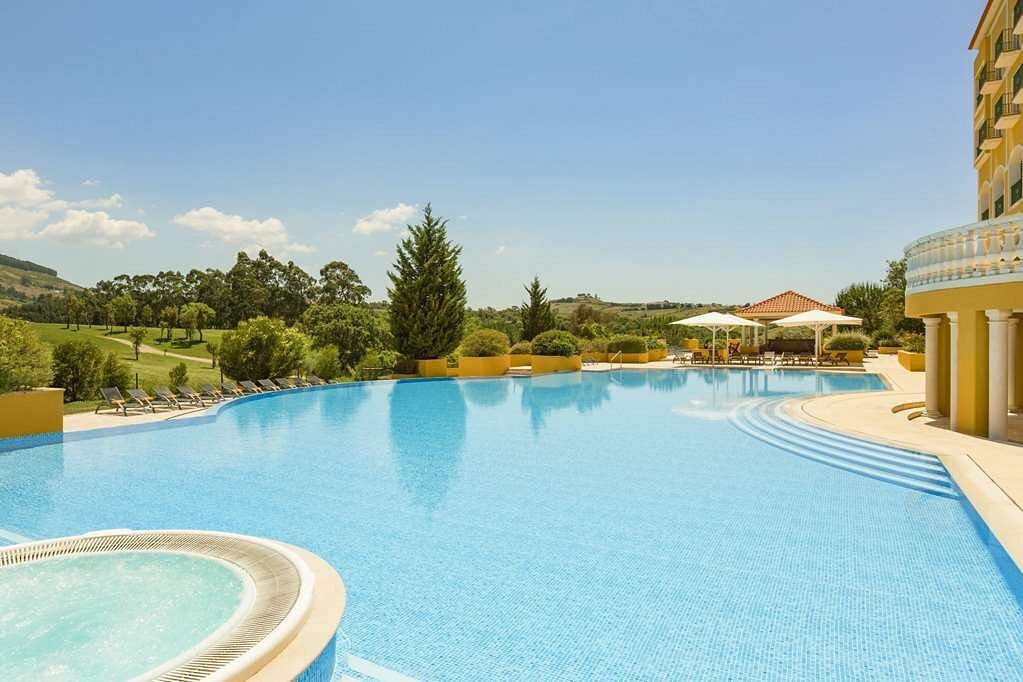
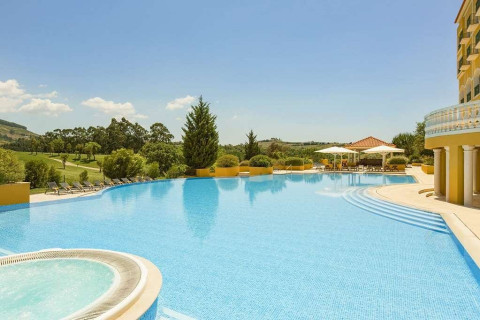
Outside of sessions, the hotel itself boasts a golf course, tennis courts and wellness facilities for both relaxation and recreation, and the surrounding area is perfect for scenic hikes or nature walks. With the venue nestled in one of Portugal’s renowned wine regions, delegates often enjoy visiting local vineyards for a wine tasting experience during free time.
The blend of both professional and personal experiences make it the perfect setting to reconnect with colleagues, relax with family, and fuel productive conversations to drive research forward.

General Information
Conference Currency
Euro (EUR)
Address
R. do Campo (Campo Real) 2565-770 Portugal
Nearest Airport
Lisbon Portela Airport
Hotel Facilities
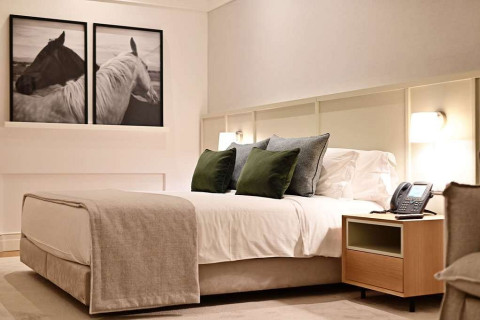
- Complimentary Wi-Fi in guest rooms and throughout hotel and conference areas
- Indoor heated swimming pool
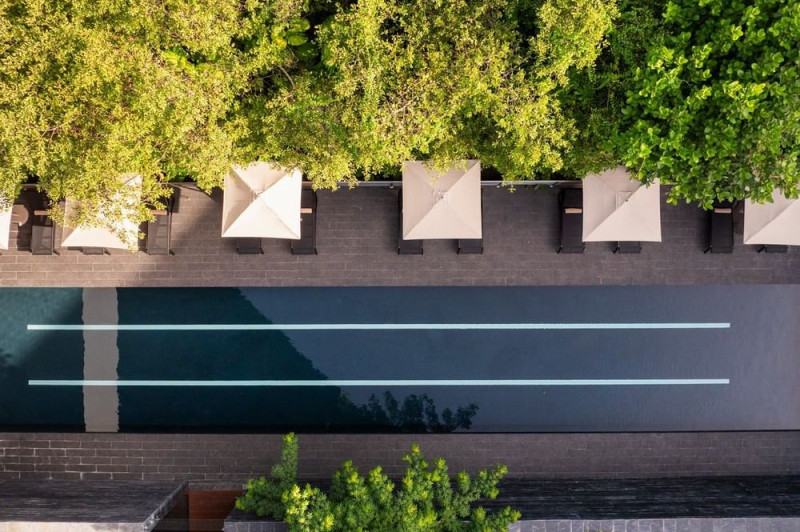
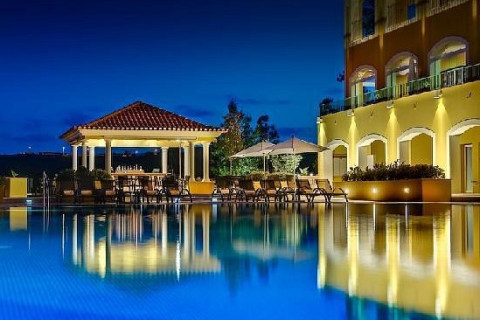
- Outdoor swimming pool with Jacuzzi
- Spa
- Gym
- Golf course
- 2 Tennis courts
Location
The Dolce CampoReal Lisboa is nestled between the vineyards and the extraordinary landscape of the Socorro and Archeira Mountains.
Lisbon is only a short 30-minute drive away. The Portuguese capital is constantly recognised as one of the greatest cities in the world, a claim confirmed by the “Lonely Planet Guides", who named Lisbon one of the world’s top 10 cities. Lisbon in one of the world’s oldest cities, predating the likes of London, Rome and Paris by hundreds of years. Hillsides covered in tumbledown houses and a mix of baroque and neoclassical buildings, including cathedrals and palaces, make up Lisbon’s skyline. The city is a combination of old and new, with beautiful modern buildings constructed near renovated historical landmarks and ruins.
Gallery
Conference History

If you are interested in this meeting but not yet ready to register, you can sign up for updates here and our team will keep you updated regarding deadline reminders and grant opportunities relating to this meeting only.
Silver Sponsors
Media Partners
If you're interested in sponsoring this conference please contact us.
Conference Manager

Rosie Johnson
Need some help? Chat to the Fusion team today
As a family run business, our dedication runs deep. We’re committed to each other and, even more so, to every attendee’s experience, delivering a level of care and passion that’s truly unmatched.