- Home
- Past Conferences
- Mitochondria & Cell Fate Transitions: From Stemness to Senescence Conference
Mitochondria & Cell Fate Transitions: From Stemness to Senescence Conference
10 May - 13 May 2026
St. Julian's, Malta
-
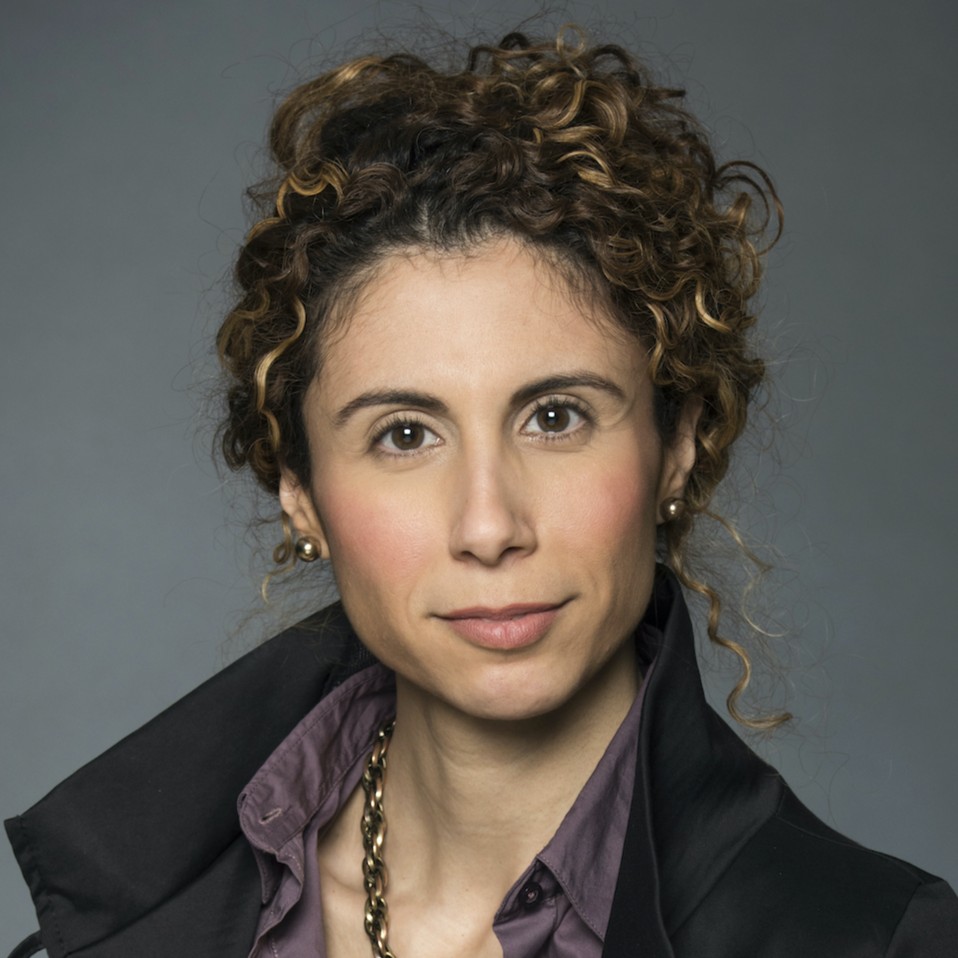
Mireille Khacho
University of Ottawa
-
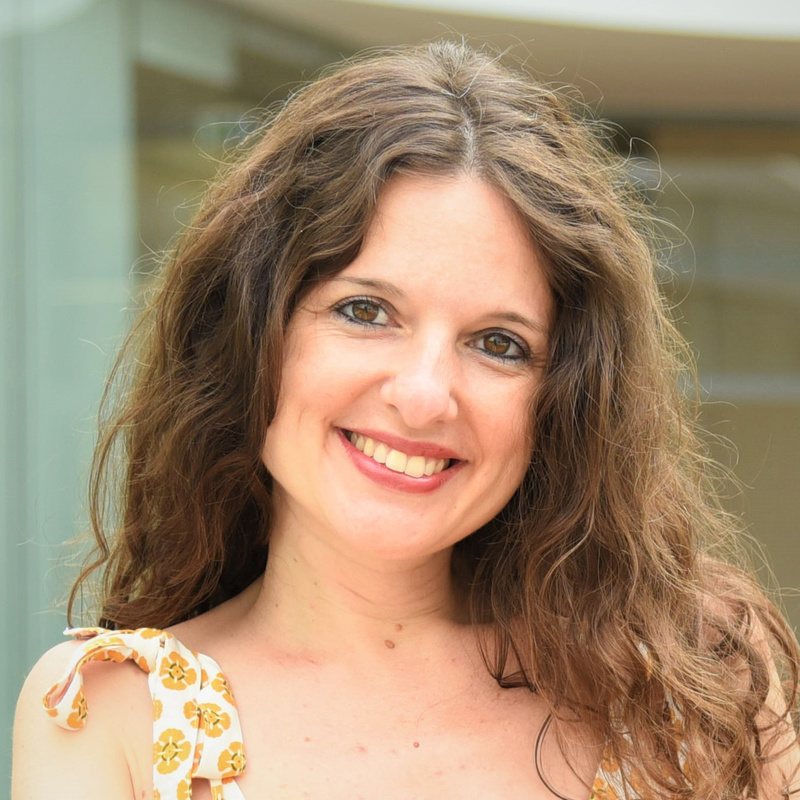
Elisa Motori
University of Cologne
-
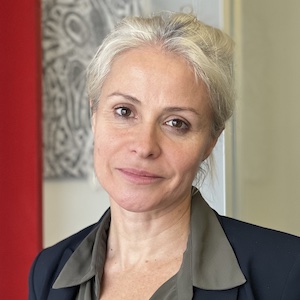
Maria Eugenia Soriano
University of Padua
Early Bird - Expired • Talk Submission - Expired • Poster Submission - Expired • Registration & Payment Deadline - Expired
Report
The inaugural 'Mitochondria & Cell Fate Transitions: From Stemness to Senescence' conference was held at the Hilton Malta in St. Julian's, Malta, 10–13 May 2026. Organised by Fusion Conferences and chaired by Mireille Khacho (University of Ottawa), Elisa Motori (University of Cologne), and Maria Eugenia Soriano (University of Padua), the meeting brought together researchers from stem cell biology, mitochondrial biology, neuroscience, cancer, immunology, and aging to delve into the role of mitochondria as determinants of cell fate transitions.
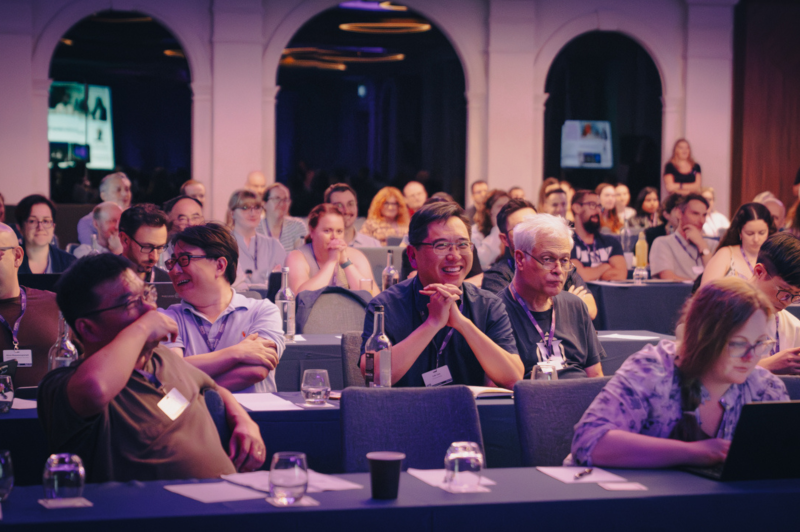
What distinguished this inaugural meeting above all was its genuinely multidisciplinary character. Rather than convening a single research community, the organisers deliberately designed a programme that bridges disciplines that have historically worked in silos. The result was a series of plenary sessions in which stem cell biologists, mitochondrial biochemists, cancer researchers, immunologists, and aging experts engaged directly with one another's science - an encounter that many attendees described as rare and timely.
The scientific programme was structured around five thematic sessions: mitochondrial regulation of cell fate transitions; mitochondria as signalling platforms in development and disease; mitochondrial dysfunction, senescence, and tissue decline; transcriptional and translational control of mitochondrial programmes; and mitochondrial regulation of immune and cancer cell plasticity. Seventeen invited speakers from leading institutions across North America, Europe, and Asia presented work spanning lactate and lipid metabolism in cell fate decisions, OXPHOS architecture and cellular plasticity, mitochondria dynamics and organelle crosstalk in skeletal muscle differentiation, metabolic regulation of neural stem cells and senescence mitochondrial signaling mechanisms and mitochondrial genome engineering in disease, among many other topics.
Several cross-cutting themes emerged. A conceptual shift was evident across sessions: mitochondria were repositioned from passive energy suppliers to active instructors of cell state and identity, with mitochondrial dynamics - fission, fusion, mitophagy, inner membrane remodelling - shown to drive fate decisions rather than merely reflect them. Metabolite signalling - through lactate, lipids, ROS, and butyrate - emerged as a universal language through which mitochondria communicate with the nucleus and the broader cellular environment. Discussion sessions were lively and substantive, with speakers actively challenged on causal claims, in keeping with the meeting's emphasis on mechanism over description.
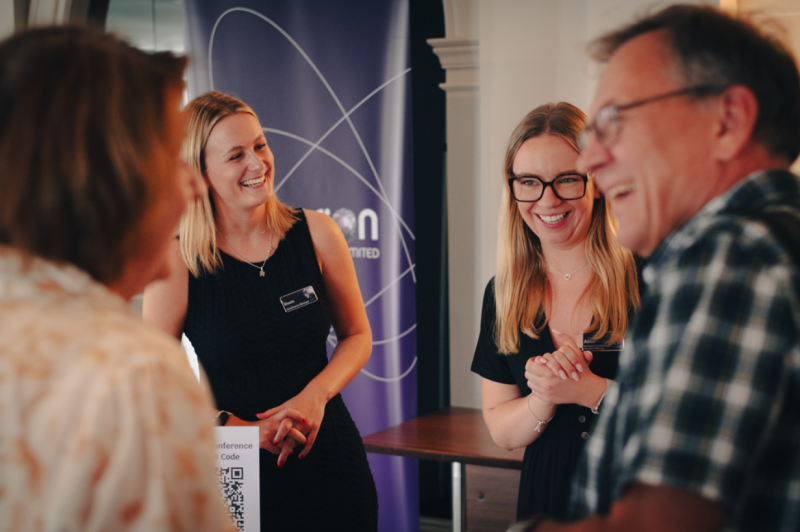
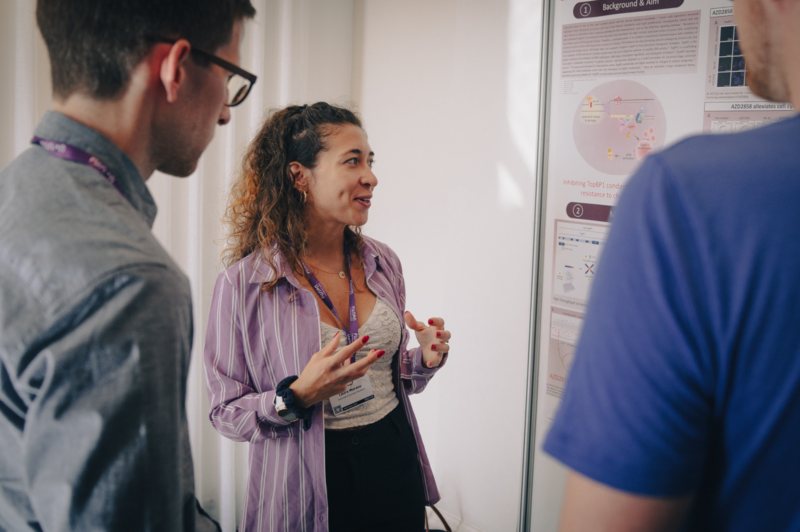
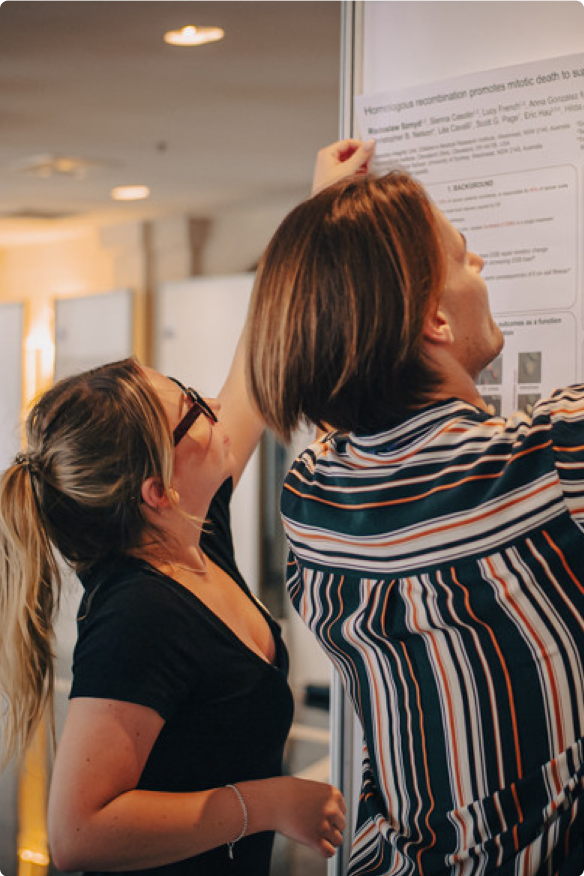
The meeting placed a strong emphasis on early-career researcher (ECR) integration. In addition to poster sessions with several dedicated prizes and ECR lunch with invited speakers, ECRs were selected for short platform talks from submitted abstracts and participated in 'meet the poster presenter' networking sessions. The residential Fusion format - shared meals, group activities including a guided walking tour of Valletta and a traditional Dgħajsa harbour cruise on the opening day, and a gala dinner to close - created the sustained, informal contact that turns acquaintances into collaborators. Travel awards were secured to reduce financial barriers for trainees.
This was a first-edition conference that arrived at precisely the right moment. Advances in single-cell genomics, spatial transcriptomics, mitochondrial genome engineering, and metabolomics have created the conditions for a field-defining synthesis, and this meeting positioned itself to catalyse it. By bringing together disciplines that do not typically share a conference room, and by investing seriously in the next generation of scientists, it established both a scientific benchmark and a community.
That community-building impulse was not incidental - it was by design. The initiation of new cross-disciplinary collaborations stood out as a key outcome of the meeting, a commitment the chairs had embedded into the conference's structure from the earliest stages of planning. Looking ahead, the formal announcement that 'Mitochondria & Cell Fate Transitions' will become a biennial meeting - with the next edition set for 2028 - ensures that this momentum will carry forward.
Mireille Khacho (University of Ottawa)
Elisa Motori (University of Cologne)
Maria Eugenia Soriano (University of Padua)
Synopsis
Synopsis
This conference will explore how mitochondria govern key transitions in cell fate - from quiescence to activation, differentiation, plasticity, and senescence. Recent advances show that mitochondrial dynamics, ultrastructure, and metabolite signaling are tightly linked to decisions that define tissue homeostasis, regeneration, immune responses, and aging. These insights have far-reaching implications for understanding stem cell biology, cancer development, and degenerative disease. The meeting aims to bring together a multidisciplinary audience of stem cell biologists, mitochondrial researchers, immunologists, cancer biologists, neuroscientists and aging experts to explore mitochondria as master regulators of cell identity. Key sessions will cover mitochondrial influence on stemness and differentiation, the role of mitochondrial signaling in cell fate, mechanisms of mitophagy and inner mitochondrial membrane remodeling during fate transitions, and how mitochondrial dysfunction contributes to cell senescence and disease.
The meeting will emphasize unpublished data, cross-disciplinary collaboration, and early-career researcher integration to accelerate advances in mitochondrial control of cell fate and regenerative biology. As organizers, we are excited to create a focused platform for this rapidly evolving topic and connect diverse scientific communities that study mitochondria through the lens of cell fate and maintenance of cellular and tissue homeostasis.
Confirmed Invited Speakers
Liron Bar-Peled (Harvard University)
IDENTIFICATION OF DRUGGABLE AND REDOX VULNERABILITIES IN CANCER
Ed Chouchani (Harvard Medical School / Dana-Farber Cancer Institute)
LACTATE, MITOCHONDRIA, AND CELL FATE DECISIONS
Nika Danial (Harvard University)
LIPID DEPENDENT REGULATION OF CELL FATE DECISIONS AND CELLULAR PLASTICITY IN GLIOMA
José Antonio Enríquez (CNIC)
FATE BY FLUX: THE OXPHOS MOSAIC BEHIND CELL PLASTICITY
Vivian Gama (Vanderbilt University)
THE COORDINATION OF MITOCHONDRIAL AND PEROXISOMAL FISSION ESTABLISHES CELL FATE DURING NEUROGENESIS
Yusuke Hirabayashi (University of Tokyo)
ROLES OF THE ER–MITOCHONDRIA TETHER PDZD8 IN REGULATING ADULT-BORN NEURONS
Marlen Knobloch (University of Lausanne)
METABOLIC REGULATION OF NEURAL STEM CELLS
Michal Minczuk (University of Cambridge)
MITOCHONDRIAL GENOME ENGINEERING
Maria Mittelbrunn (Spanish National Research Council)
BUTYRATE EXTENDS HEALTH AND LIFESPAN IN MICE WITH MITOCHONDRIAL DEFICIENCY
Joao Passos (Mayo Clinic)
MITOCHONDRIA AND CELLULAR SENESCENCE: INSIGHTS FOR HEALTHY AGING
Valentina Perissi (Boston University)
INTEGRATIVE MITOCHONDRIA–NUCLEAR SIGNALING IN STRESS ADAPTATION AND METABOLIC PLASTICITY
Luca Scorrano (University of Padua)
KEEPING MITOCHONDRIA IN SHAPE: A MATTER OF LIFE, DEATH AND DIFFERENTIATION
Orian Shirihai (University of California, Los Angeles)
MITOCHONDRIA-LIPID DROPLET CROSS-TALK
Scott Soleimanpour (University of Michigan)
ANTEROGRADE AND RETROGRADE REGULATION OF CELL FATE IN DIABETES
Pierre Vanderhaeghen (VIB KU Leuven)
LINKING MITOCHONDRIA, DEVELOPMENTAL TIMING, AND HUMAN BRAIN EVOLUTION
Carlo Viscomi (University of Padua)
EPIGENETIC AGING IN OXPHOS DYSFUNCTION
Key Sessions
- Mitochondrial Regulation of Cell Fate Transitions. From quiescence to differentiation, this session focuses on how mitochondria govern cell fate decisions through dynamic shifts in metabolism, structure, and signaling.
- Mitochondria as Signaling Platforms in Development and Disease. This session will focus on how mitochondria communicate through metabolites, ROS, and inflammatory cues to influence the epigenome, immune activity, and lineage plasticity.
- Mitochondrial Dysfunction, Senescence, and Tissue Decline. Chronic mitochondrial stress and its role in driving senescence, stem cell exhaustion, aging and degenerative diseases across tissues.
- Transcriptional and Translational Control of Mitochondrial Programs. Mechanisms regulating mitochondrial gene expression and coordination with nuclear programs during development, stress, and regeneration.
- Mitochondrial Regulation of Immune and Cancer Cell Plasticity. Mitochondrial control of cellular plasticity in immune cells, stem-like cancer populations, and inflammatory tissue remodeling.
Target Audience
This meeting targets researchers across stem cell biology, mitochondrial biology, neuroscience, cancer, immunology, and aging who are interested in how mitochondrial function governs cell fate and tissue homeostasis.
Educational Need
Despite growing recognition of mitochondria as key arbiters of cell fate transitions, the field currently lacks a dedicated platform focused on how mitochondrial structure, signaling, and quality control shape these critical cellular decisions. Mitochondria not only generate energy in the form of ATP but serve as dynamic signaling hubs and functional orchestrators that dictate cellular behavior through redox signals, metabolite output, and structural adaptations. There is a pressing need for a dedicated platform that connects mitochondrial biology with stem cell dynamics, cellular senescence, and fate plasticity. This educational gap is especially relevant to translational efforts spanning regeneration, cancer metabolism, immunomodulation, and neurological disorders, including neurodegeneration and neural repair. This conference will address this need by providing a curated venue for cross-disciplinary learning, fostering collaborations, and driving the field forward.
Confirmed Speakers
Chairs
Mireille Khacho
University of Ottawa
Elisa Motori
University of Cologne
Maria Eugenia Soriano
University of Padua
Invited Speakers
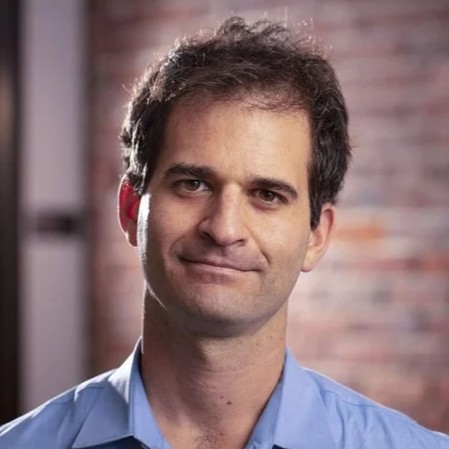
Liron Bar-Peled
Harvard University
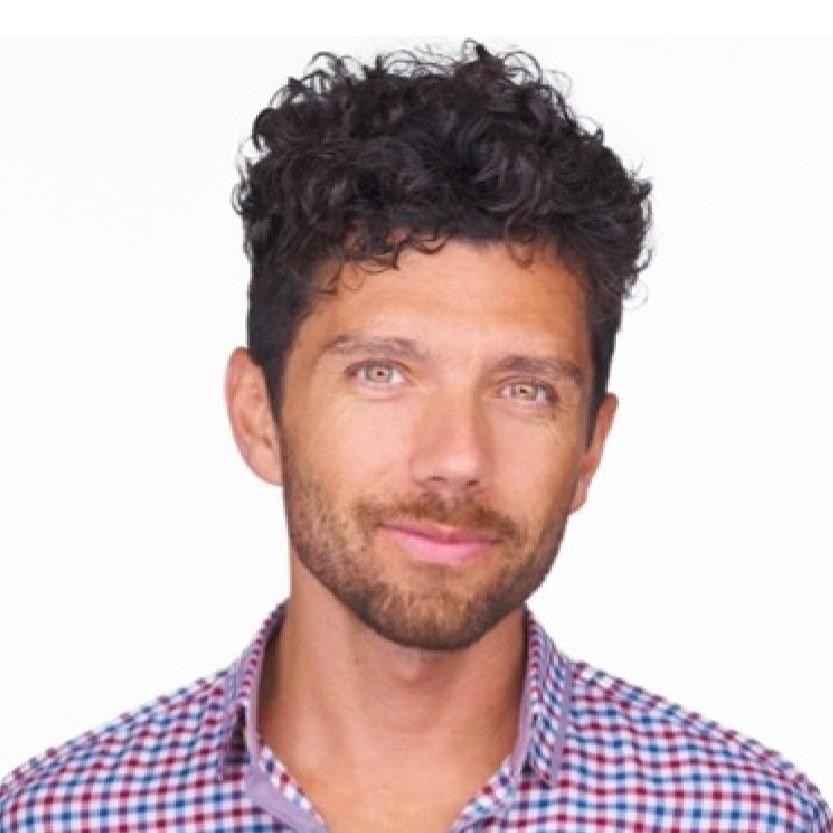
Ed Chouchani
Harvard Medical School / Dana-Farber Cancer Institute
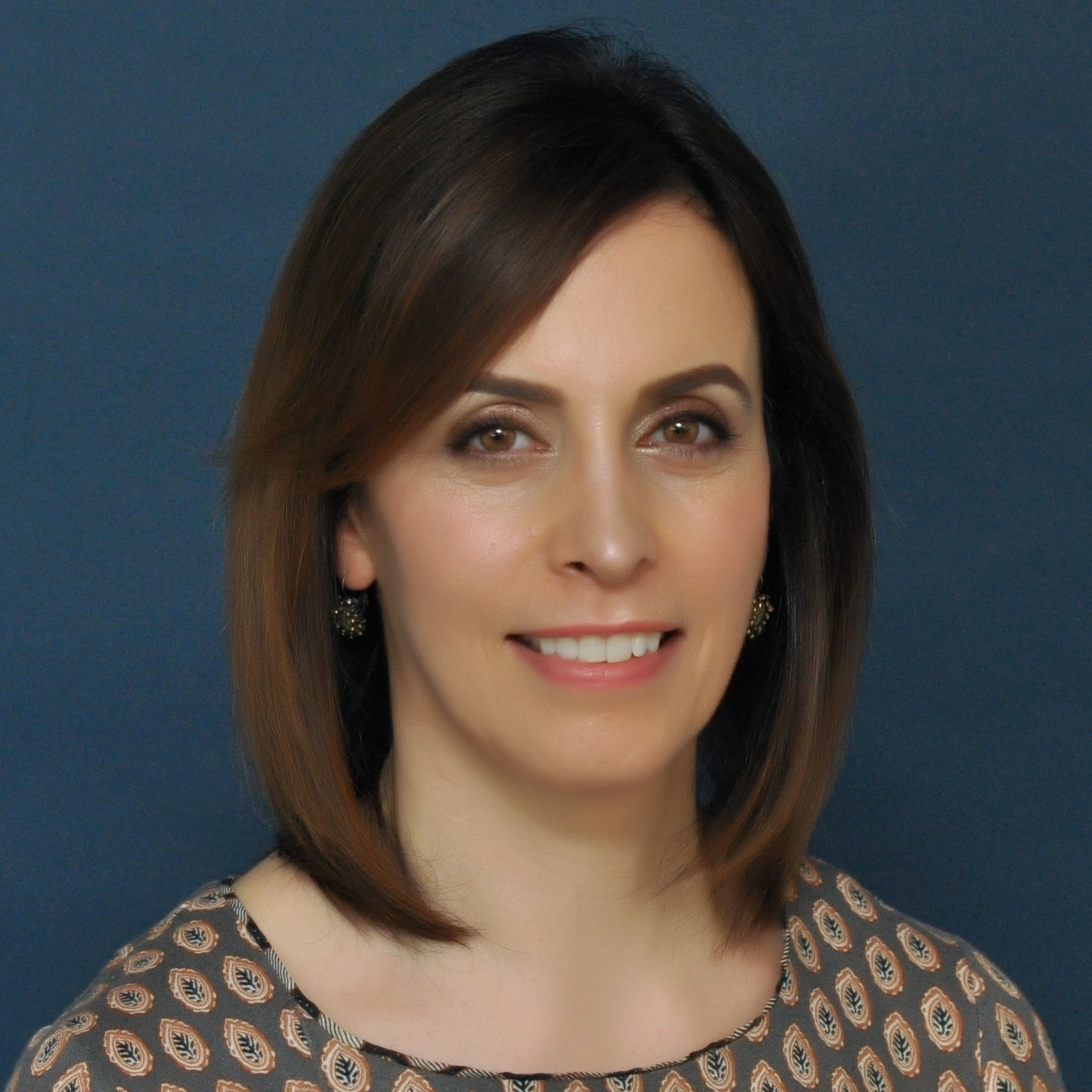
Nika Danial
Harvard University
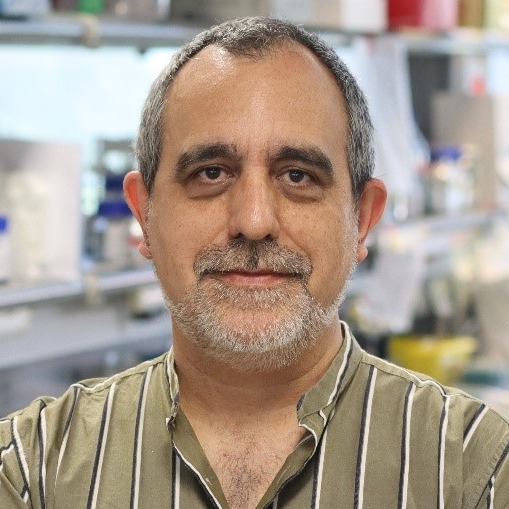
José Antonio Enríquez Domínguez
CNIC
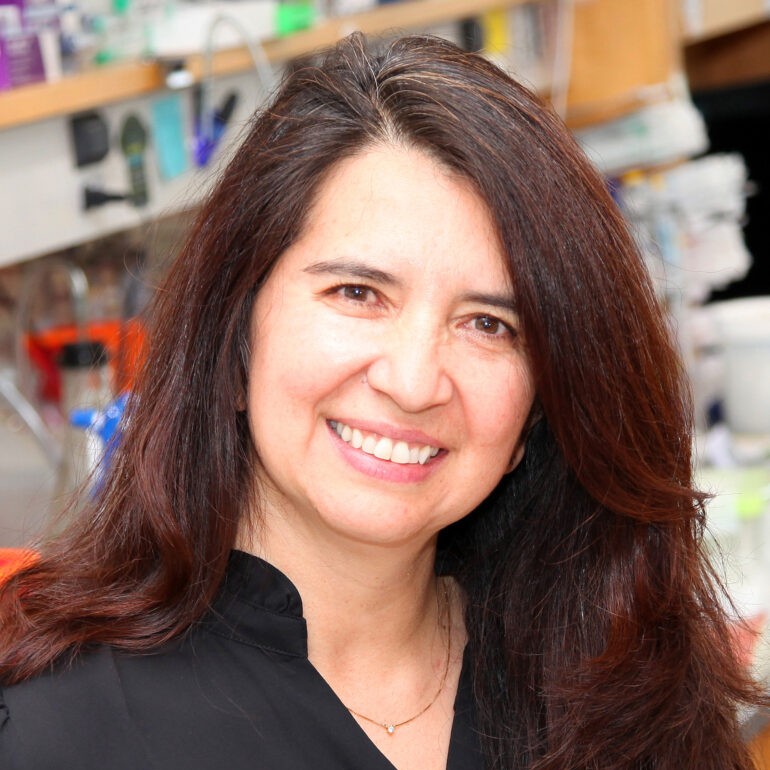
Vivian Gama
Vanderbilt University
Yusuke Hirabayashi
University of Tokyo
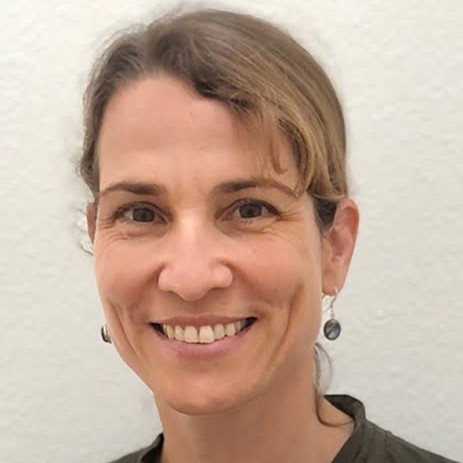
Marlen Knobloch
University of Lausanne
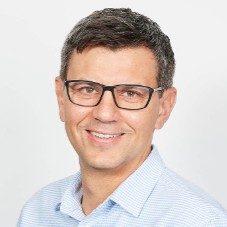
Michal Minczuk
University of Cambridge
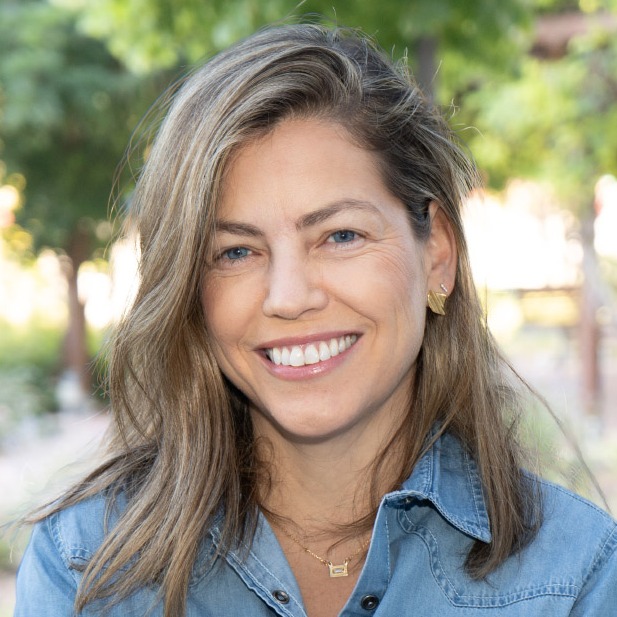
Maria Mittelbrunn
Spanish National Research Council
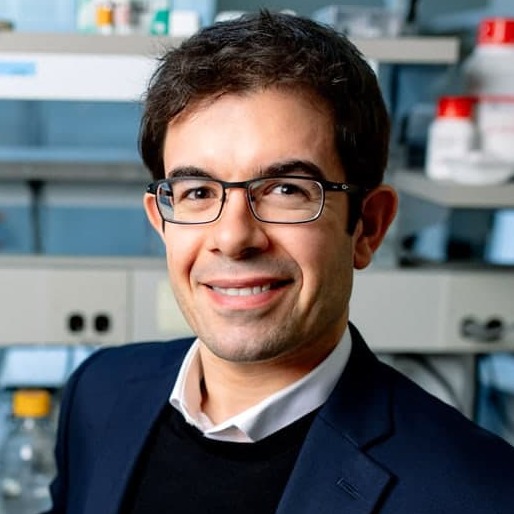
Joao Passos
Mayo Clinic
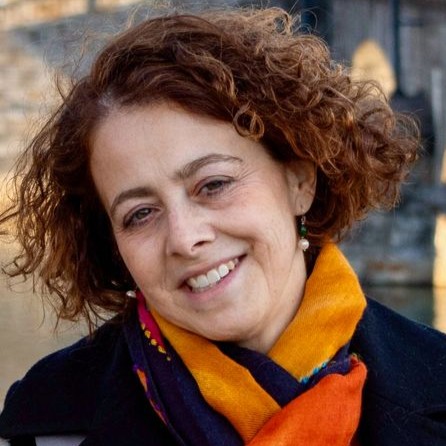
Valentina Perissi
Boston University
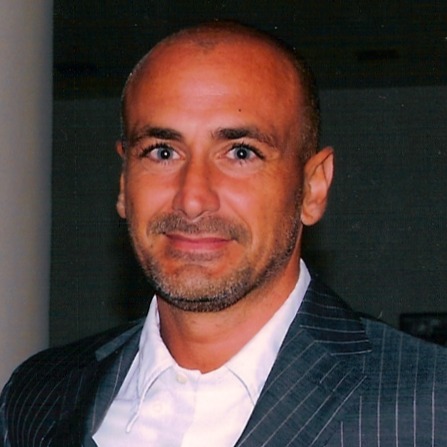
Stefano Pluchino
University of Cambridge
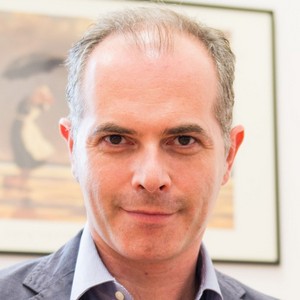
Luca Scorrano
University of Padua

Orian Shirihai
University of California, Los Angeles
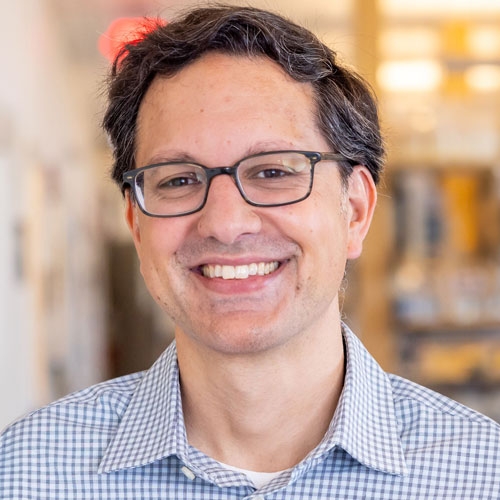
Scott Soleimanpour
University of Michigan
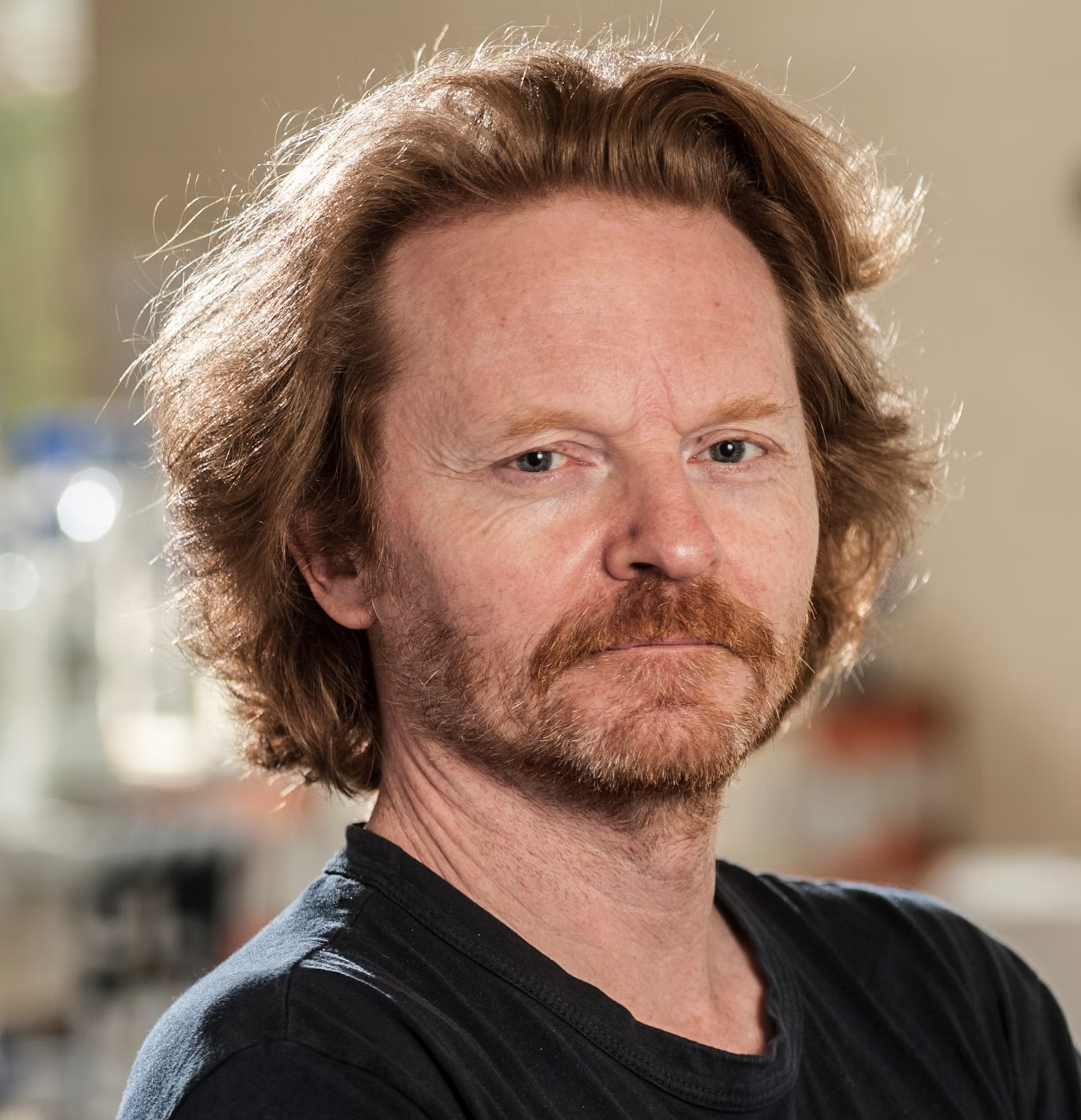
Pierre Vanderhaeghen
VIB KU Leuven
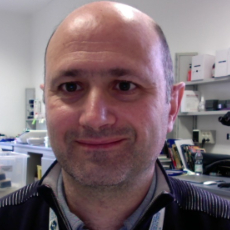
Carlo Viscomi
University of Padua
Programme
Supported by







Venue & Location
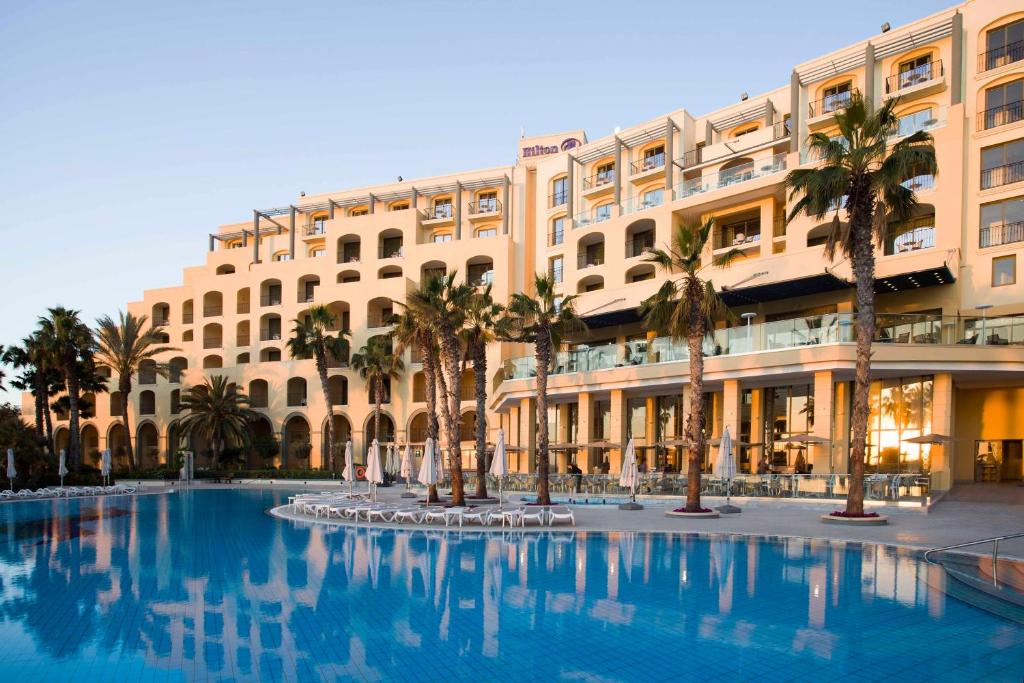
Hilton Malta
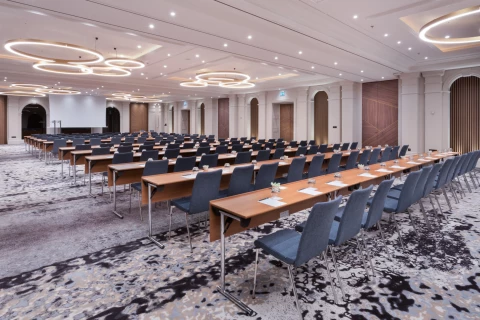
We are excited to be heading back to St. Julian’s as our Mediterranean destination for May 2026!
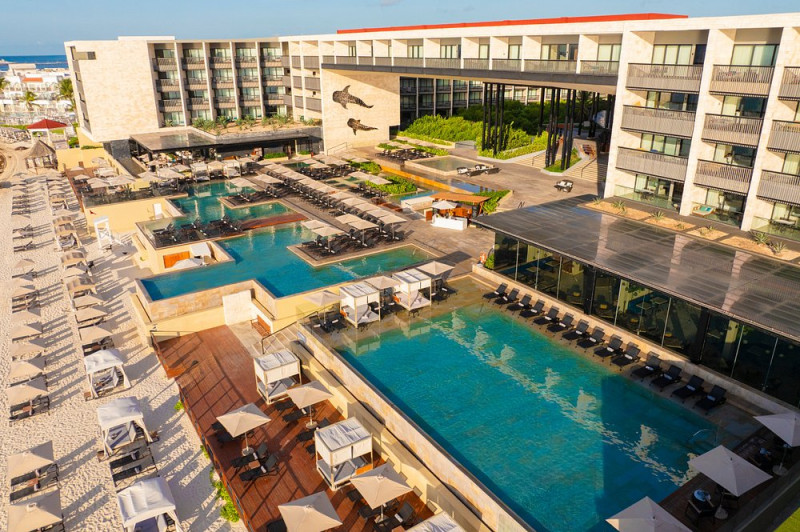
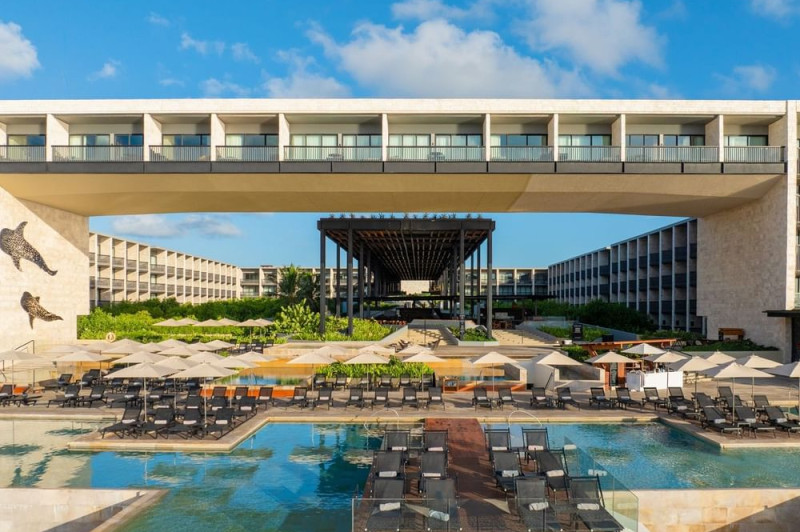
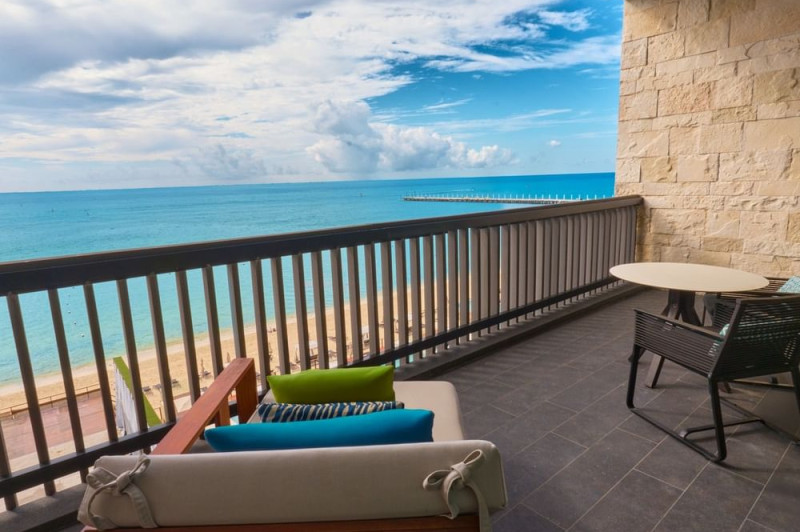
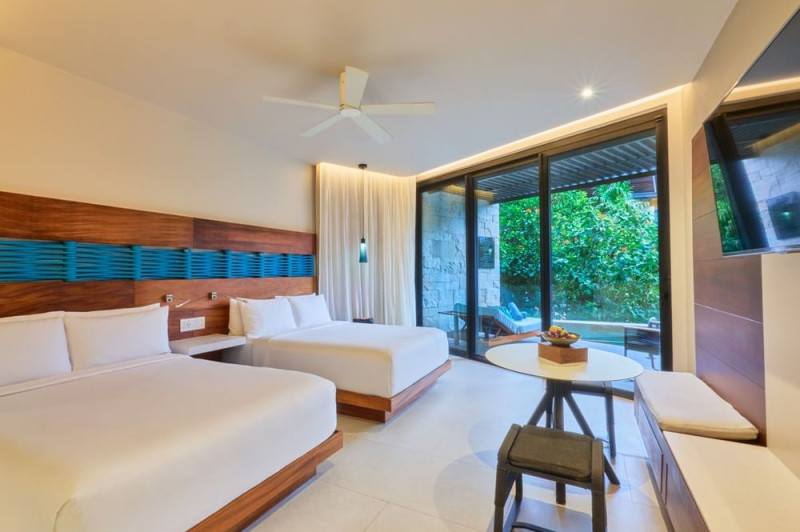
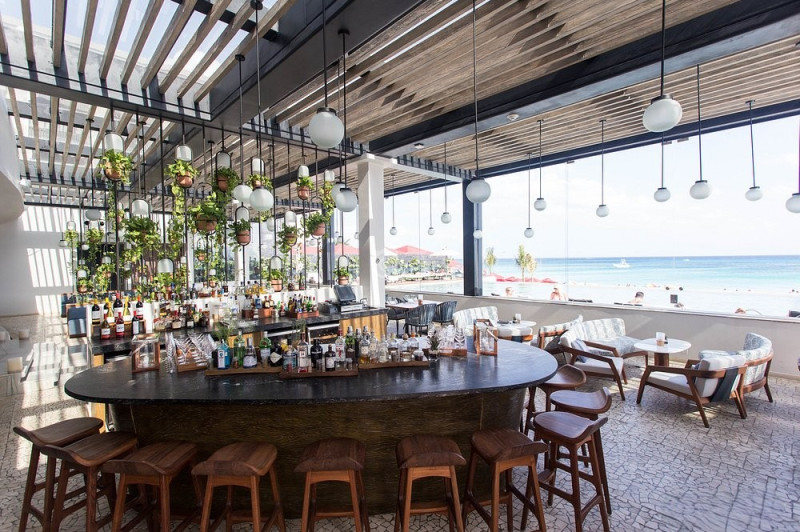
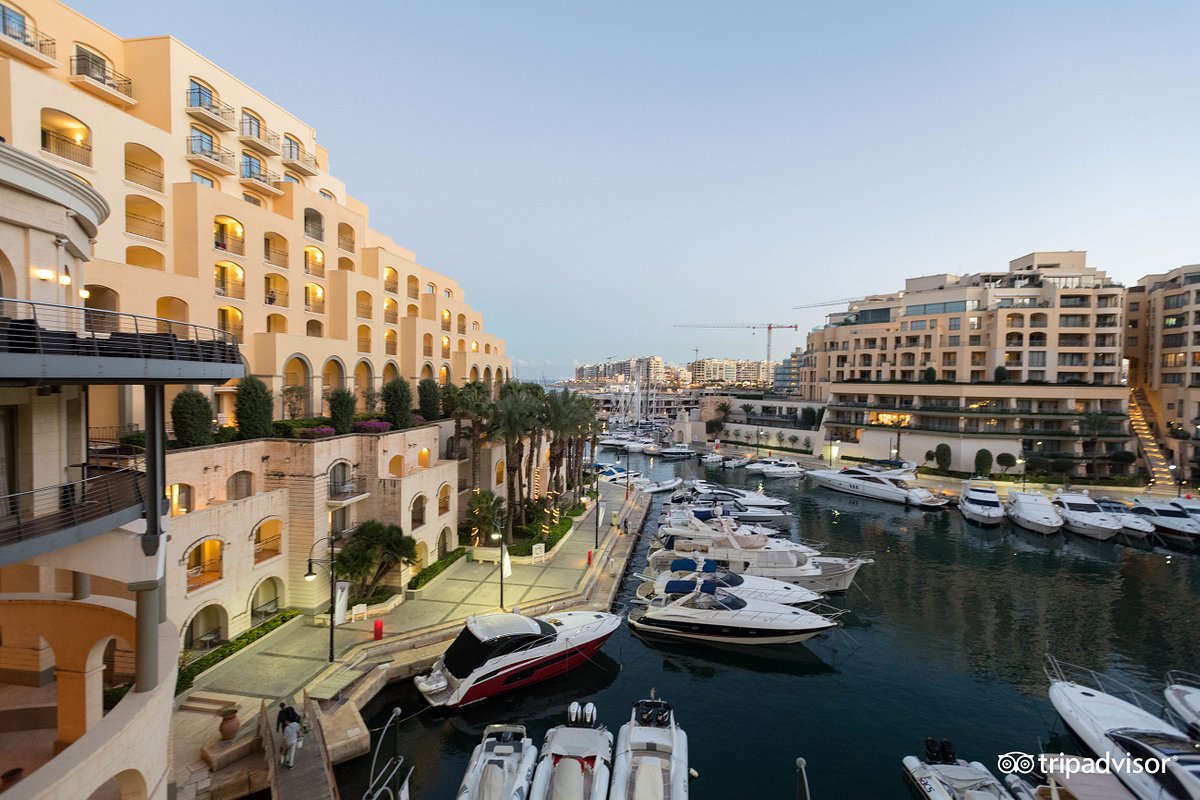
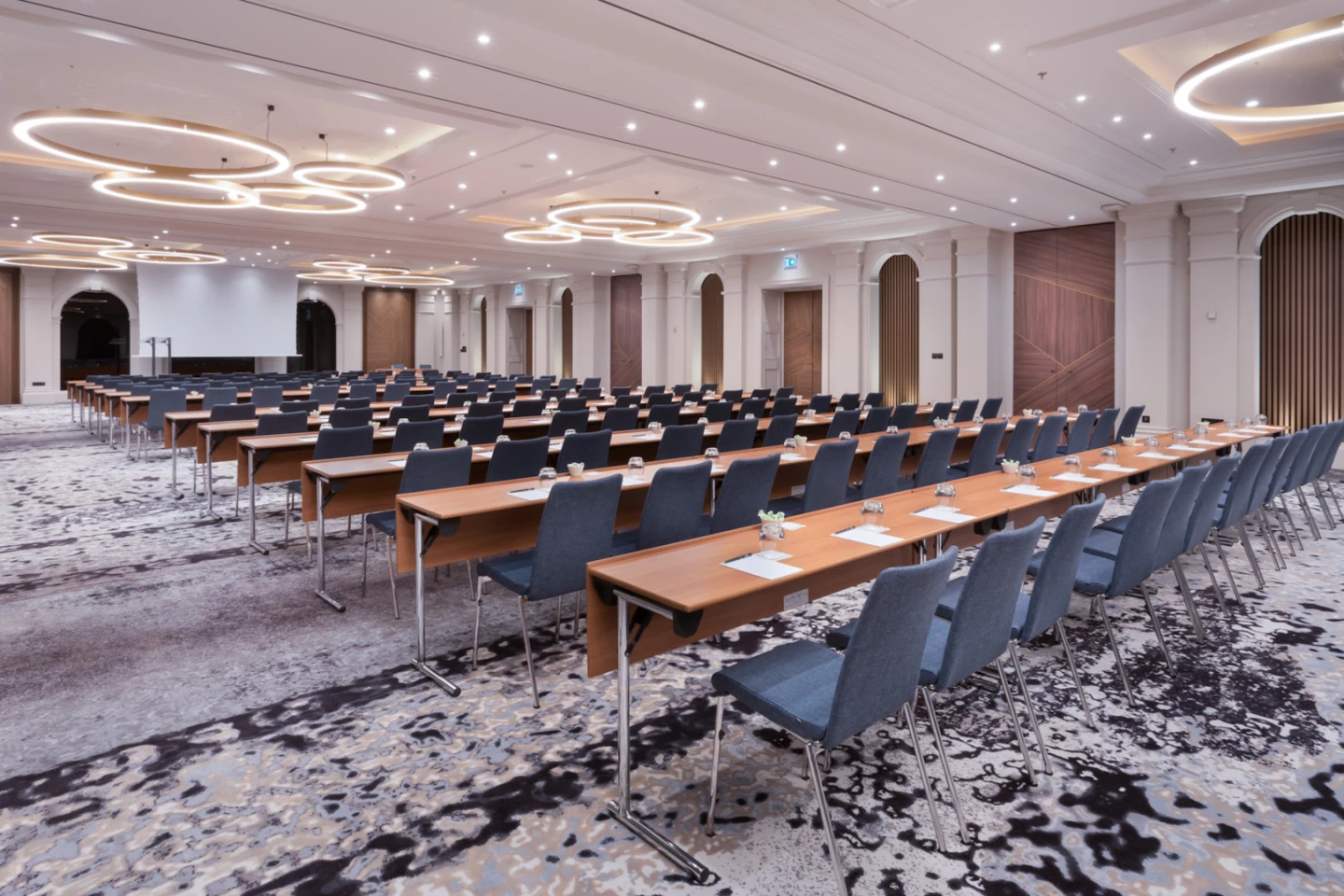
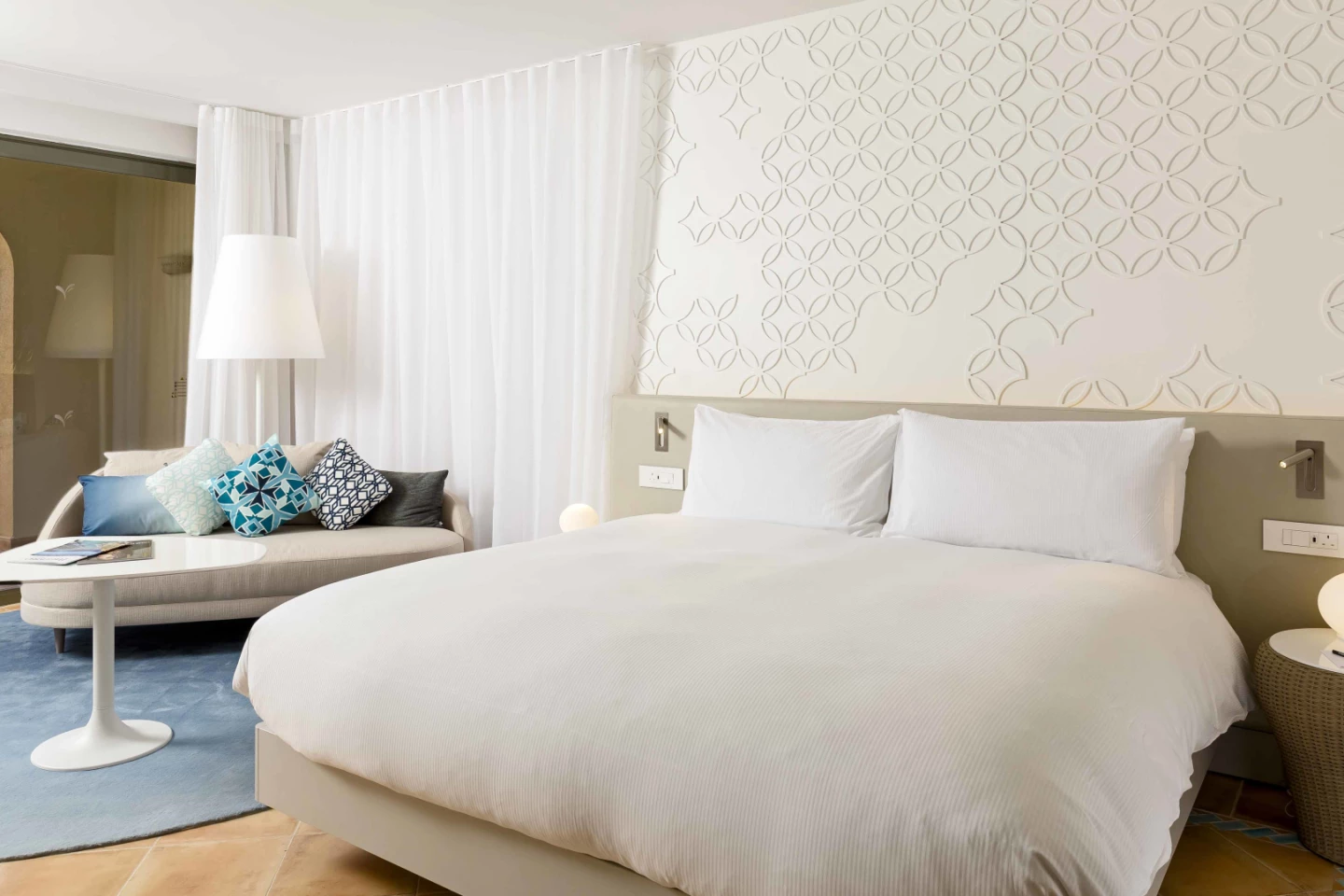
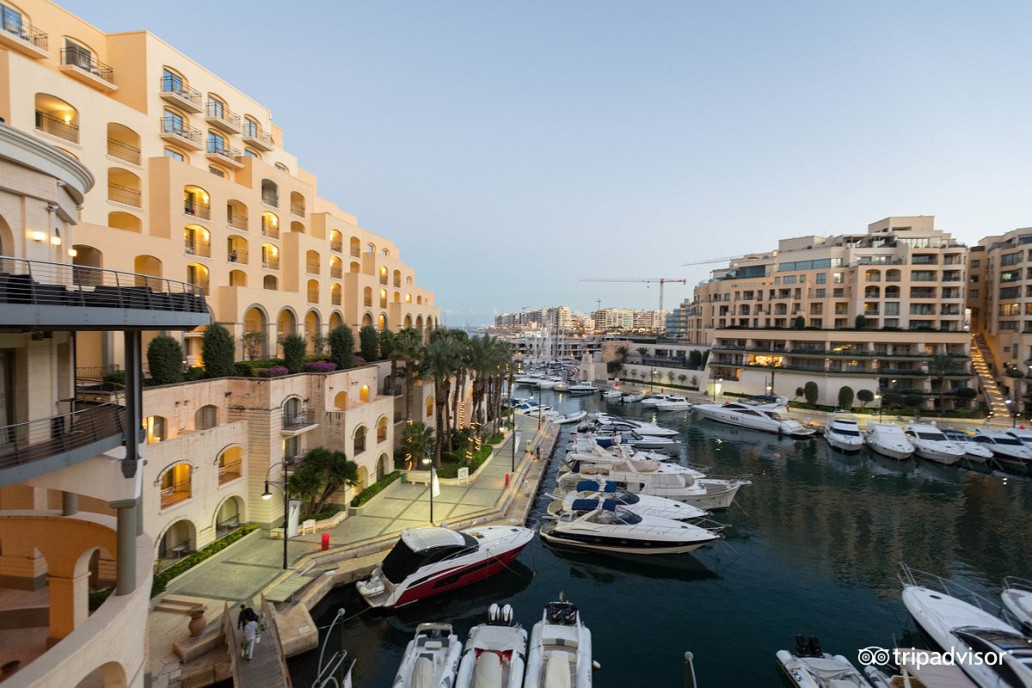
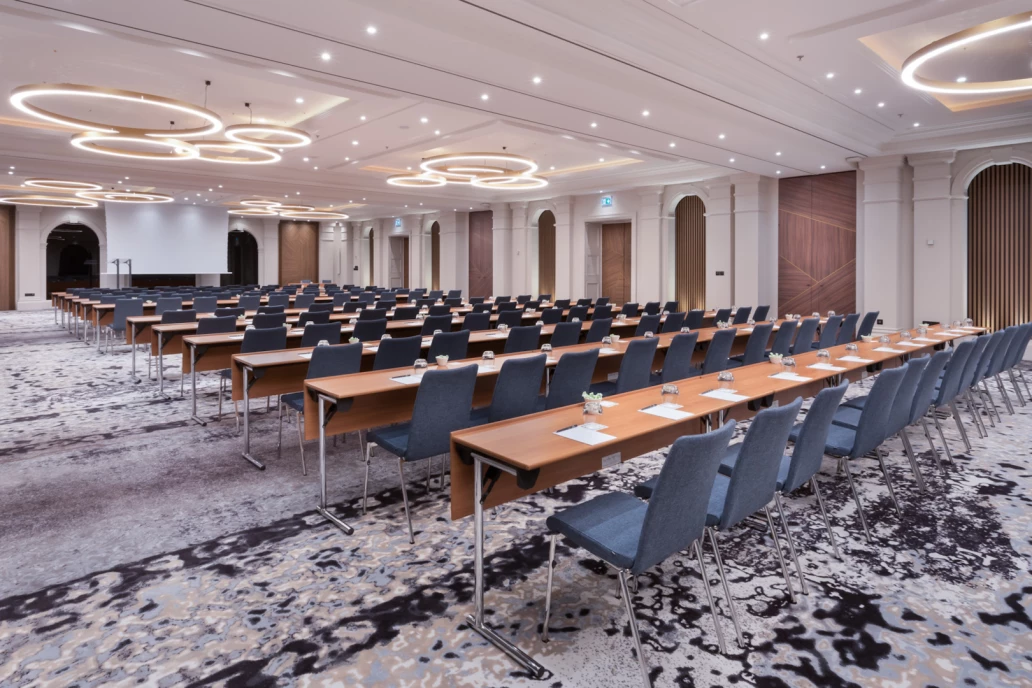
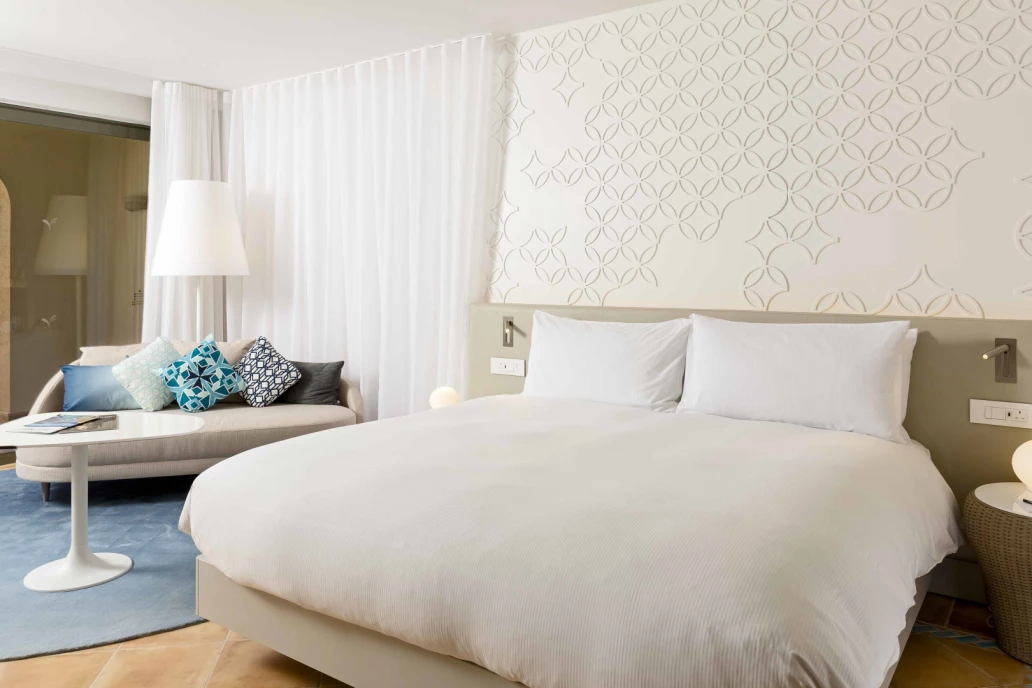
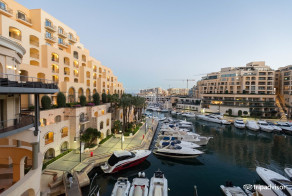
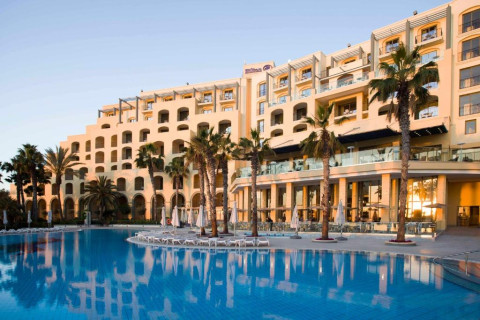
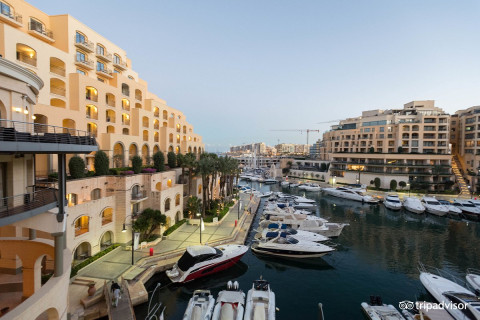
Located only 15 minutes from the ancient capital city of Valletta, a UNESCO World Heritage Site, Hilton Malta is an oceanfront resort overlooking the stunning Portomaso Marina in St. Julian’s. With modern amenities, scenic views, and a tranquil atmosphere, it offers the perfect balance between professional functionality and easy access to local culture and history.
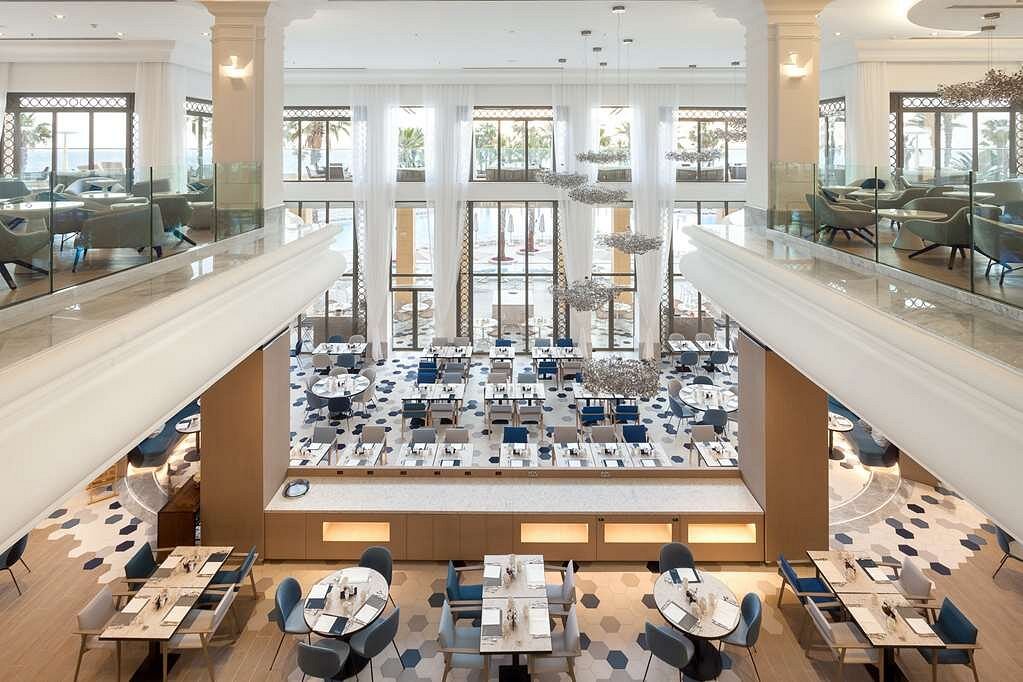
This is not an all-inclusive property, but our registration packages include a full food and beverage package during the conference period. Breakfast remains at leisure, however, the more intimate hotel setting allows us to host group lunches and dinners, providing an ideal environment for focused discussions, so attendees can continue to network and brainstorm outside of planned sessions.
For those who wish to stay extra nights either side of the conference, rates will be bed and breakfast only, so attendees have the freedom to explore local dining experiences and authentic cuisine.
Hotel facilities include;
• Complimentary Wi-Fi in guest rooms and throughout hotel and conference areas
• 4 Seasonal Outdoor Pools
• Spa with Indoor Swimming Pool
• Fitness Center and Tennis Court
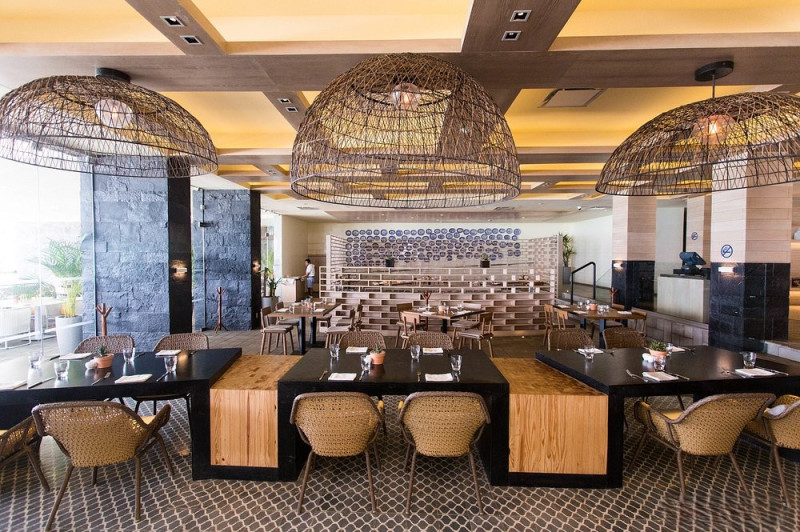
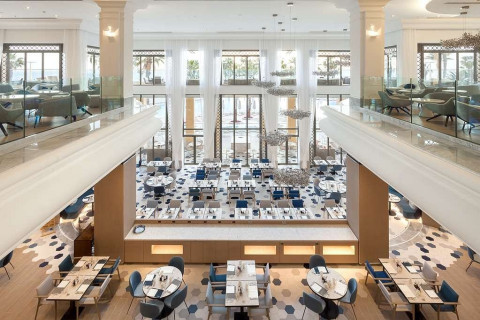
• 3 Restaurants
• 2 Bars


General Information
Conference Currency
Euro (EUR)
Address
Vjal Portomaso St Julian's PTM, 01, Malta
Nearest Airport
Malta International Airport
Location
The Hilton Malta overlooks the stunning Portomaso Marina in St. Julian’s. This beautiful hotel is located only 15 minutes from the ancient capital city of Valletta, a UNESCO World Heritage Site.
Gallery

If you are interested in this meeting but not yet ready to register, you can sign up for updates here and our team will keep you updated regarding deadline reminders and grant opportunities relating to this meeting only.
Gold Sponsors
Bronze Sponsors
Media Partners
If you're interested in sponsoring this conference please contact us.
Conference Manager

Rosie Johnson
Need some help? Chat to the Fusion team today
As a family run business, our dedication runs deep. We’re committed to each other and, even more so, to every attendee’s experience, delivering a level of care and passion that’s truly unmatched.