- Home
- Past Conferences
- Prokaryotic Cell Biology
Prokaryotic Cell Biology
#ProkaryoticCellBio
13 Jul - 16 Jul 2026
Lisbon, Portugal
-
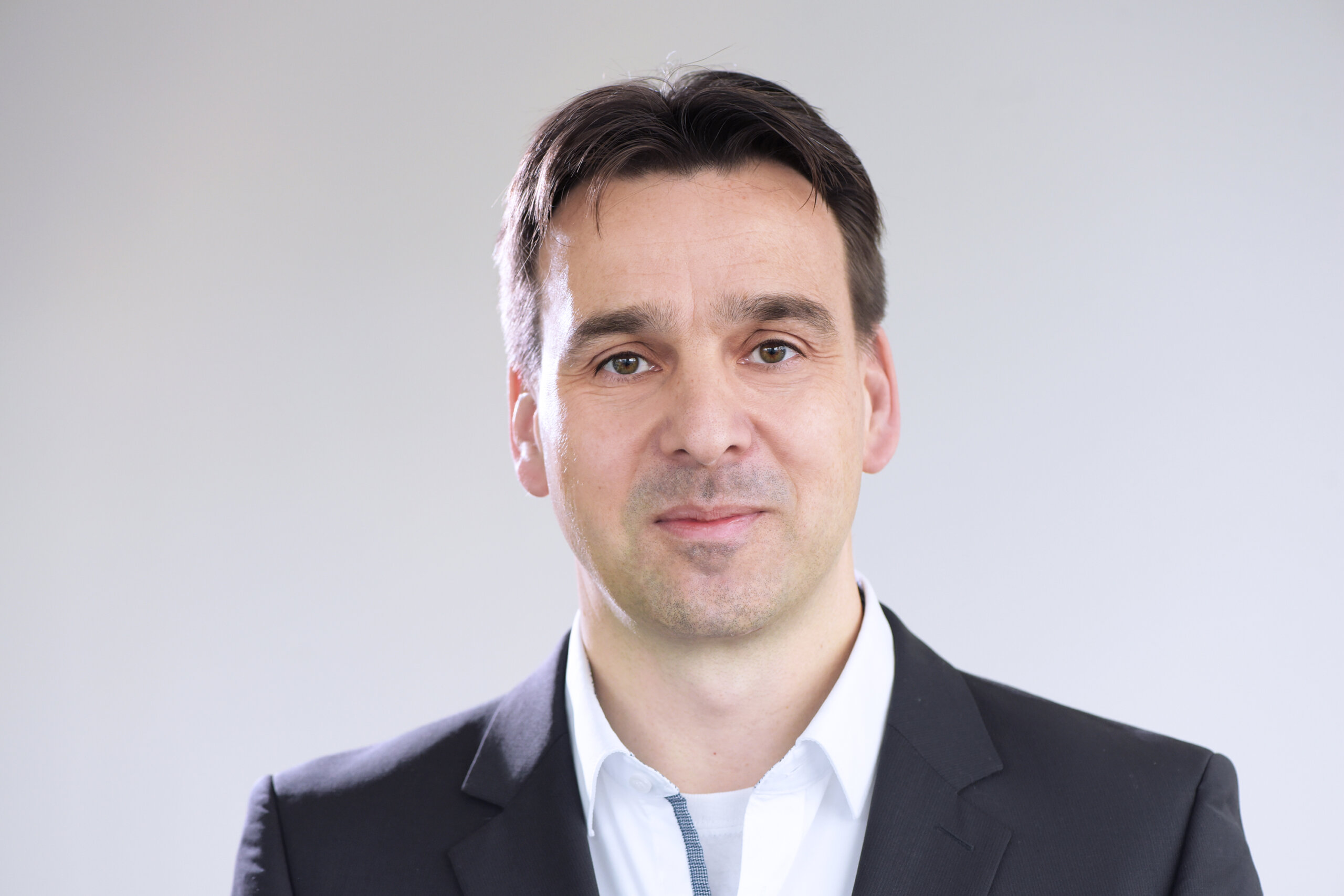
Marc Bramkamp
Kiel University
-
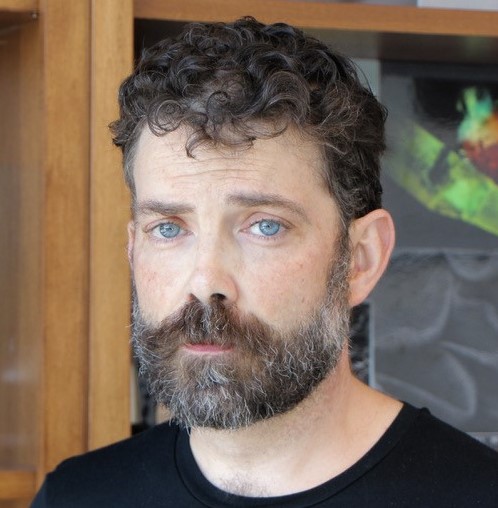
Ethan Garner
Harvard University
-

Heath Murray
Newcastle University
-
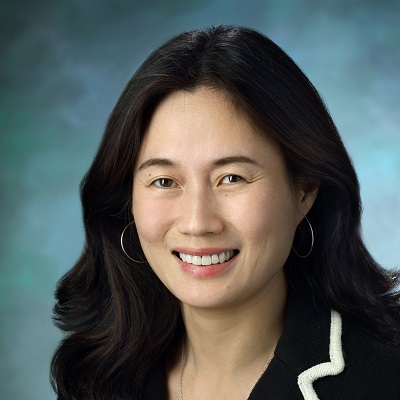
Jie Xiao
Johns Hopkins University
Early Bird - Expired • Talk Submission - Expired • Poster Submission - Expired • Registration & Payment Deadline - Expired
Report
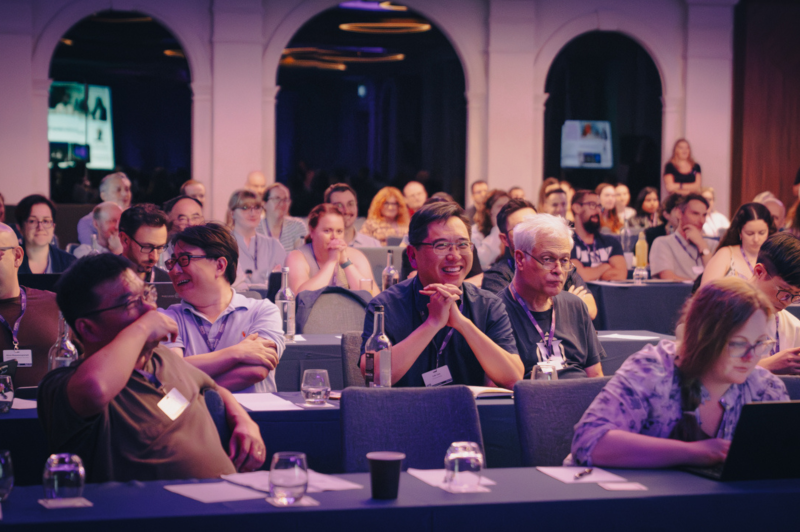
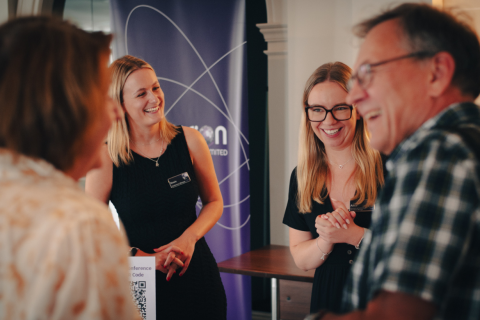
The 5th Prokaryotic Cell Biology conference in Lisbon, Portugal brought together over one hundred world-class scientists at the frontier of microbial cell structure and function. From chromosomes to cell envelopes to cell division, we were treated to a broad range of model organisms and cutting-edge experimental approaches. Especially noteworthy was the inclusion of archaea, with their fascinating cellular morphology and ancestral molecular structures.
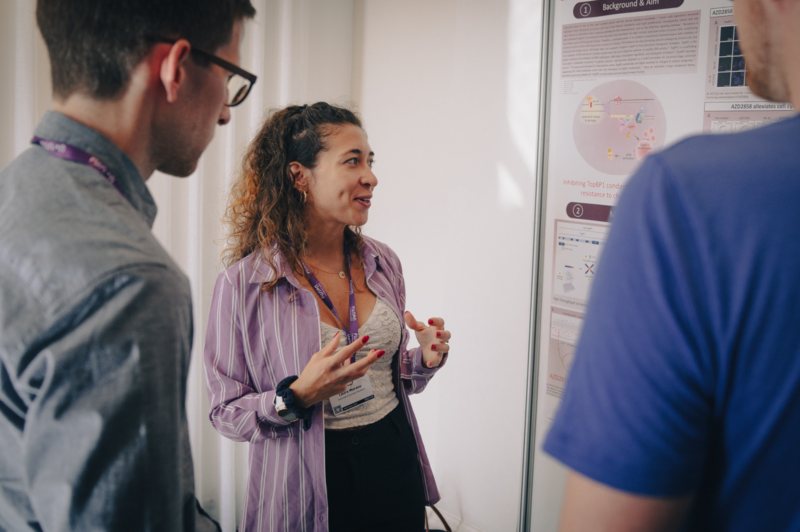
The quality of presentations from early career researchers was truly inspiring, with their passion and enthusiasm mixing perfectly with the profound knowledge provided by leading figures in the field (Jacobs-Wagner, Errington, Brun, Löwe, Briegel, Elf, and Pinho). We are grateful to the Federation of European Microbiological Societies, the European Molecular Biology Organization and Kiel University Life Sciences for generously supporting many of the early career researchers that attended the meeting.
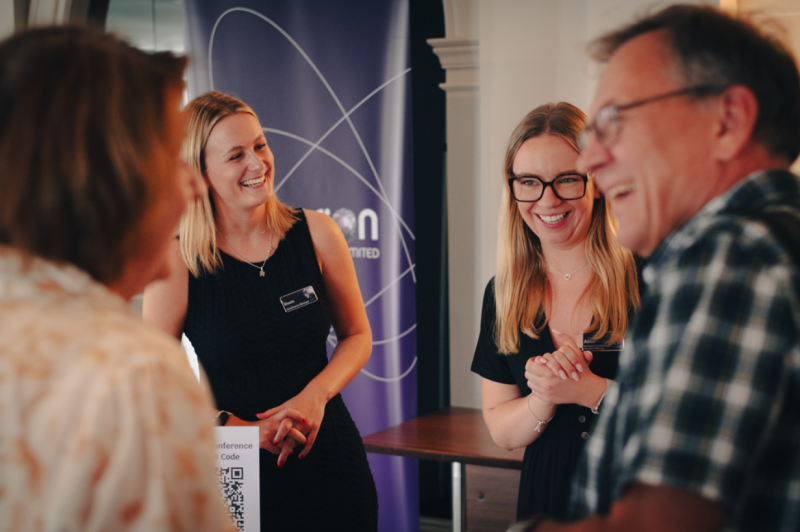
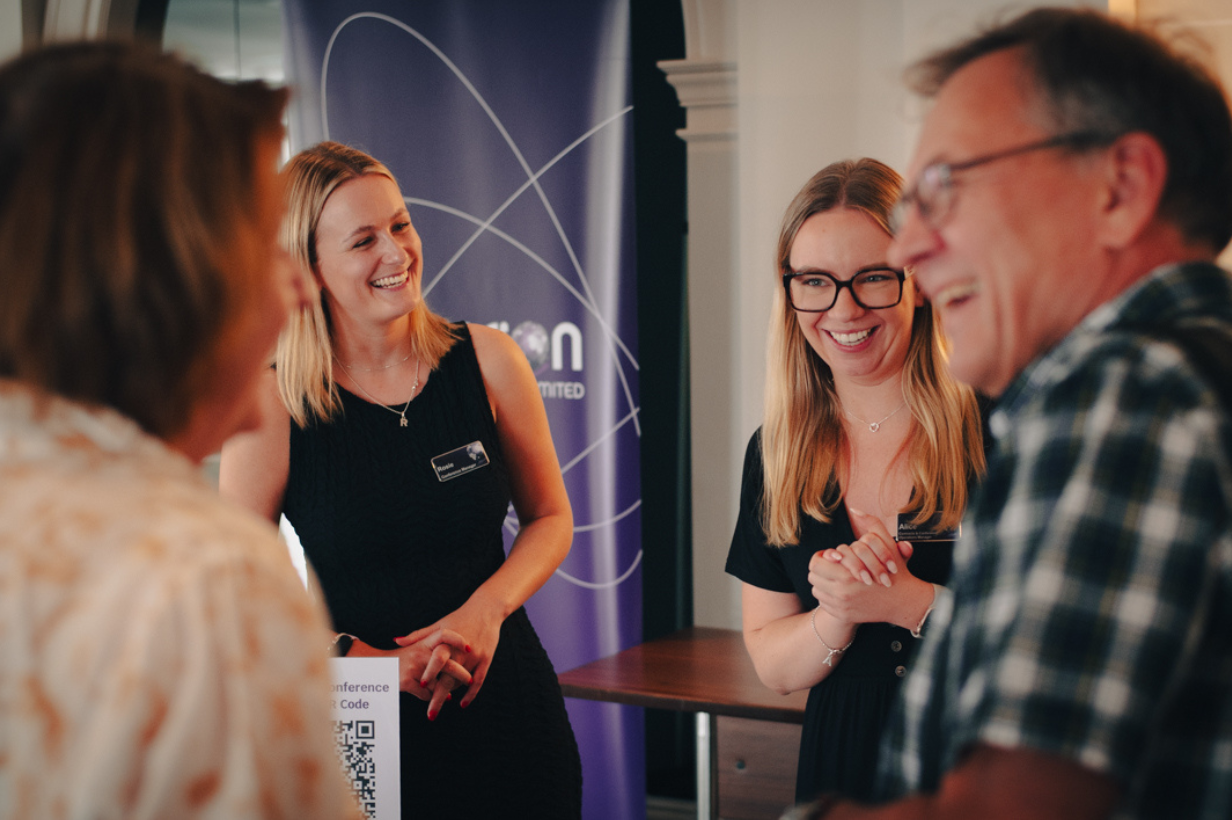
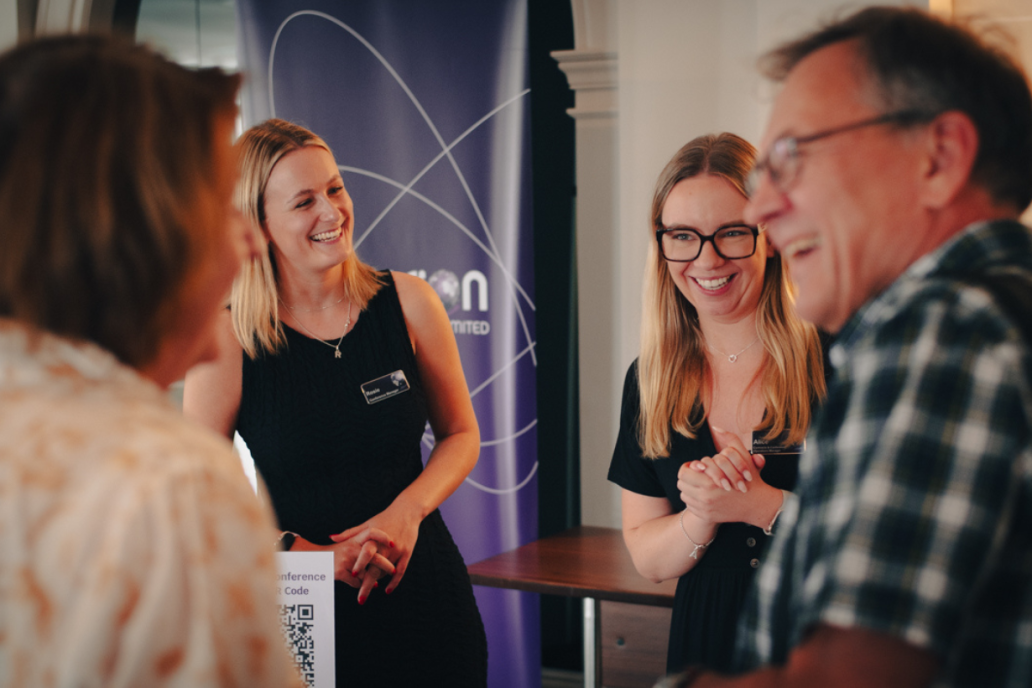
We are also thankful to the Fusion team who organised a wonderful venue for the conference and efficiently ran the proceedings. We hope that everyone spreads the word about the Prokaryotic Cell Biology conference and joins us for the next instalment of this amazing series!!
Synopsis
Over the last two decades, there has been a significant surge in interest in the fundamental aspects of bacterial and archaeal structure and function, driven by advances in fluorescence and cryo-EM imaging. Quantitative and automated methods have brought about radical changes in the breadth and depth of questions that could be explored, while genome sequencing and genetic methods such as CRISPR-Cas9 and Tn-Seq have greatly expanded the range of organisms that can be studied incisively, enabling comparative studies of processes such as growth, morphogenesis, and division, across diverse prokayotic phyla. Many of these prokaryotic cell biology systems are being successfully reconstituted using purified components, leading to the discovery of molecular mechanisms underpinning cellular functions. The conference will bring together presentations that illustrate the application of advanced cell and molecular biology methods to a wide range of fundamental functions in prokaryotic cells. Advances in understanding the fundamentals of bacterial and archaeal structure and function also create opportunities for the development of novel approaches to kill pathogens or modulate the growth and behaviour of synthetically engineered strains.
Key Sessions
- Advances in Nanoimaging
- Cell Envelope Dynamics and Division
- Cell Growth and Cell Cycle
- Cell Shape and Morphogenesis
- Genome Organization, Replication, and Expression
- Spatial Organization of Cellular Structures
Confirmed Invited Speakers
Sonja-Verena Albers (University of Freiburg)
ORGANIZATION OF THE ARCHAEAL DIVISOM
Georgina Benn (University of Oxford)
ORGANISATION OF THE E. COLI OUTER MEMBRANE
Thomas Bernhardt (Harvard University)
CONTROL OF POLAR CELL ELONGATION IN ACTINOBACTERIA
Ariane Briegel (Institut Pasteur)
TOWARDS NANOSCALE IMAGING OF HOST-MICROBE INTERACTIONS
Yves Brun (Université de Montreal)
THE ROLE OF DYNAMIC PILI IN BACTERIAL ADHESION
Jeff Errington (The University of Sydney)
REPURPOSING A PLASMID SEGREGATION PROTEIN DURING A MAJOR BACTERIAL EVOLUTIONARY SHIFT
Simon Foster (University of Sheffield)
STAPHYLOCOCCUS AUREUS CELL DIVISION: IN SICKNESS AND IN HEALTH
Séamus Holden (University of Warwick)
MOLECULAR MECHANISMS AND PHYSIOLOGICAL CONSEQUENCES OF ELONGASOME TUG-OF-WAR
Georgia Isom (University of Oxford)
COORDINATION OF OUTER MEMBRANE AND CELL WALL SYNTHESIS VIA PHOSPHOLIPID TRANSFER PROTEIN YhdP
Buse Isbilir (University of Cambridge)
ARCHITECTURE AND ASSEMBLY OF MICROBIAL SURFACE LAYERS
Christine Jacobs-Wagner (Stanford University/HHMI)
IMAGING ANTIMICROBIAL PEPTIDES IN ACTION
Geraldine Laloux (UC Louvain)
ORGANIZING A BACTERIAL CELL FOR PREDATION
Jan Lowe (MRC Laboratory of Molecular Biology)
ASGARD ARCHAEAL ORIGIN OF MICROTUBULES
Nika Pende (University of Vienna)
PLOIDY, ORIENTATION AND CHROMOSOME SEGREGATION IN METHANOGENS
Tessa Quax (University of Groningen)
VIRAL INFECTION OF HALOARCHAEA
Susan Schlimpert (John Innes Centre)
CLEARING THE WAY FOR DIVISION: A NOVEL FtsK/SpoIIIE FAMILY PROTEIN LINKS DNA SEGREGATION TO SPORULATION IN STREPTOMYCES
Sloan Siegrist (University of Massachusetts Amherst)
THE INS AND OUTS OF THE MYCOBACTERIAL CELL ENVELOPE
Victor Sourjik (Max Planck Institute for Terrestrial Microbiology)
DIFFUSIONAL PROPERTIES OF BACTERIAL CYTOPLASM
Benjamin Springstein (Institute of Science and Technology Austria)
REPURPOSING OF A DNA SEGREGATION MACHINERY INTO A CYTOSKELETAL SYSTEM CONTROLLING CELL SHAPE
Elitza Tocheva (University of British Columbia)
BamA SELF-INSERTION DRIVES INNER-TO-OUTER MEMBRANE REMODELLING IN DIDERM FIRMICUTES
Patrick Viollier (University of Geneva)
GLYCAN CONTROL OF FLAGELLATION
Jean-Marie Volland (UC Santa Barbara)
CHALLENGING SIMPLICITY: THE INTRICATE CELLULAR ARCHITECTURE OF LARGE SULFUR BACTERIA
Anne Marie Wehenkel (Institut Pasteur)
MECHANISTIC INSIGHTS INTO SCAFFOLDING PROTEINS LINKED TO CELL DIVISION AND ELONGATION IN MYCOBACTERIALES
Target Audience
The conference will attract major players in the field of prokaryotic cell biology, which comprises ~100 significant groups worldwide. It will also attract many microbiologists with a general interest in microbial cell function who would badge themselves as molecular biologists or microbial biochemists. Talks will cover a wide range of topics, and graduate trainees, postdoctoral fellows, and academic and industry group leaders will be brought up to date with the newest developments across the discipline.
Educational Need
Prokaryotic cell biology underpins important applied research areas, such as infectious disease, antimicrobial discovery and development, and synthetic biology; however, it is rarely taught as a discipline in its own right, especially with the decline of offered degrees in microbiology. The modern discipline, which has emerged over the last 30 years, encompasses a wide range of technical methods and can be highly quantitative, covering a diversity of organisms and mechanistic problems. The conference presentations will collectively provide a comprehensive grounding in all major facets of the field, bringing new participants to the field at all levels (pre- and post-doctoral, as well as group leaders switching fields).
Confirmed Speakers
Chairs
Marc Bramkamp
Kiel University
Ethan Garner
Harvard University
Heath Murray
Newcastle University
Jie Xiao
Johns Hopkins University
Invited Speakers
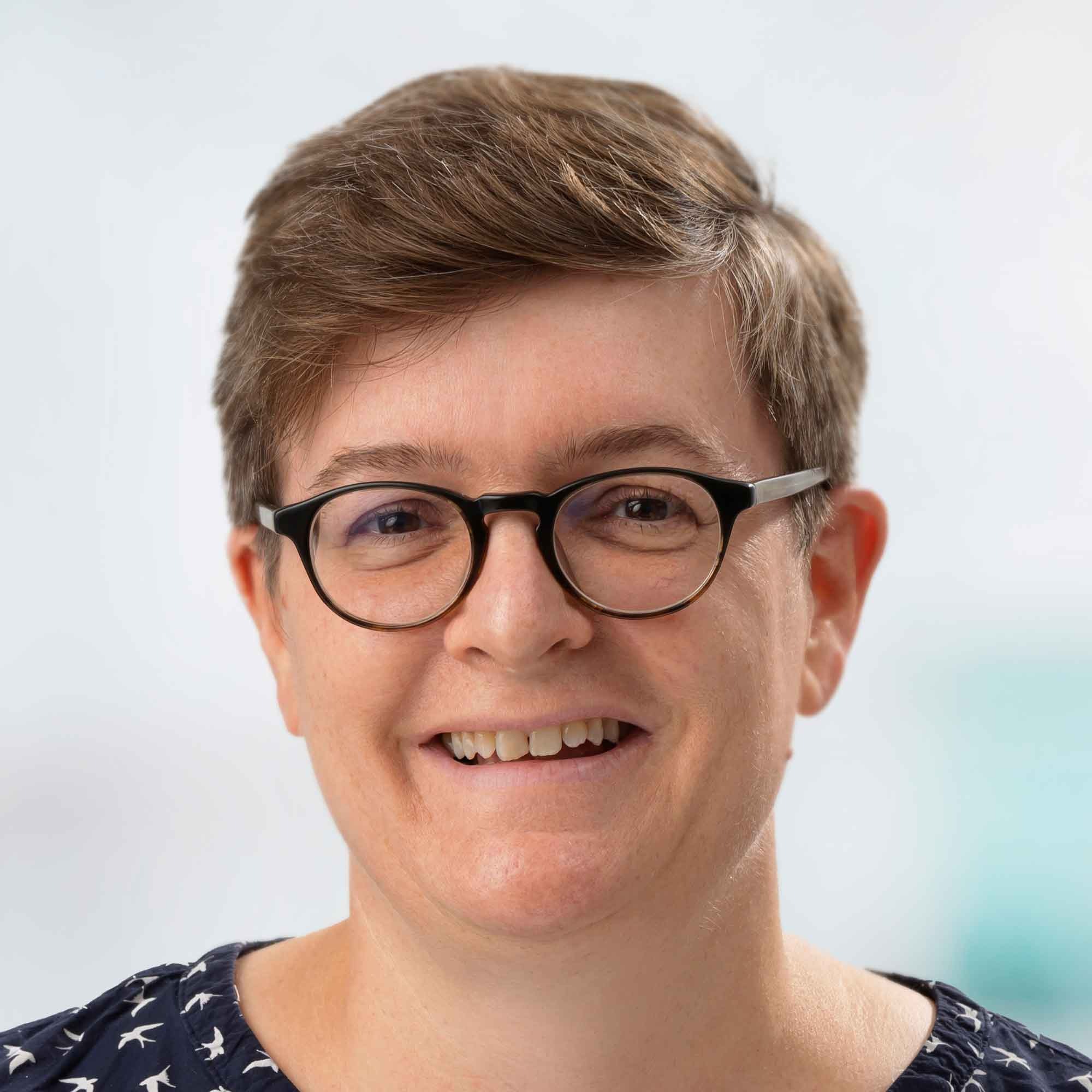
Sonja-Verena Albers
University of Freiburg
Georgina Benn
University of Oxford
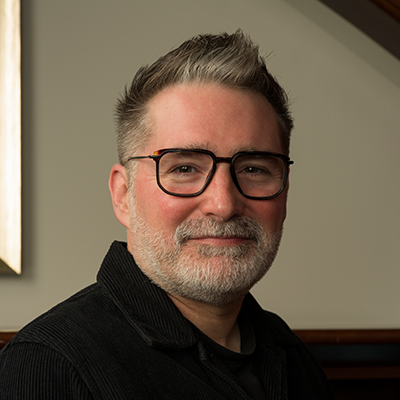
Thomas Bernhardt
Harvard University
Ariane Briegel
Institut Pasteur
Yves Brun
Université de Montreal
Jeff Errington
The University of Sydney
Simon Foster
University of Sheffield

Séamus Holden
University of Warwick
Georgia Isom
University of Oxford
Buse Isbilir
University of Cambridge
Christine Jacobs-Wagner
Stanford University/HHMI
Geraldine Laloux
UC Louvain
Jan Lowe
MRC Laboratory of Molecular Biology
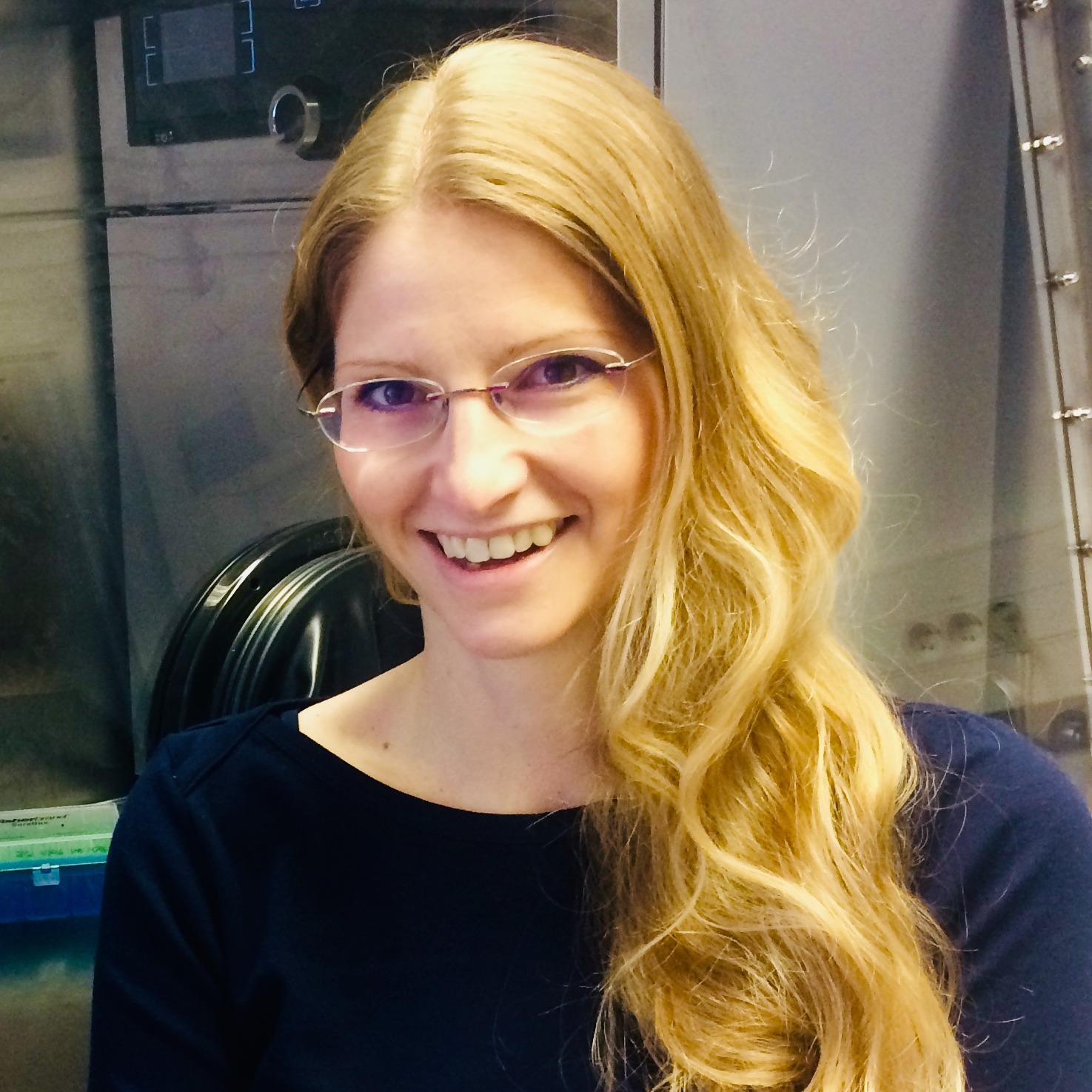
Nika Pende
University of Vienna
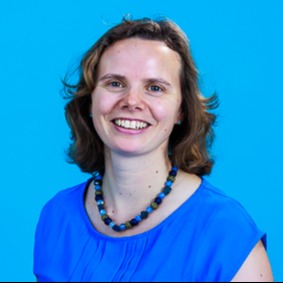
Tessa Quax
University of Groningen
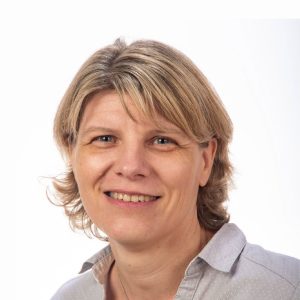
Susan Schlimpert
John Innes Centre

Sloan Siegrist
University of Massachusetts Amherst
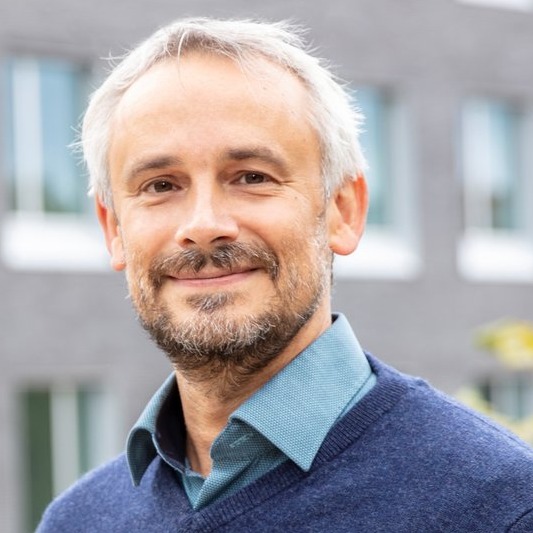
Victor Sourjik
Max Planck Institute for Terrestrial Microbiology

Benjamin Springstein
Institute of Science and Technology Austria
Elitza Tocheva
University of British Columbia
Jean-Marie Volland
UC Santa Barbara

Anne Marie Wehenkel
Institut Pasteur
Patrick Viollier
University of Geneva
Programme
Supported by


Venue & Location
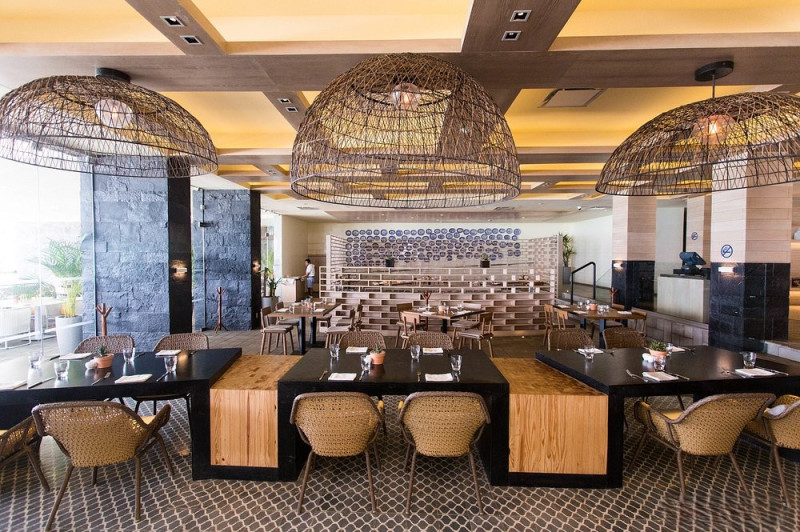
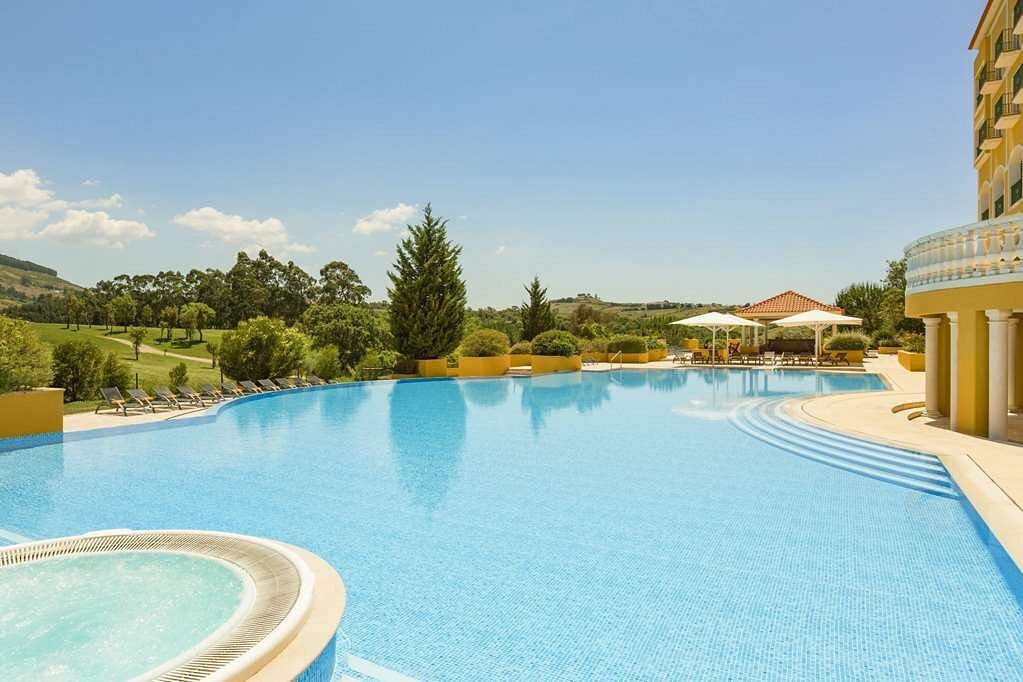
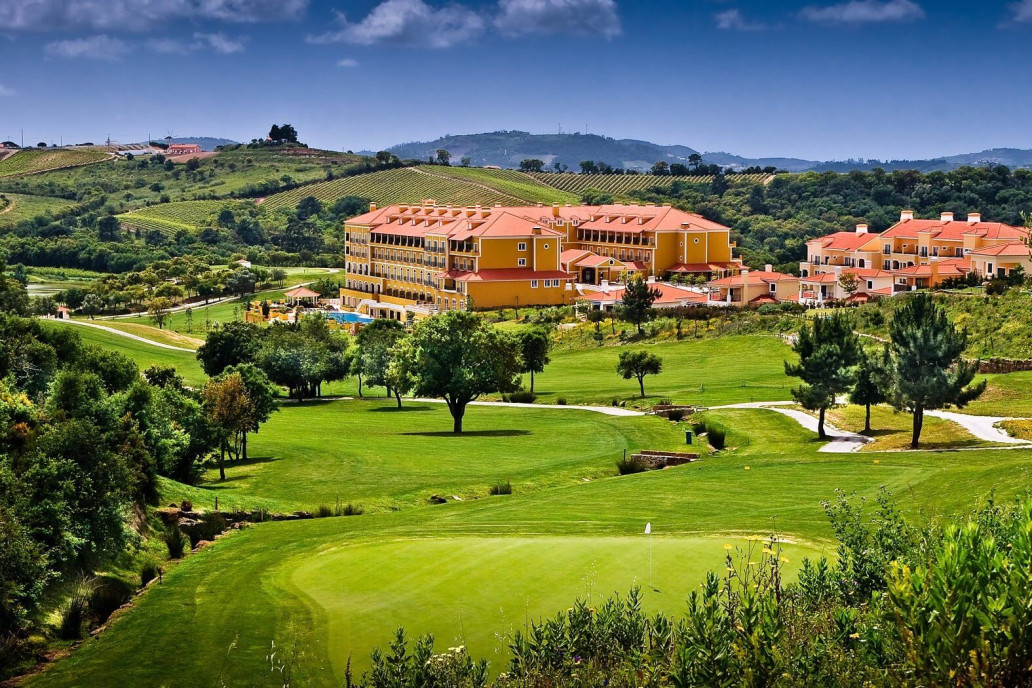
Dolce CampoReal Lisboa
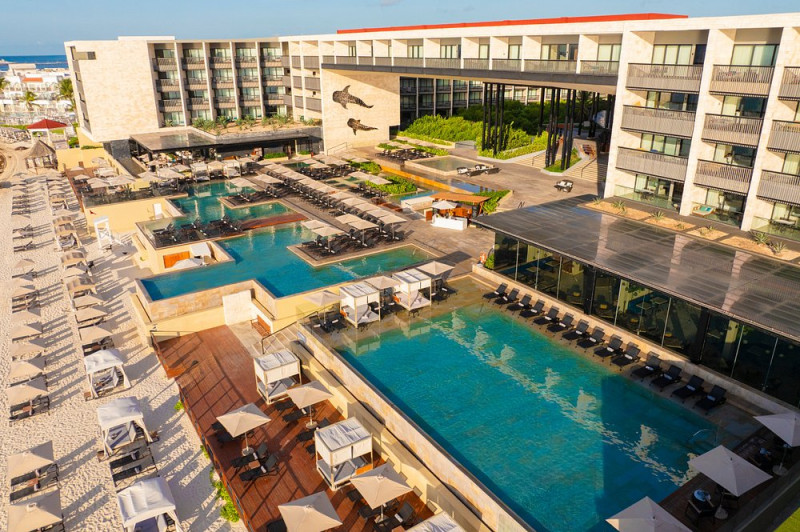
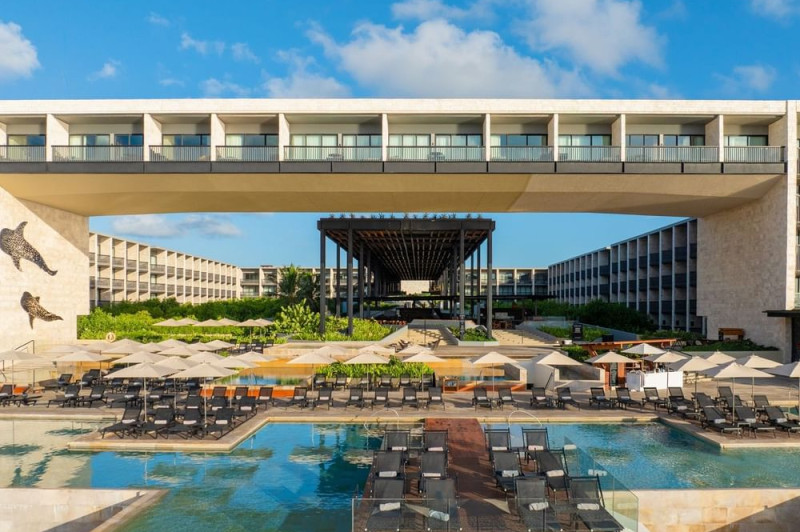
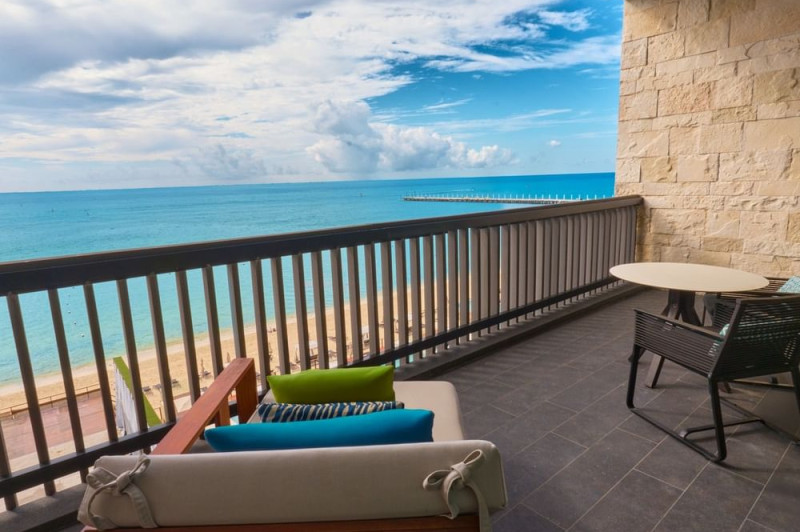
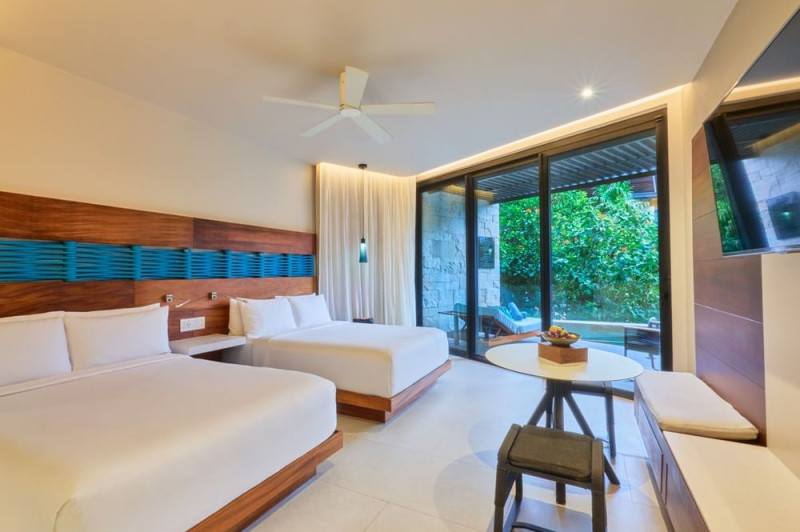
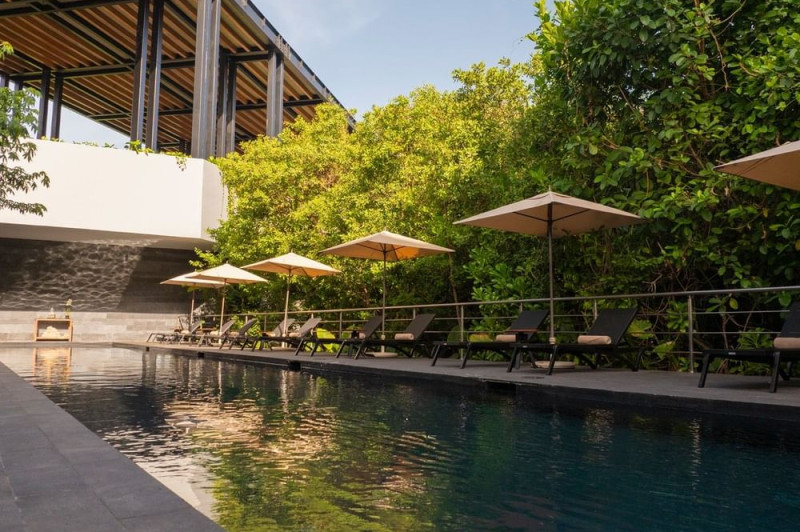
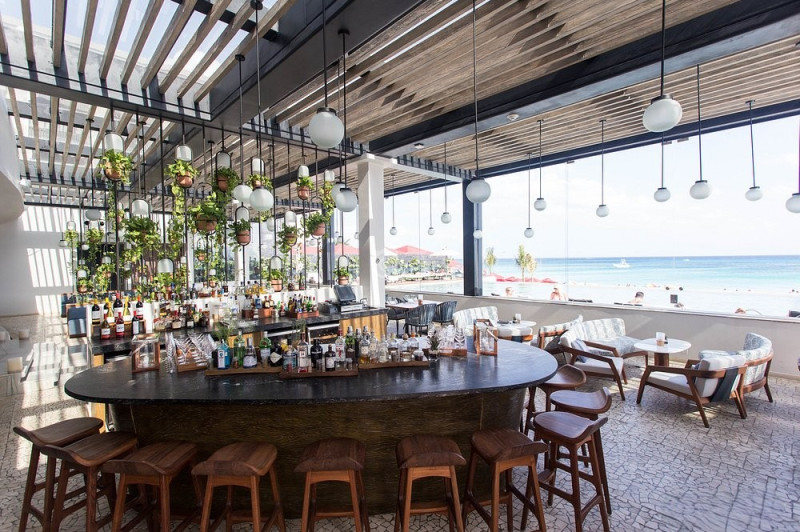
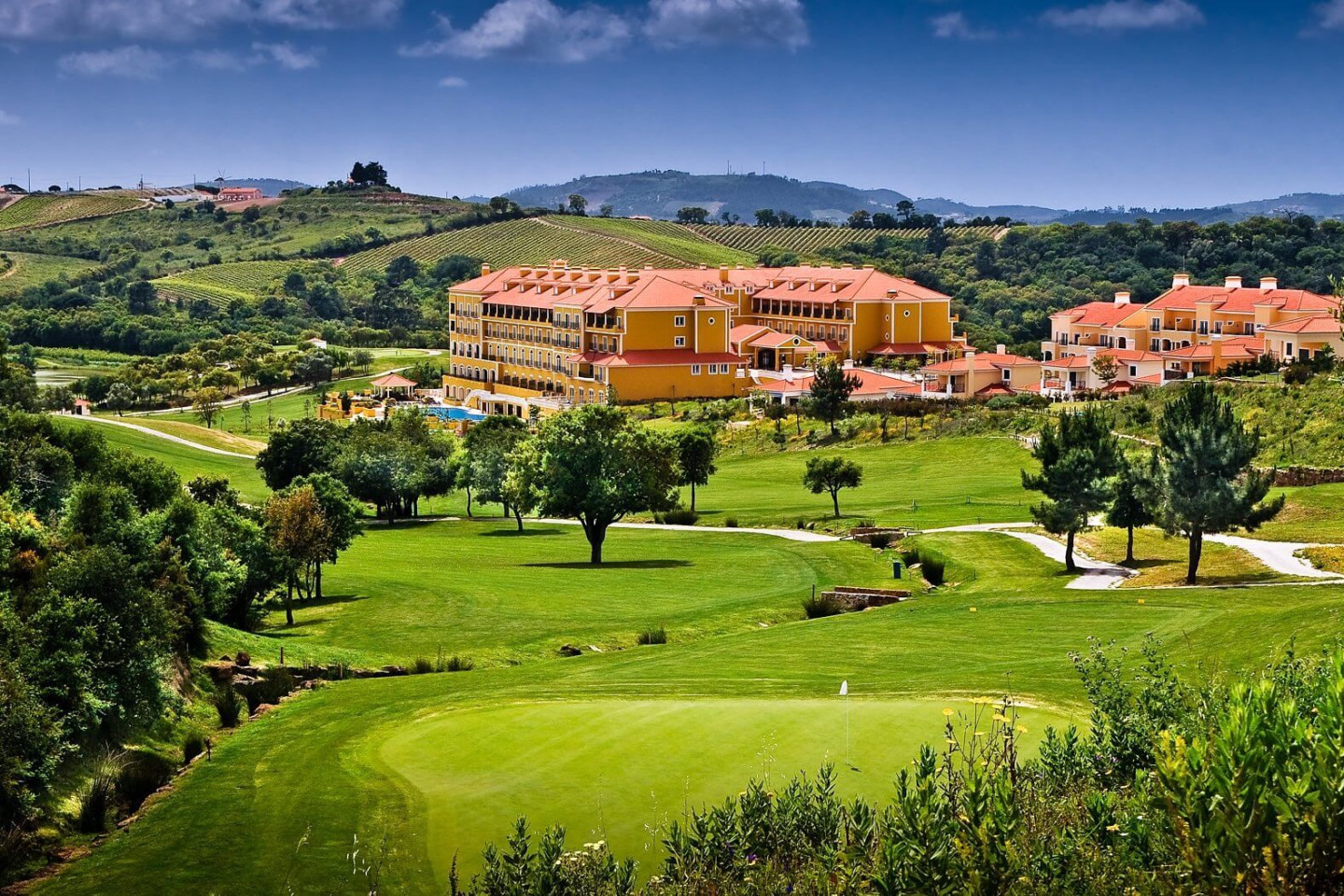
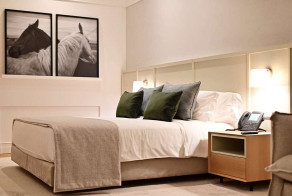
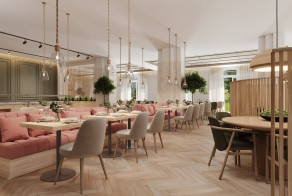
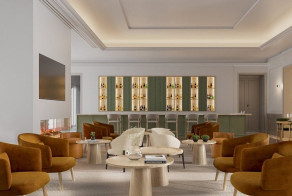
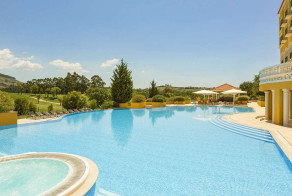
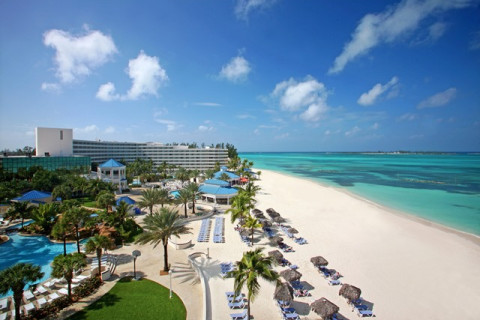
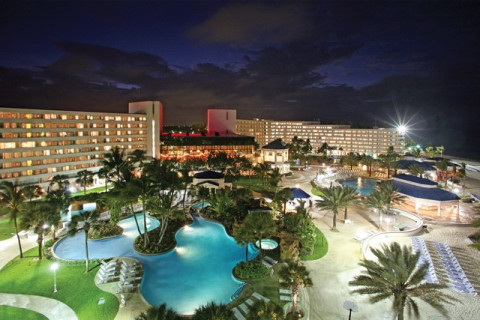
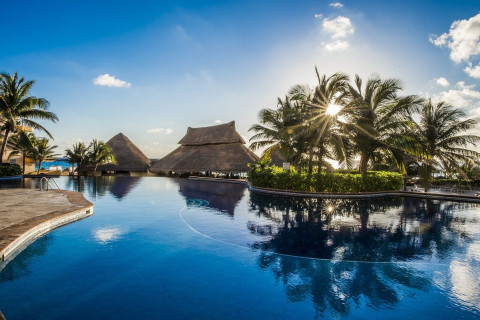
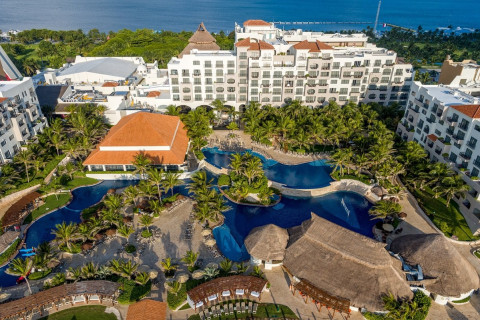
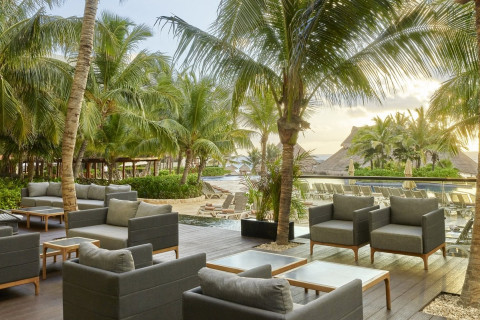
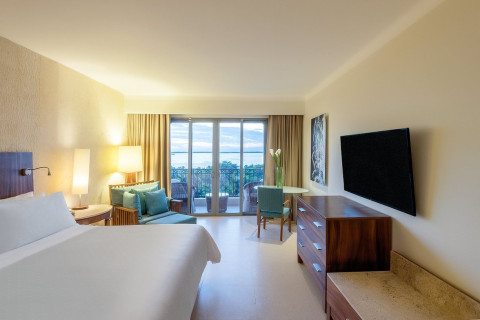
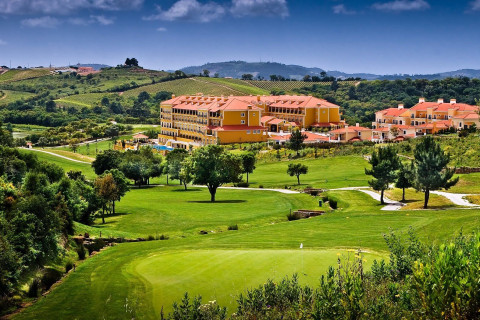
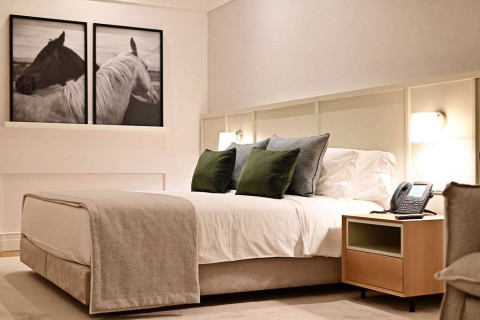
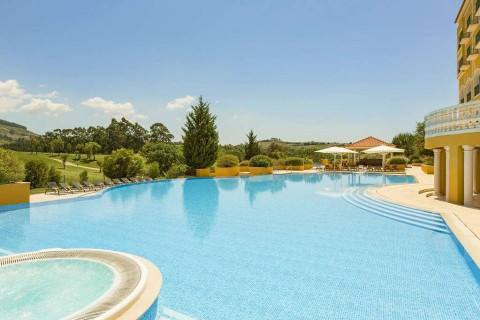
The Dolce CampoReal Lisboa is nestled in the scenic region of Torres Vedras, just 30minutes from the city of Lisbon. Set among the rolling hills and vineyards in the countryside, the hotel offers a focused and peaceful environment for conference sessions, whilst still only a short drive away from the hustle and bustle of the city, so attendees can take advantage of all Lisbon has to offer during free time.
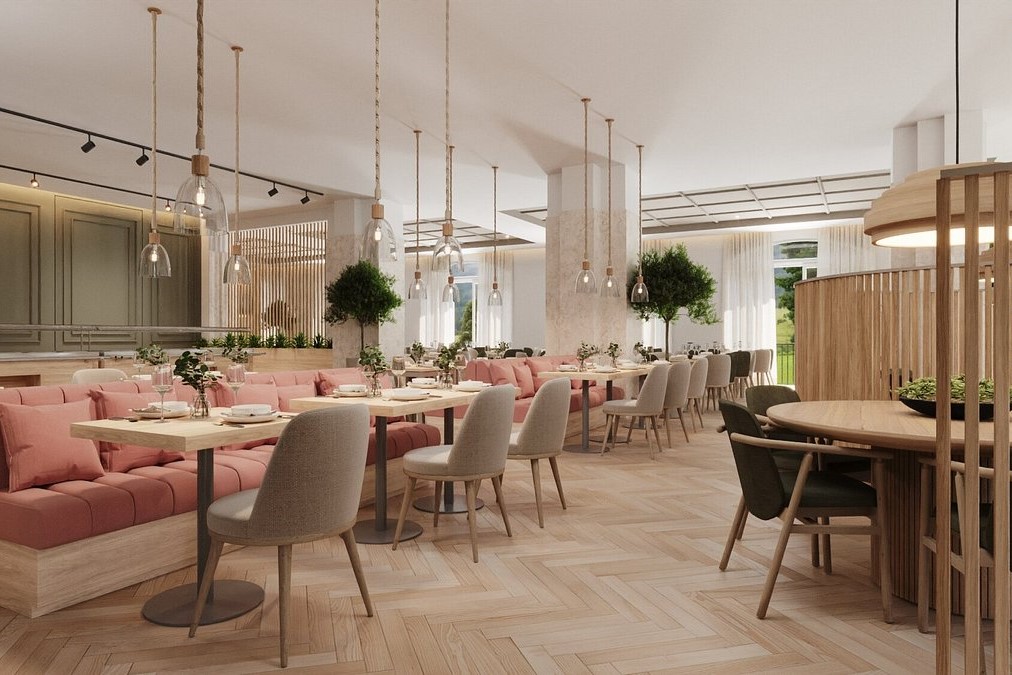
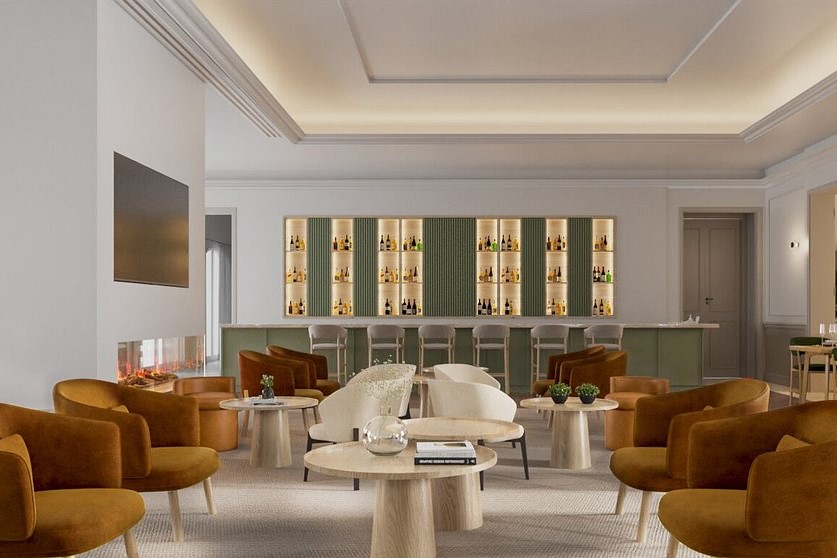
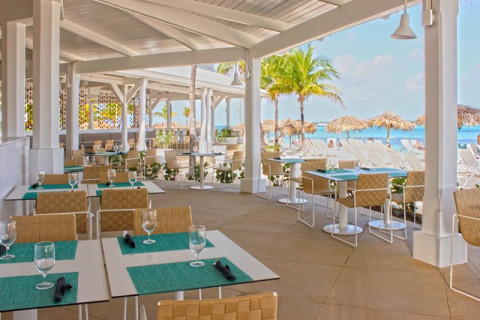
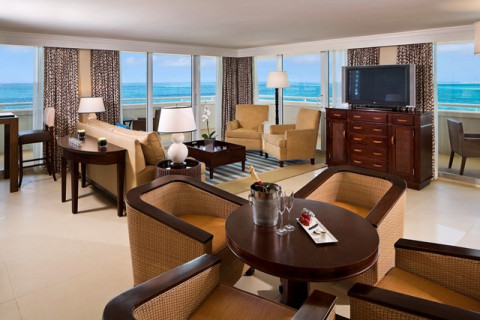
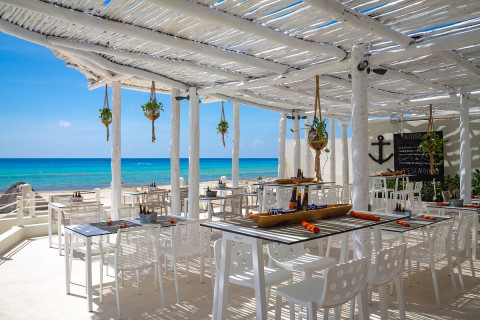
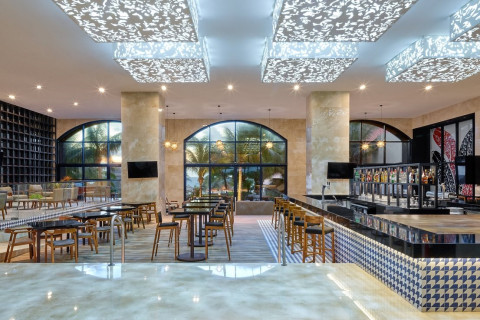
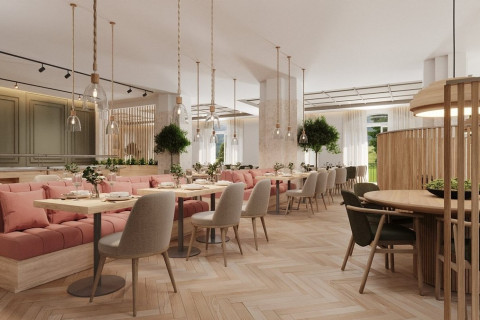
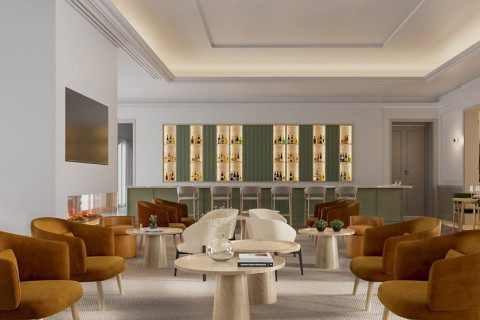
The venue has modern, flexible meeting spaces, and due to its smaller size, we are able to offer group dining experiences on each of the conference days, so ideas can continue to be exchanged in a relaxed and informal setting after sessions conclude. For those who need or wish to travel with family, a dedicated kids club and family friendly activities ensure you can balance both work and play.
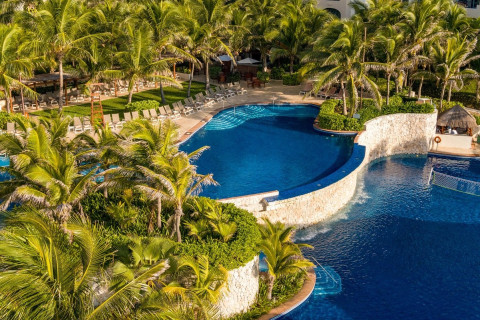
Outside of sessions, the hotel itself boasts a golf course, tennis courts and wellness facilities for both relaxation and recreation, and the surrounding area is perfect for scenic hikes or nature walks. With the venue nestled in one of Portugal’s renowned wine regions, delegates often enjoy visiting local vineyards for a wine tasting experience during free time.
The blend of both professional and personal experiences make it the perfect setting to reconnect with colleagues, relax with family, and fuel productive conversations to drive research forward.
General Information
Conference Currency
Euro (EUR)
Address
R. do Campo (Campo Real) 2565-770 Portugal
Nearest Airport
Lisbon Portela Airport
Hotel Facilities
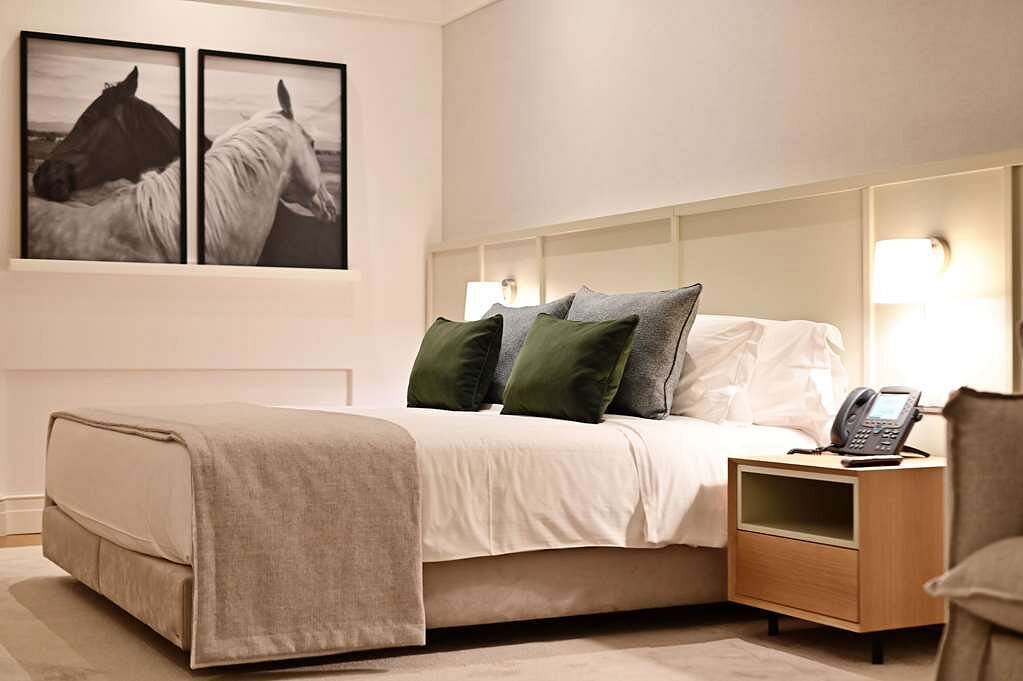
- Complimentary Wi-Fi in guest rooms and throughout hotel and conference areas
- Indoor heated swimming pool
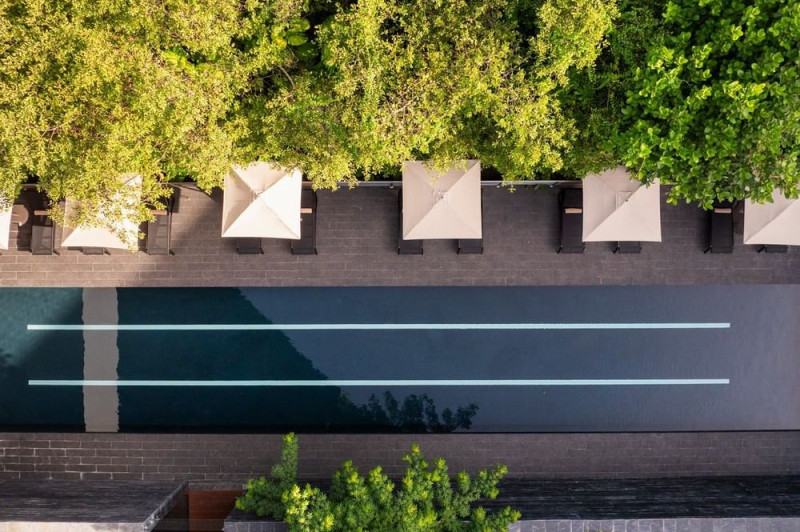
- Outdoor swimming pool with Jacuzzi
- Spa
- Gym
- Golf course
- 2 Tennis courts
Location
The Dolce CampoReal Lisboa is nestled between the vineyards and the extraordinary landscape of the Socorro and Archeira Mountains.
Lisbon is only a short 30-minute drive away. The Portuguese capital is constantly recognised as one of the greatest cities in the world, a claim confirmed by the “Lonely Planet Guides", who named Lisbon one of the world’s top 10 cities. Lisbon in one of the world’s oldest cities, predating the likes of London, Rome and Paris by hundreds of years. Hillsides covered in tumbledown houses and a mix of baroque and neoclassical buildings, including cathedrals and palaces, make up Lisbon’s skyline. The city is a combination of old and new, with beautiful modern buildings constructed near renovated historical landmarks and ruins.
Gallery

If you are interested in this meeting but not yet ready to register, you can sign up for updates here and our team will keep you updated regarding deadline reminders and grant opportunities relating to this meeting only.
Gold Sponsors
Bronze Sponsors
Media Partners
If you're interested in sponsoring this conference please contact us.
Conference Manager
Amy Johnson
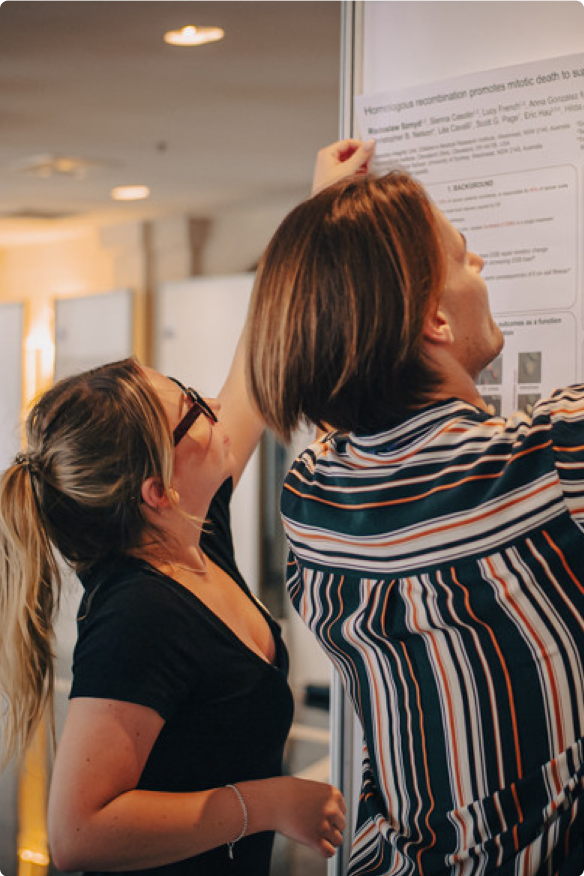
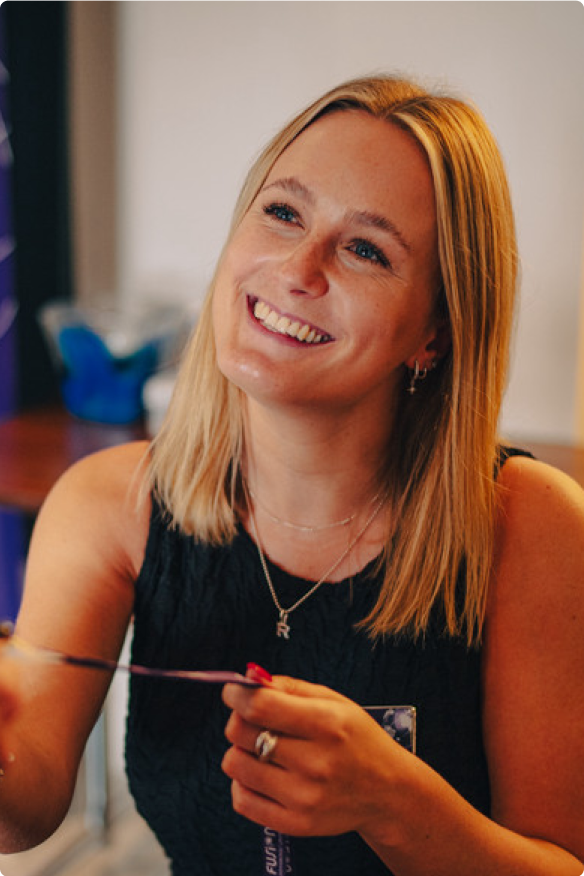
Need some help? Chat to the Fusion team today
As a family run business, our dedication runs deep. We’re committed to each other and, even more so, to every attendee’s experience, delivering a level of care and passion that’s truly unmatched.