- Home
- Past Conferences
- 2nd Membrane Contact Sites Conference


2nd Membrane Contact Sites Conference
#MembraneContactSites
04 Nov - 07 Nov 2026
Playa del Carmen, Mexico
-

Luca Scorrano
University of Padua
-

Thomas Simmen
University of Alberta
Early Bird - Expired • Talk Submission - Expired • Poster Submission - Expired • Registration & Payment Deadline - Expired
Synopsis
Important Notice: Given the close proximity to the conference start date, hotel availability is likely to become very limited over the coming weeks. We are still currently able to accept registrations; however, this may change, so we would encourage prompt registration and payment to secure your accommodation. Once registration has been completed, please allow us up to 3 working days to confirm your hotel reservation with you. If there are any issues in accommodating, we will reach out promptly to discuss alternative options. A reminder: your hotel reservation is not secured until payment has been received in full.
Interorganelle communication has become a central theme in contemporary cell biology, revealing that virtually all organelles establish membrane contact sites (MCS) with one another. These specialized subdomains bring organelles into close apposition without fusion, enabling the direct exchange of molecules, the coordination of metabolic pathways, and the integration of signaling events. The discovery of MCS has reshaped long-standing views of organelle autonomy, highlighting instead how cellular architecture is grounded in interconnected compartments. Heterotypic organelle interactions support functions that neither partner could achieve independently, advancing our understanding of spatially organized metabolism, signaling fidelity, and organelle homeostasis.
Confirmed Invited Speakers
Estela Area Gomez (CSIC)
MITOCHONDRIA-ASSOCIATED ER MEMBRANES (MAM) COMPARTMENTALIZE CHOLESTEROL REGULATION
Ilana Berlin (Leiden University)
SELECTIVITY AND DYNAMICS OF ENDOGENOUS VAP FAMILY TETHER PROTEINS ACROSS MEMBRANE CONTACT SITES
Michelangelo Campanella (Queen Mary University of London)
MEMBRANE CONTACT SITES REWIRE MITOCHONDRIA-TO-NUCLEUS COMMUNICATION IN METABOLIC STRESS
Francesco Cecconi (Danish Cancer Society Research Center)
OF CONTACT AND CAPTURE: A NUCLEAR ENVELOPE-AUTOPHAGOSOME INTERFACE THAT LICENSES MICRONUCLEUS ELIMINATION
Sarah Cohen (University of North Carolina at Chapel Hill)
ILLUMINATING ORGANELLE INTERACTION NETWORKS IN DIFFERENTIATION AND NEURODEGENERATION
Adriana Covarrubias (Goethe University Frankfurt/Institute of Biochemisry II)
REMODELLING OF ER-MITOCHONDRIA CONTACT SITES VIA SELECTIVE AUTOPHAGY
Sabrina Diano (Columbia University)
THE HUNGER GAME: MITOCHONDRIA-ER CROSSTALK IN FEEDING REGULATION
Eamonn Dickson (University of California, Davis)
THE TETHER CODE: HOW NEURONS DIVERSIFY THEIR ER–PM JUNCTIONS
Aleksandra Filipovska (University of Western Australia)
PROGRAMMABLE ORGANELLE CONTACT SITES RESTORE DYSFUNCTIONAL CELLULAR BIOGENESIS
György Hajnóczky (Thomas Jefferson University)
ROLE OF IP3 RECEPTORS IN COUPLING ER TO MITOCHONDRIA DURING ORGANELLAR STRESS RESPONSES
Peter Kim (The Hospital for Sick Children, University of Toronto)
REACTIVE MATCH MAKING: A MECHANISM FOR REGULATING PEROXISOME-MITOCHONDRIA CONTACT
Andrew Kowalczyk (Penn State College of Medicine)
CADHERINS TO CONTACTS: HOW CELL JUNCTIONS ORGANIZE THE ER
Ivana Kuo (Loyola University Chicago)
CONTROLLING LEAK AMONGST THE (ER) STRESS: A CASE FOR ORDERED CALCIUM RELEASE
Konstantinos Lefkimmiatis (University of Pavia)
PROBING MITOCHONDRIA–NUCLEAR COMMUNICATION THROUGH CONTROLLED ORGANELLE PROXIMITY
Jen Liou (University of Texas Southwestern)
SIGNALING AT ENDOPLASMIC RETICULUM-PLASMA MEMBRANE CONTACT SITES
Maurizio Molinari (Institute for Research in Biomedicine (IRB)
MEMBRANE CONTACT SITES IN ER-TO-LYSOSOME-ASSOCIATED DEGRADATION
Christopher Obara (University of California, San Diego)
MAPPING THE DYNAMIC LANDSCAPE OF TETHER ENGAGEMENT ACROSS MEMBRANE CONTACT SITES
Luca Pellegrini (University of Ottawa)
THE MISSING MEMBRANE CONTACT: HOW SPRIZ DEFINES THE MITOCHONDRIAL INTERMEMBRANE SPACE
Valentina Perissi (Boston University)
SPATIAL CONTROL OF MITOCHONDRIAL RETROGRADE SIGNALING BY NUCLEAR PORE-ASSOCIATED CONTACT SITES
Lena Pernas (University of California, Los Angeles)
MITOCHONDRIA-MICROBE CONTACT SITES: A NEW FRONTIER IN HOST-PATHOGEN CONFLICT
Julien Prudent (University of Cambridge)
CONTACTMAPR: A PIPELINE FOR MAPPING MITOCHONDRIA–ORGANELLE CONTACT SITES
Sara Sigismund (IEO)
REGULATION OF GROWTH FACTOR RECEPTOR SIGNALING VIA MEMBRANE CONTACT SITES
Alejandra Tomas Catala (Imperial College London)
FUNCTIONAL CONSEQUENCES AND MOLECULAR REGULATION OF COMPARTMENTALISED GLP-1R SIGNALLING AT ER MEMBRANE CONTACT SITES
Alexandre Toulmay (UT Southwestern)
THE VPS13-LIKE PROTEIN BLTP2 REGULATES PHOSPHATIDYLETHANOLAMINE LEVELS TO MAINTAIN PLASMA MEMBRANE FLUIDITY
Elçin Ünal (University of California, Berkeley)
MECHANISM AND FUNCTION OF MEMBRANE CONTACT SITE REMODELING IN MEIOSIS
Tobias Walther (Memorial Sloan Kettering Cancer Center)
FAT AND MEMBRANES: FUNCTIONS OF LIPID DROPLET - ENDOPLASMIC RETICULUM CONTACTS IN METABOLISM
Key Sessions
- Methods to study MCS
- MCS components and regulators
- Transfer of molecules at MCS
- MCS in organelle function
- Novel roles of MCS in cell biology
- MCS in disease
Target Audience
Cell biologists across all career stages, from students to senior faculty, as well as industry scientists exploring MCS as emerging therapeutic targets. The meeting is designed to be accessible to newcomers while offering depth valuable to specialists, and requires no prior experience within the MCS field.
Educational Need
Despite the rapid expansion of research on MCS, the field remains highly specialized, with knowledge dispersed across laboratories that focus on distinct organelles, methodologies, or disease contexts. As a result, many investigators lack a unified understanding of how MCS are identified, how their molecular composition is defined, and how their activities influence fundamental aspects of cell physiology. This fragmentation limits the broader community’s ability to apply emerging concepts and techniques to their own questions in metabolism, organelle biology, signaling, and disease mechanisms. There is therefore a strong educational need for a dedicated forum that consolidates current advances and provides participants with a coherent framework for studying and interpreting MCS. Bringing together researchers who work on different organelles and employ diverse approaches ranging from imaging to biochemical reconstitution, from genetics to systems-level analyses will foster a shared technical and conceptual foundation, ultimately enabling the community to recognize how discoveries in one system illuminate general principles of MCS function across biology.
The meeting will guide participants toward an up-to-date understanding of:
- The tools and methods used to study MCS, including state-of-the-art imaging, proteomics, and functional assays;
- The molecular composition of MCS and the regulatory mechanisms that govern their formation and dynamics;
- The roles of MCS in organelle biology and cellular homeostasis, with emphasis on metabolic coordination and signaling as well as emerging findings on new types and functions of MCS
- The potential of MCS as a novel therapeutic space, highlighting opportunities for drug discovery in both rare and common diseases.
By addressing these educational gaps, the conference will equip attendees with the knowledge needed to incorporate MCS-centered perspectives into their own research programs and to advance the field as a whole.
Confirmed Speakers
Chairs
Luca Scorrano
University of Padua
Thomas Simmen
University of Alberta
Invited Speakers

Estela Area Gomez
CSIC

Ilana Berlin
Leiden University

Michelangelo Campanella
Queen Mary University of London

Francesco Cecconi
Danish Cancer Society Research Center

Sarah Cohen
University of North Carolina at Chapel Hill
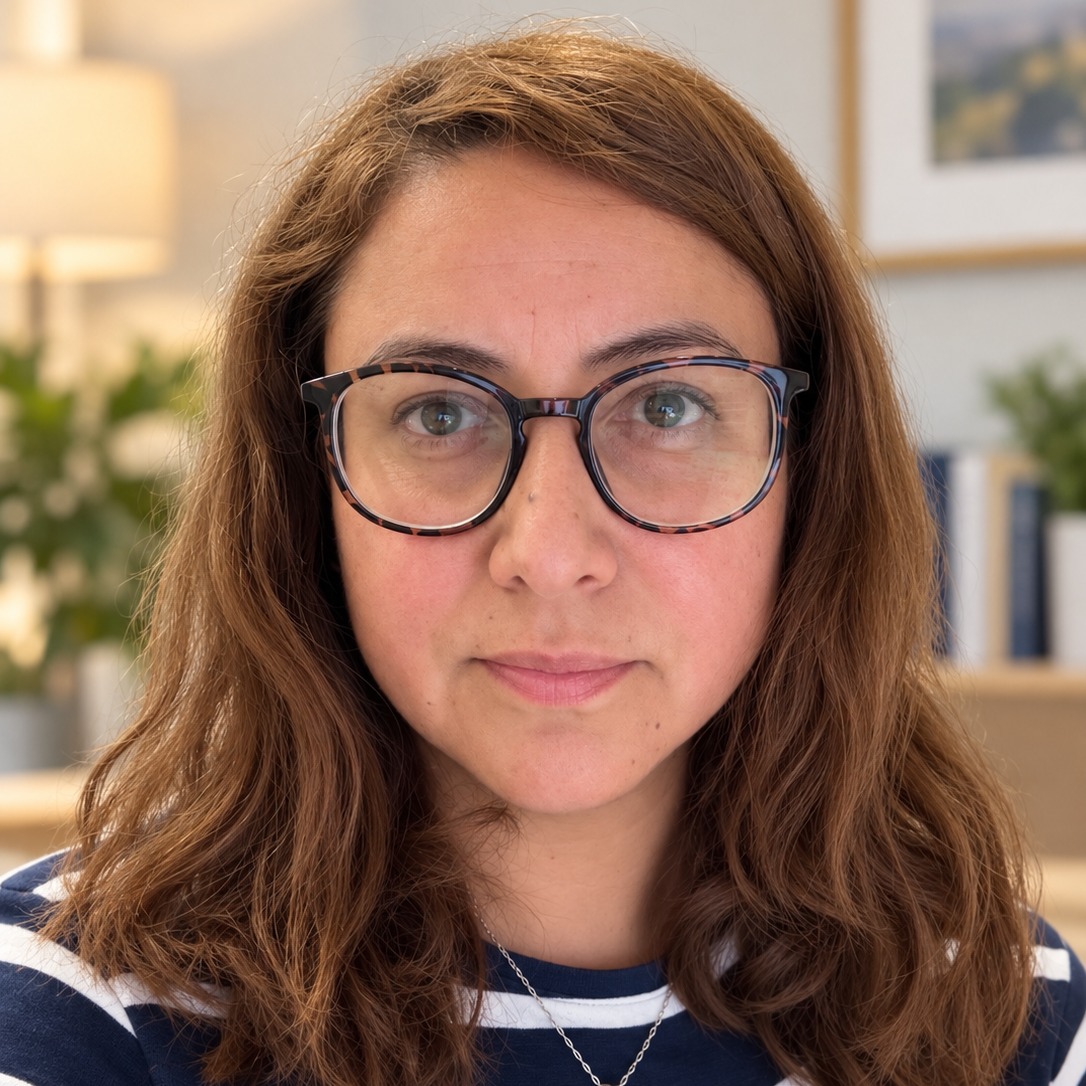
Adriana Covarrubias
Goethe University Frankfurt

Sabrina Diano
Columbia University

Eamonn Dickson
University of California, Davis

Aleksandra Filipovska
University of Western Australia

György Hajnóczky
Thomas Jefferson University

Peter Kim
Hospital for Sick Children, University of Toronto

Andrew Kowalczyk
Penn State College of Medicine

Ivana Kuo
Loyola University Chicago

Konstantinos Lefkimmiatis
University of Pavia

Jen Liou
University of Texas Southwestern

Maurizio Molinari
Institute for Research in Biomedicine (IRB)

Christopher Obara
University of California, San Diego

Luca Pellegrini
University of Ottawa
Valentina Perissi
Boston University

Lena Pernas
University of California, Los Angeles
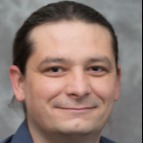
Julien Prudent
University of Cambridge

Sara Sigismund
IEO

Alejandra Tomas Catala
Imperial College London

Alexandre Toulmay
UT Southwestern

Elçin Ünal
University of California, Berkeley

Tobias Walther
Memorial Sloan Kettering Cancer Center
Programme
Grants
Limited $750 grants are available on a first-come, first-served basis for single and shared ticket types only.
How to receive your grant?
- Register for the conference by clicking here.
- Email the conference manager confirming your registration.
- The conference manager will review your registration to make sure you comply with all T&C's. The grant will be applied in the form of a discount against your registration balance, and you'll be contacted via email if successful.
Terms & Conditions:
- You must register under either a single or shared registration ticket to be eligible.
- The $750 grant cannot be applied towards the student ticket price.
- To qualify for the grant, you must pay the required deposit before the grant can be honoured.
- For new registrations only. Registrants prior to 03 September 2026 are unfortunately not eligible.
- Cannot be used in conjunction with any other offer or discount.
- Further Terms & Conditions apply, please contact us for more information.
Interested in supporting the meeting? We'd love to hear from you! Please get in contact with the Conference Manager for further information.
Supported by


Venue & Location
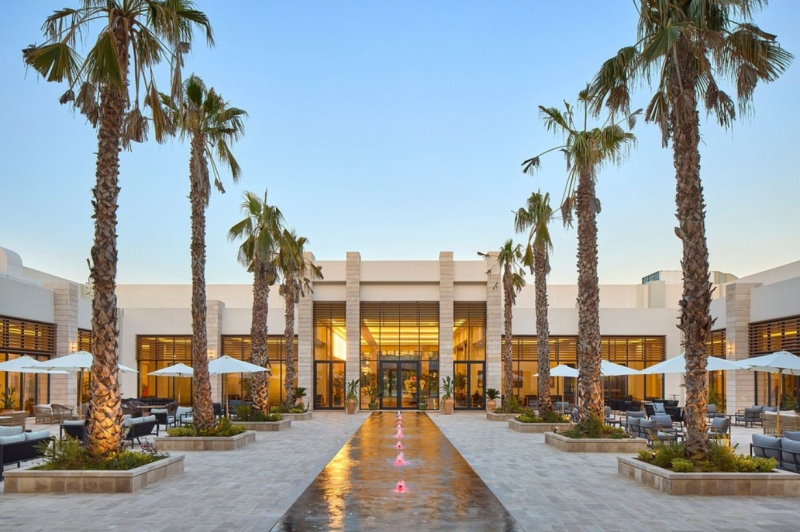
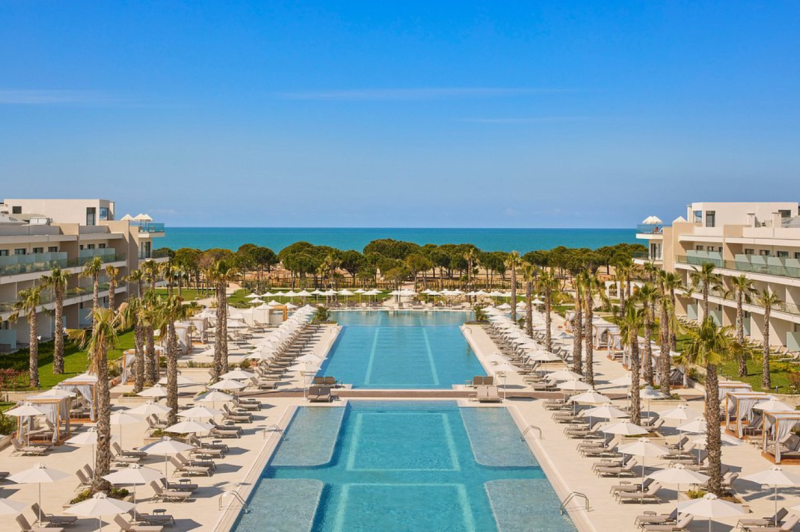
Devossion By Live Aqua Playa del Carmen
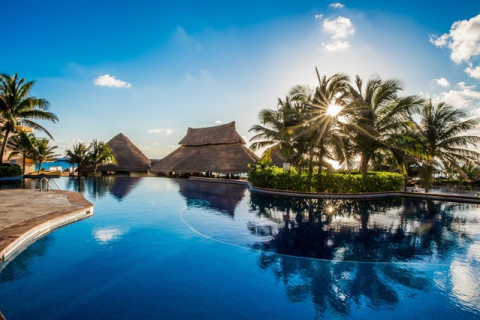
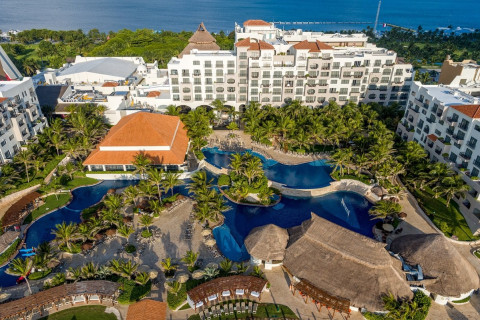
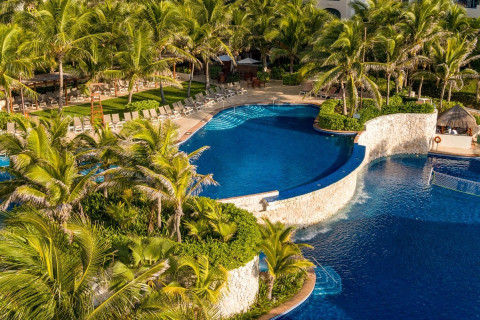
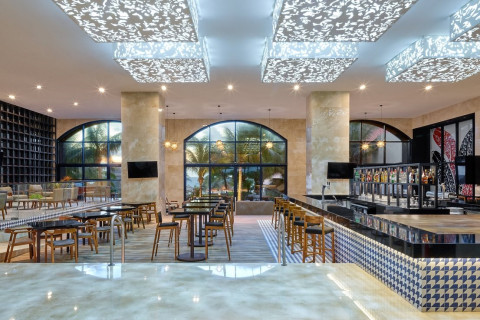
Adults OnlyDevossion by Live Aqua Playa del Carmen offers a thoughtfully designed setting for focused academic exchange, combining high-quality conference facilities with a calm and well-connected coastal environment. As an adults-only, all-inclusive resort, it provides a cohesive and streamlined experience that supports both structured sessions and informal interaction.
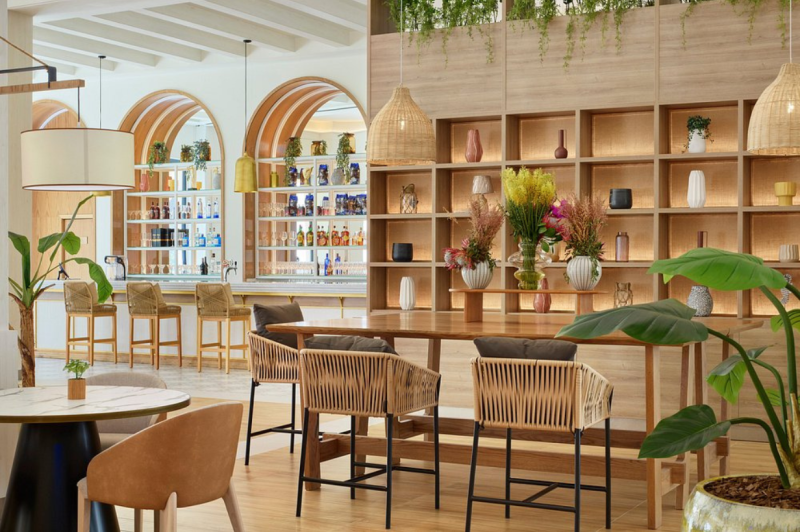
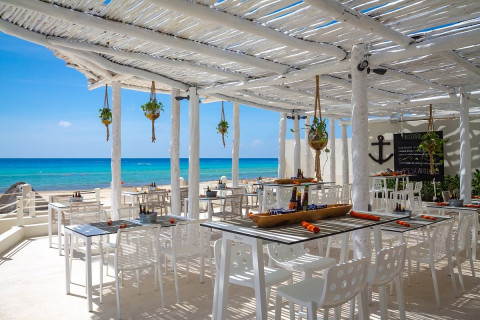
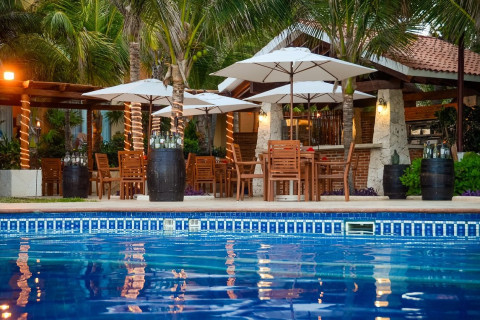
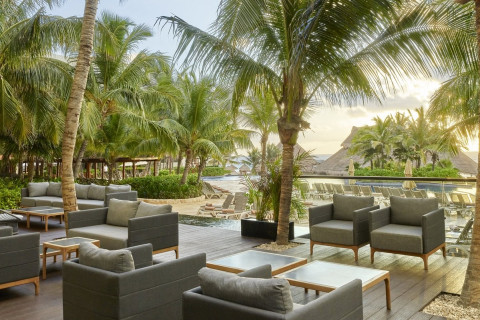
The resort features a variety of versatile spaces for both formal presentations and smaller breakout discussions, alongside a range of shared dining and social areas designed to encourage continued dialogue between sessions. The all-inclusive format supports a highly integrated participant experience, where colleagues can easily connect throughout the day without added planning.
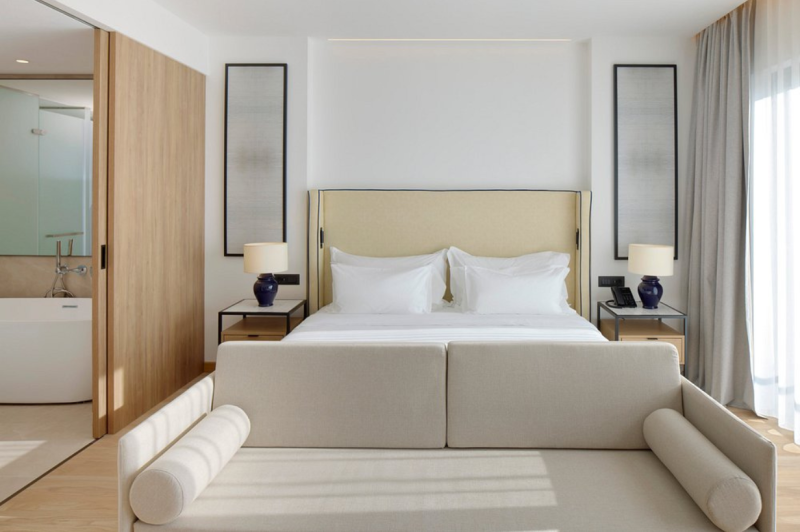
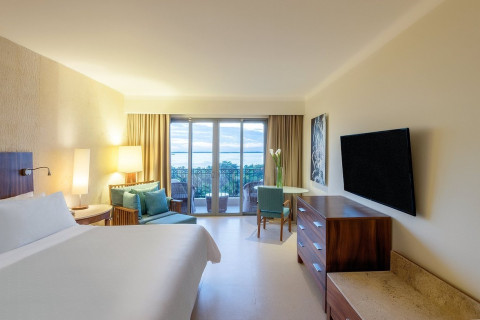
Accommodation is designed to provide a comfortable and private retreat between sessions, with modern amenities and views across the resort or ocean. These spaces offer an environment conducive to rest, reflection, and preparation, supporting sustained engagement across our four-day programme.
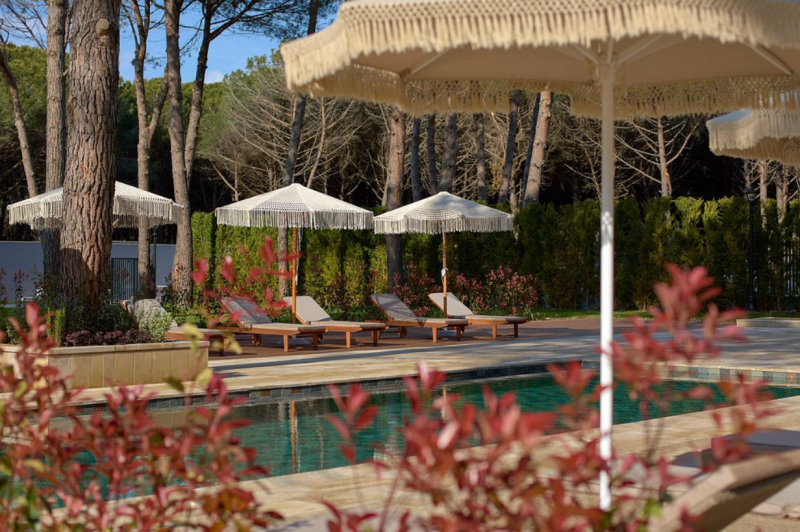
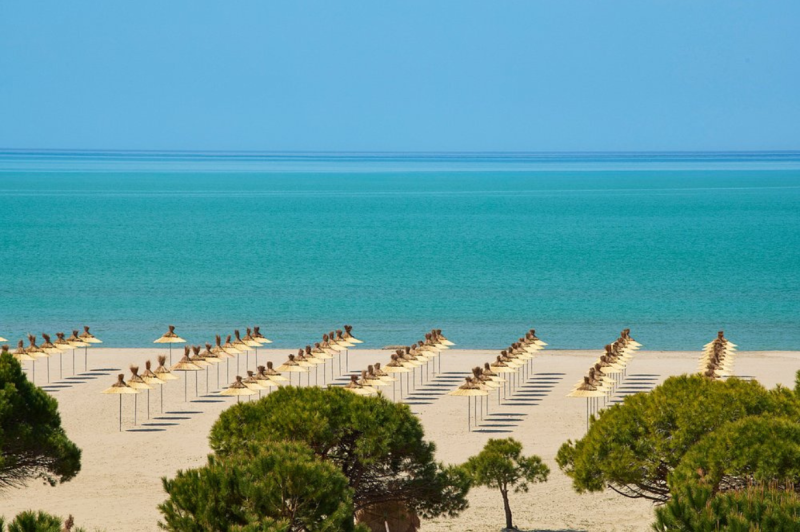
Free time between scheduled sessions is intentional to allow participants to balance between productivity and wellbeing. Opportunities to enjoy the beach, pool, or wellness facilities provide a chance to recharge, while also creating opportunities for informal interaction in a more relaxed setting.


General Information
Conference Currency
US Dollar (USD)
Address
1a Avenida Cto. 15 esquina Centro 77710 Playa del Carmen Q.R., Mexico
Nearest Airport
Cancun International Airport
Hotel Facilities
- Gym / Wellness Center
- Spa
- 25 meter semi-Olympic outdoor swimming pool
- 7 restaurants
- 5 bars
- Coffee shop (serving Starbucks)
- Beach
Location
Mexico is a delightful combination of natural beauty, islands, ecological reserves and white sandy beaches. However, besides sun, sand and sea, this destination also offers an infinite variety of underwater activities to choose from: the diving, snorkelling and fishing here are outstanding and you will find an undersea world packed with tropical fish that live on the second largest barrier reef in the world. Sports enthusiasts might choose one of the many eco-tourism activities, such as cycling or hiking through the tropical forest or kayaking through mangroves, or something a little more adventuresome, like zip lining through the treetops.
Apart from the more well-known ancient Mayan archealogical sites such as Tulum, Cobá and Chichén Itzá you may like to visit the Aktun Chen caverns, voted one of the Top 10 underwater walks by National Geographic described as a truly magical experience.
Gallery


If you are interested in this meeting but not yet ready to register, you can sign up for updates here and our team will keep you updated regarding deadline reminders and grant opportunities relating to this meeting only.
Bronze Sponsors
Media Partners
If you're interested in sponsoring this conference please contact us.
Conference Manager
Alice Tebbit
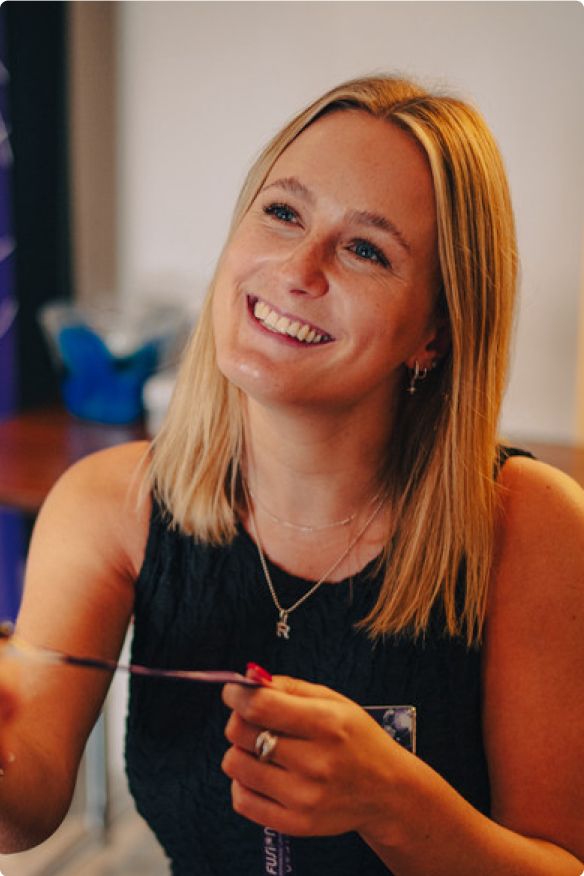
Need some help? Chat to the Fusion team today
As a family run business, our dedication runs deep. We’re committed to each other and, even more so, to every attendee’s experience, delivering a level of care and passion that’s truly unmatched.