- Home
- Past Conferences
- 5th Epigenetics Conference
5th Epigenetics Conference
From Mechanisms to Therapies
01 Oct - 04 Oct 2026
Lisbon, Portugal
-
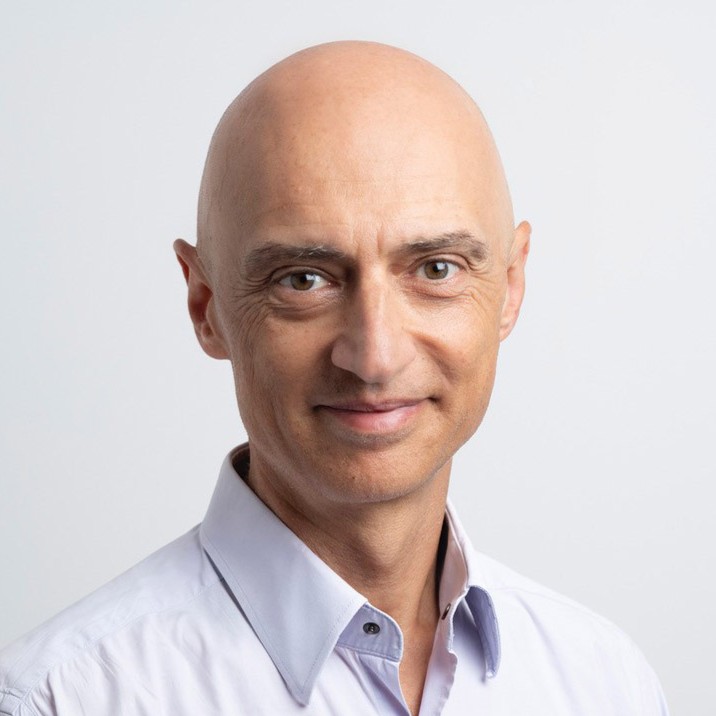
Giacomo Cavalli
Institute of Human Genetics
-
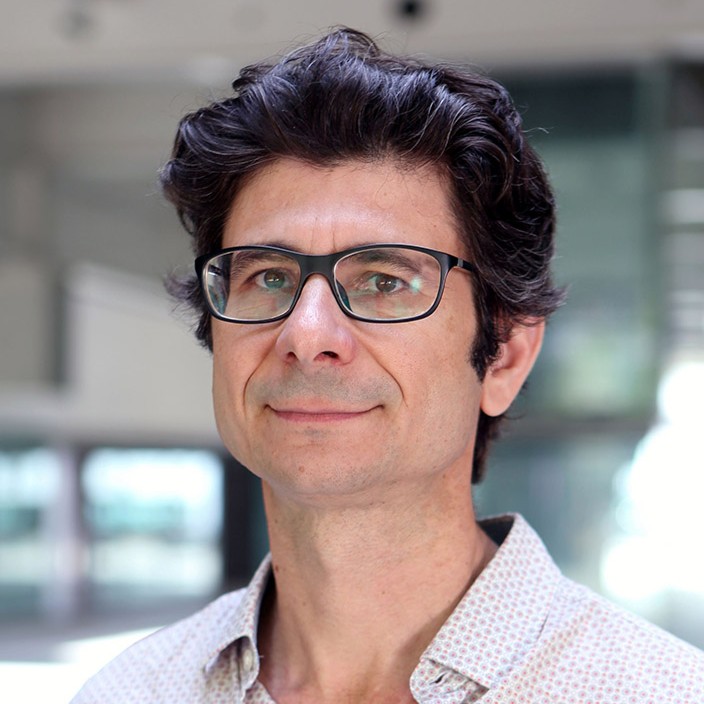
Luciano Di Croce
Centre for Genomic Regulation
Early Bird - Expired • Talk Submission - Expired • Poster Submission - Expired • Registration & Payment Deadline - Expired
Report
The 5th Epigenetics conference was held at the Dolce CampoReal village, Lisbon, from 1 - 4 October 2026. There were 76 registrations and, concerning the geographical breakdown of participants, 59% came from European countries, 36% from the US, 5% from countries from the rest of the world. Concerning the career status of the participants, 33% are students, 60% are academics, and 7% have positions in industry.
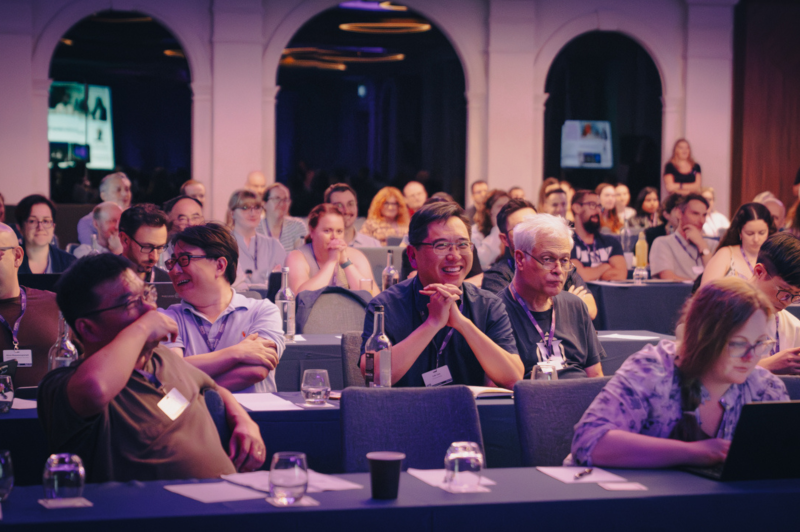
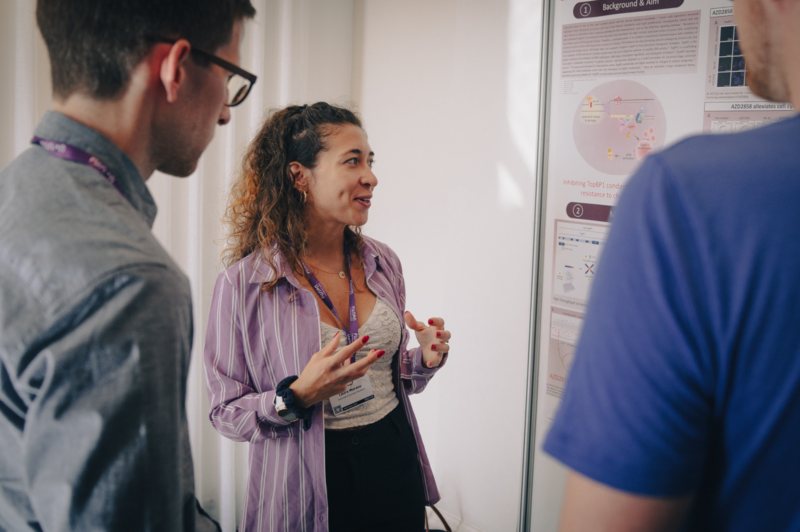
The 5th meeting on “Epigenetics, from mechanisms to therapy” gathered an outstanding mix of young scientists, junior and established principal investigators with interdisciplinary expertise in many fields related to epigenetics. The 38 talks, including 24 invited and 14 selected speakers, were of outstanding quality and presented a broad spectrum of topics united by the general aim of understanding life, aging and disease processes. In addition to give the stage to excellent young speakers, posters were also a highlight, thanks to flash poster presentations where each poster presenter was given a one minute poster teaser time. This attracted the overwhelming majority of the participants to three very lively poster sessions, including junior and senior PIs, and three poster prizes were awarded.
As an outcome, we learnt a great deal about transcription regulation, epigenetic mechanisms implicated in learning, memory and memory loss, the role of chromatin components such as chromatin remodelers, histone modifiers, readers, Polycomb and heterochromatin, DNA methylation components as well as noncoding RNAs. The approaches included single cell multiomic methods, in vitro and in vivo systems, biochemistry and structural biology, genomics, molecular, cell and developmental biology of model and non-model organisms, sophisticated in vitro cell differentiation approaches and organoid culture models and patient samples. AI applications for creative analyses of the data and iterative loops of data analysis, generation of hypotheses, testing hypotheses and refinment of the interpretations.
Each talk was given time for discussion and the Q&A sessions were extremely lively, leading some session chairs to accept moderate delay of the timing in order to allow the exciting brainstorming to develop. The talks presented data that frequently challenged the dogmas in a constructive and creative way, particularly concerning the role of different Polycomb complexes in chromatin targeting, gene regulation and cancer, as well as on the role of noncoding RNAs and epigenetic modifications versus mutations in the process of tumorigenesis. Exciting talks on the role of epigenetics in brain function were also presented and discussed.
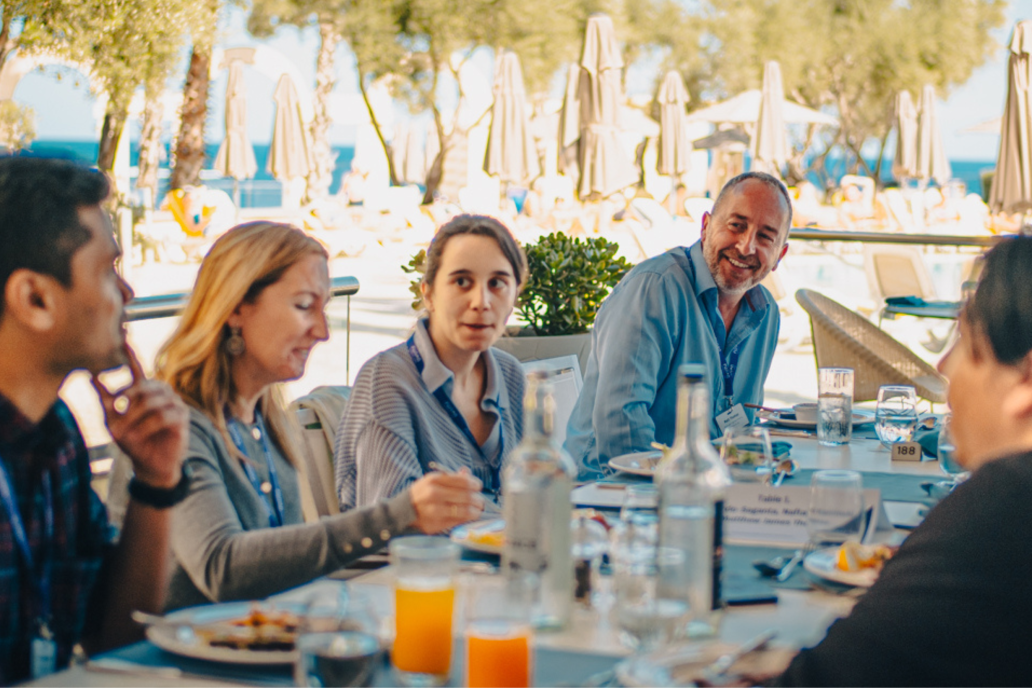
It is important to note that questions were made from young scientists as much as established scientifsts, indicating that we succeeded in generating an informal and friendly atmosphere throughout the meeting. Additionally, each session was co-chaired by a young scientists, further contributing to creating bridges between generations. Finally, short talks selected from abstracts were considered by many participants to be of an excellent level, not only for the quality and novelty of data discussed but also for the overall quality of the presentations.
One special contribution to the meeting was given by Cell-ID, an excellence French consortium funded by the “France 2030” programme to study cell fates and identities in pediatric brain cancers. Cell-ID generously provided a 10,000 € fund that allowed to sponsor the participation of two speakers, Giacomo Cavalli and Geneviève Almouzni, as well as three young scientists, Christelle El Kai, Diego Polanco-Alonsom, and Joel Herrera Martínez. This gave Cell-ID center stage and allowed it to showcase its science success, while also allowing these five participants to learn many new scientific findings that will impact their research in the framework of Cell-ID.
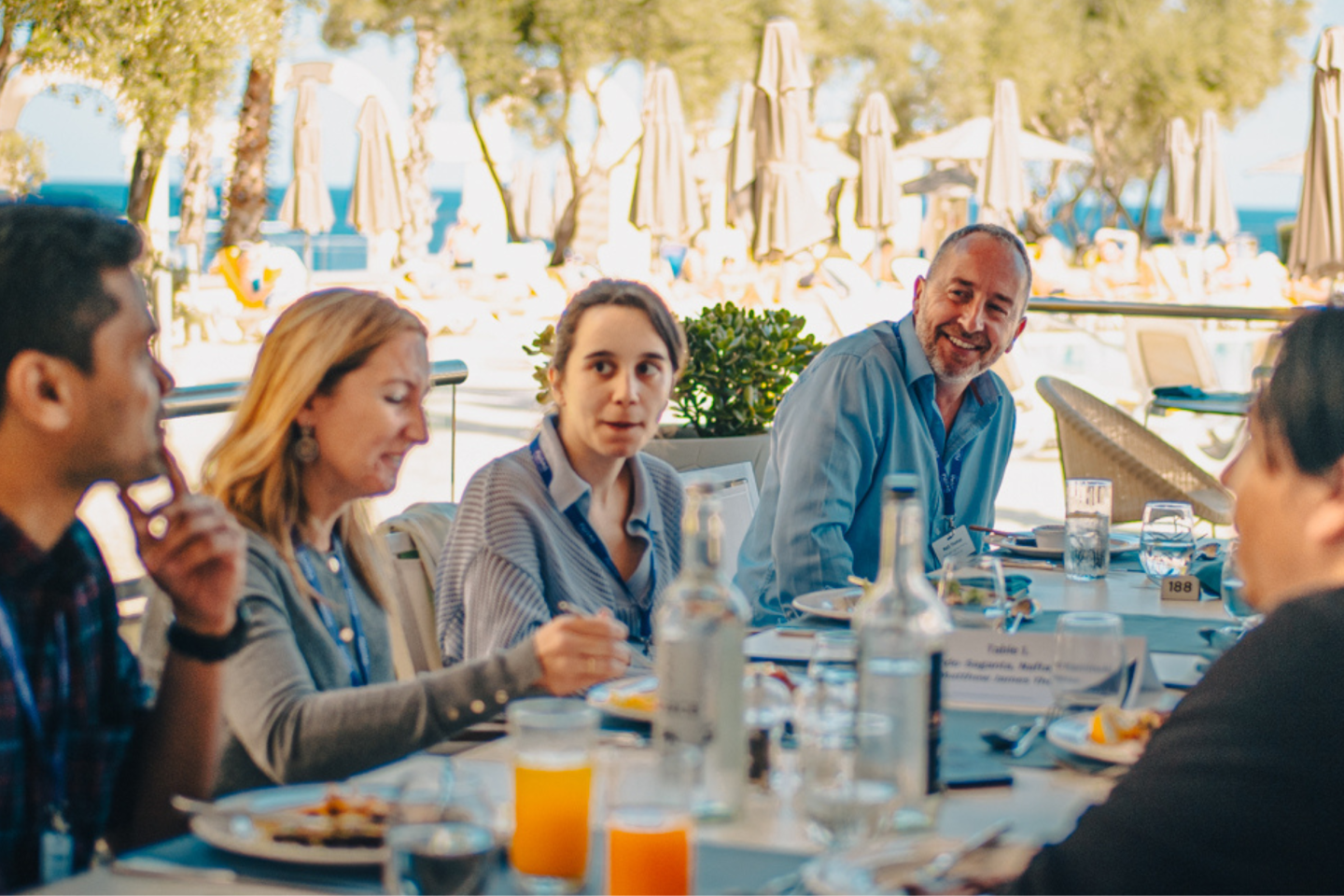
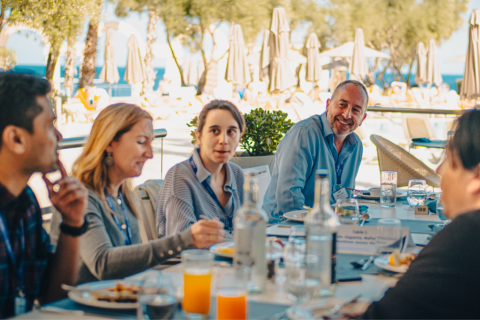
I addition to the main scientific program, the meeting also included a Mix & Match session, where many participants chose their speaker of interest for a joint lunch, with many invited speakers involved and lots of participants joining the tables for lively discussions. Early Career Researchers participated in a Career Targeted talk held by Sir. Tony Kouzarides who inspired participants by sharing his extended baggage of expertise, both in academia and in the private sector and instilling his sparling energy and optimism, to encourage them to dare while keeping an eye on the practical aspects needed to approach their career challenges. Finally, a “Meet the editors panel discussion” hosting Laura Remis, Chief Editor of Science Advances and Chiara Anania, Senior Editor of Nature Genetics. They shared with the numerous session participants their account of what it is like to be an editor of a top scientific journal and discussed how to succeed with publishing scientific results. The many questions asked during the session showed how much young scientists need and want to know about the publishing process.
During and at the end of the meeting, many of the participants expressed their utmost gratitude for the brilliant organization and their excitement to continue attending this meeting, which blends a unique friendly atmosphere with thrilling science! They asked us to continue this series and we will be happy to do so.
Just as an example, one of the participant commented by email:
“Dear Giacomo and Luciano, I wanted to tell you both how much I enjoyed your meeting. The science was great, the venue was charming, and the time interacting with colleagues was wonderful. Thanks to both of you for your efforts towards organizing the meeting, and for inviting me!”
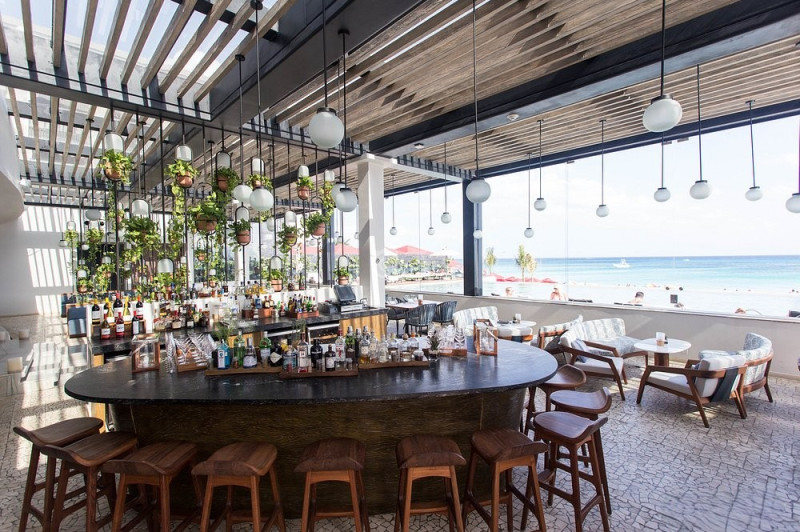
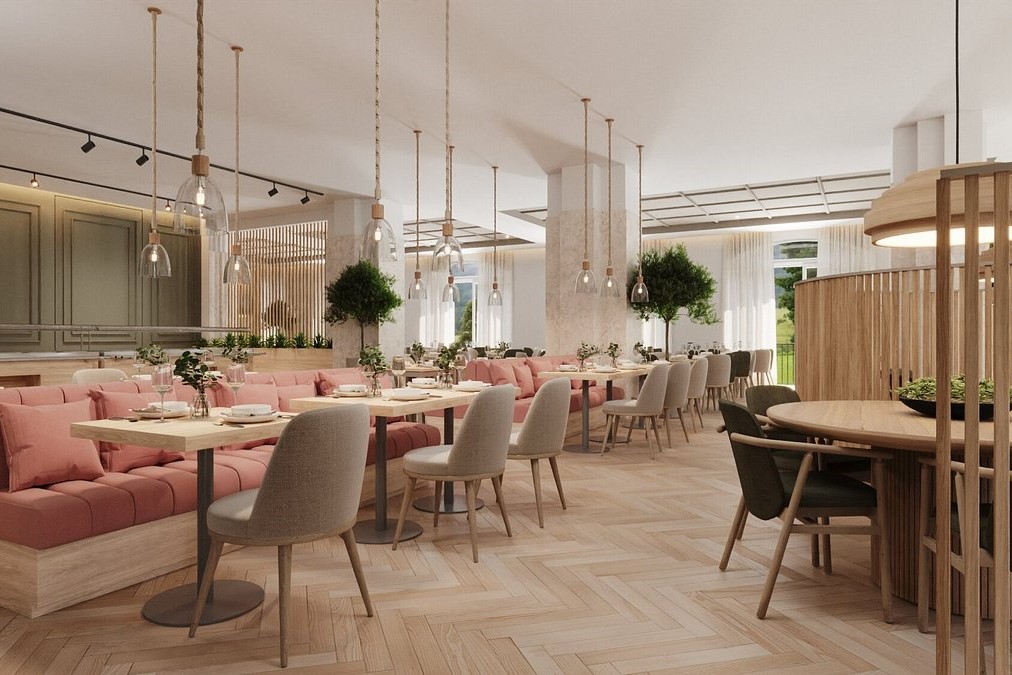
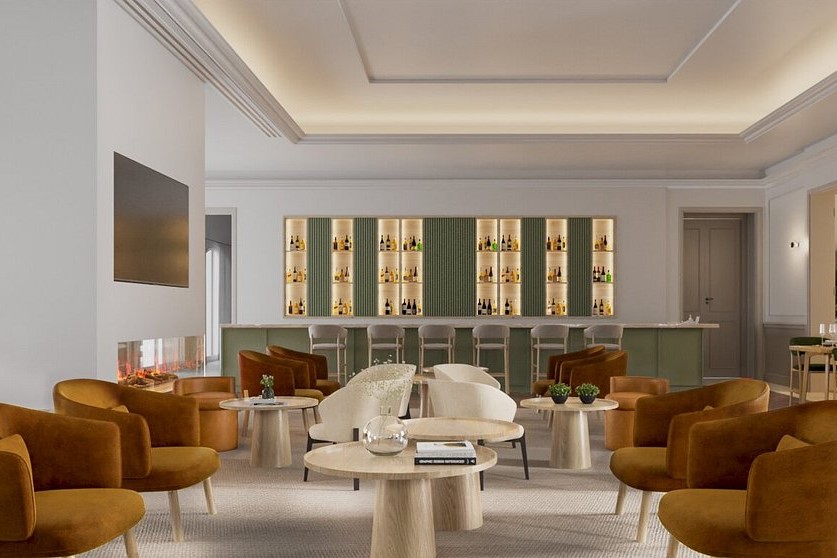
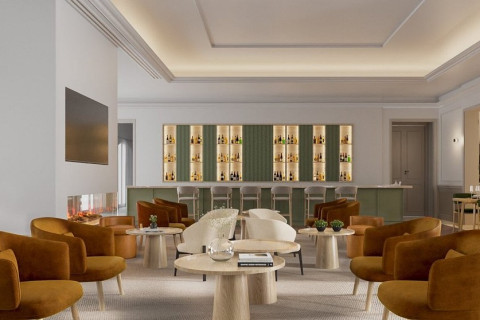
The uniqueness of this meeting rests on a workshop format with a limited number of participants and an excitingly high ratio of invited speakers of outstanding quality to a limited amount of top young scientists. Thanks to abundant free time slots and poster session times, the interactions among young scientists and stars of the field are intense and fluid. Furthermore, the pleasant setting of the meeting, with a beautiful location and venue and very good food and drinks and a very nice bar for the evening post-meeting exchange sessions was inspiring interactions even more.
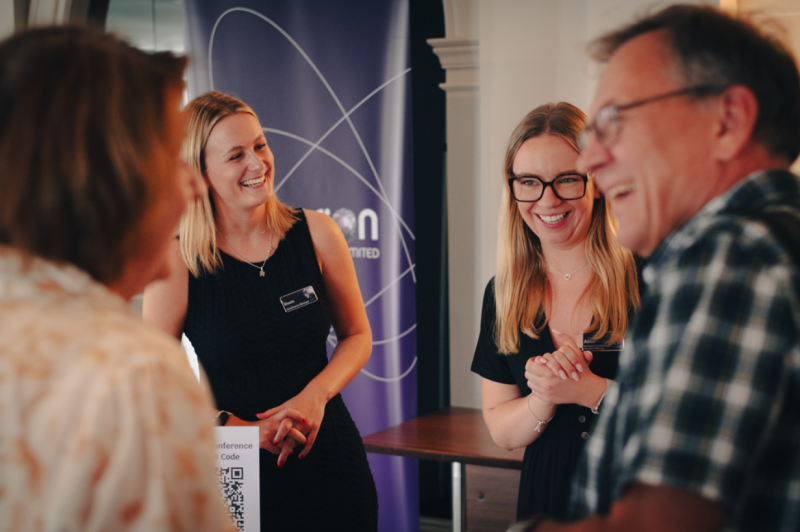
Finally, we wish to congratulate the fantastic Fusion team for their work. They participated big time to the success of the meeting. Congratulations Fusion, the epigenetic community is already looking forward to the next event in this series!
Conference Chairs, Giacomo CAVALLI (Institute of Human Genetics) and Luciano DI CROCE (Centre for Genomic Regulation)
Important Notice
Due to high occupancy levels at the conference hotel, spaces for our 5th Epigenetics Conference are now subject to hotel availability and cannot be guaranteed.
However, if you are still interested in attending, please email Rosie to enquire about availability and next steps.
Synopsis
Our ability to read, interpret and manipulate the genome has entered an era defined by single-cell resolution, 3D chromatin organization, and the integration of cell-intrinsic gene regulation, metabolic inputs and environmental challenges with human disease biology. Epigenetic mechanisms - considered as the “regulators of the regulators” - sit at the centre of efforts to understand development, aging and the molecular origins of disease. At the same time, the boundaries between chromatin biology, nuclear metabolism, transcriptional regulation, stem cell and cancer biology have largely dissolved. Modern research demands a fully integrated perspective.
The 5th Epigenetics: From Mechanisms to Therapies meeting will bring together leading scientists driving this transformation. This edition will highlight how chromatin organisation, nuclear architecture, gene regulatory networks, metabolism and RNA-based mechanisms converge to shape cell identity and plasticity across development, homeostasis and disease. A major focus will be placed on single-cell and spatial genomics, cutting-edge epigenomic technologies and new cellular models, as well as on epigenetic mechanisms modulating cancer, neurodevelopmental and neurological diseases.
Inspirational Speaker & Workshop Mentor
Sir Tony Kouzarides (Gurdon Institute)
Confirmed Invited Speakers
Karen Adelman (Harvard Medical School)
RNA QUALITY CONTROL IN DEVELOPMENT AND DISEASE
Geneviève Almouzni (Institut Curie)
SPEAKING OF HISTONE VARIANTS AND THEIR CHAPERONES TO SHAPE CHROMATIN
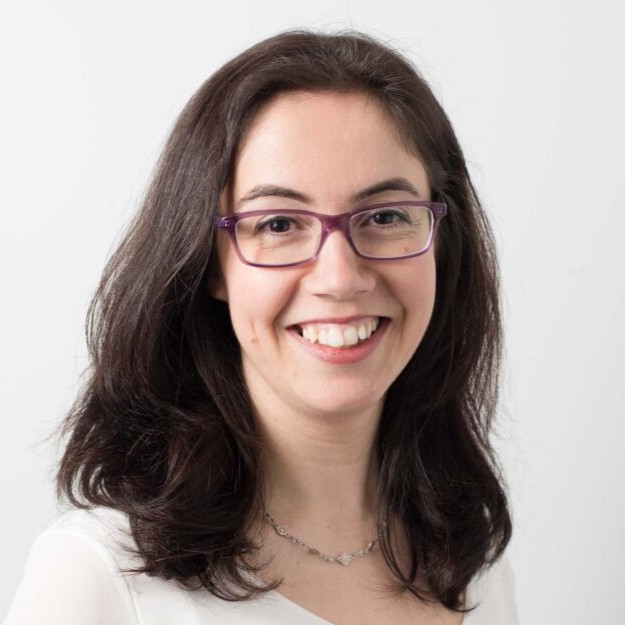
Effie Apostolou (Weill Cornell Medical College)
DISSECTING MECHANISMS THAT CONTROL POSTMITOTIC RESETTING OF CELL IDENTITY
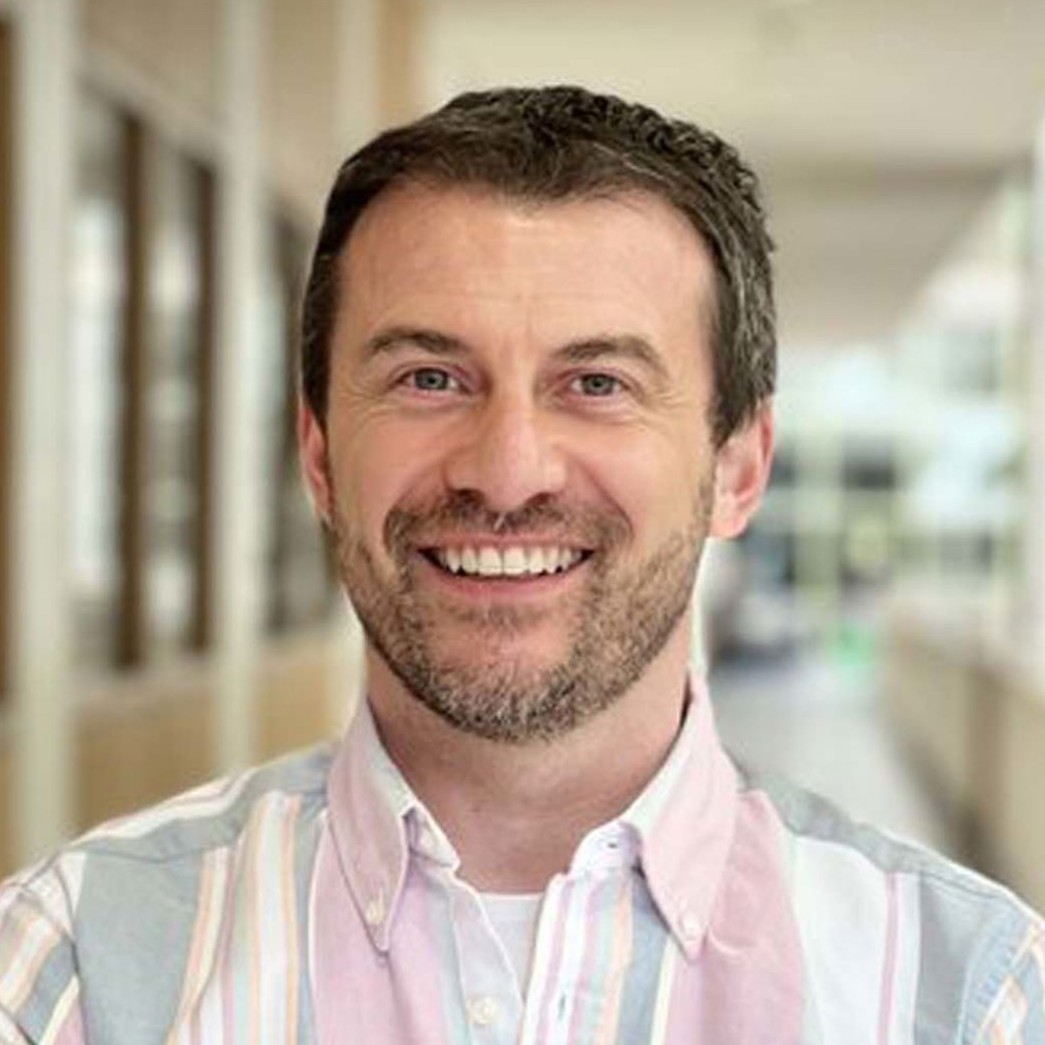
Adrian Bracken (Trinity College Dublin)
POLYCOMB-MEDIATED GENE REGULATION IN DEVELOPMENT AND CANCER
Yael David (MSKCC)
FROM MECHANISM TO MEDICINE: DECODING CHROMATIN AND CELL FATE WITH CHEMICAL PRECISION
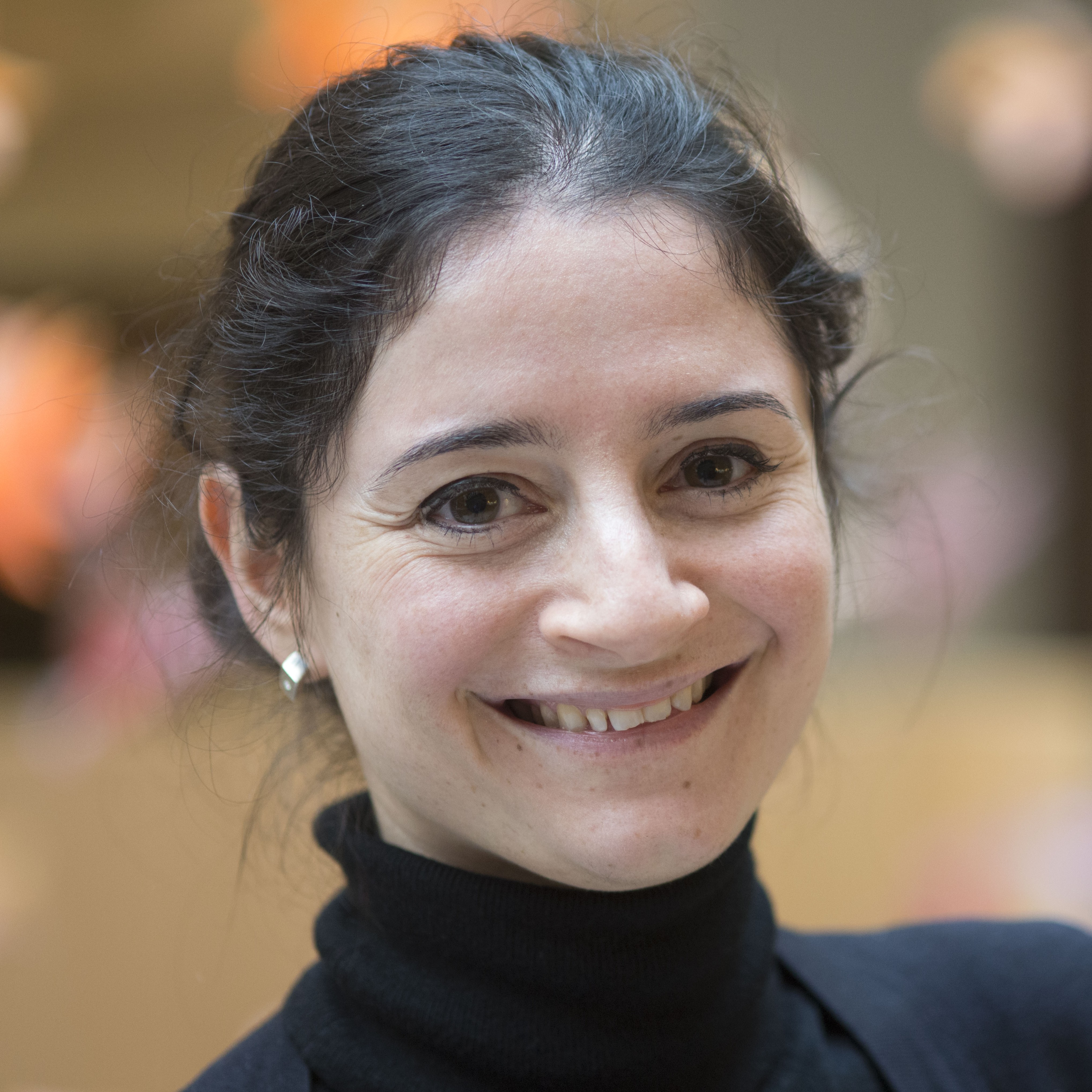
Angelika Feldmann (German Cancer Research Center (DKFZ))
IS TIMING EVERYTHING? FROM DYNAMIC GENOME FOLDING TO GENE REGULATION
Yvonne Fondufe-Mittendorf (Van Andel Institute)
ENVIRONMENTAL PERTURBATION REVEALS HIDDEN MODALITIES OF EPIGENOMIC REGULATION
François Fuks (Université Libre de Bruxelles)
RNA MODIFICATIONS IN HEALTH AND DISEASE
Charles Gersbach (Duke University)
DECODING AND PROGRAMMING THE EPIGENOME FOR SCIENCE AND MEDICINE
Johannes Gräff (EPFL)
EPIGENETIC INFORMATION ENCODING IN THE BRAIN
Ernesto Guccione (Icahn School of Medicine at Mount Sinai)
PRMT5 REGULATES TELOMERASE BIOLOGY AT MULTIPLE NODES TO MAINTAIN TELOMERE INTEGRITY IN HUMAN CELLS
Cigall Kadoch (Dana-Farber Cancer Institute and Harvard Medical School)
STRUCTURE AND FUNCTION OF MAMMALIAN SWI/SNF CHROMATIN REMODELING COMPLEXES IN HEALTH AND DISEASE
Andreas Ladurner (LMU Munich)
ALLOSTERIC TARGETING OF A PARP1-ACTIVATED CHROMATIN REMODELER FOR CANCER THERAPY
Lluis Morey (University of Miami)
POLYCOMB MUTATIONS IN NEURODEVELOPMENTAL DISORDERS
Elisa Oricchio (EPFL)
FROM EPIGENETIC SIMILARITY TO TRANSCRIPTIONAL DIVERSITY: INSIGHTS FROM SINGLE-CELL EPITRANSCRIPTOMICS
Diego Pasini (IEO)
POLYCOMB-MEDIATED CONTROL OF CELL IDENTITY AND TISSUE HOMEOSTASIS
Ramin Shiekhattar (University of Miami)
INTEGRATOR COMPLEX IN HEALTH AND DISEASE
Ali Shilatifard (Northwestern University)
THE LONG ROAD OF TRANSCRIPTION: ELONGATION CONTROL IN AGING, DISEASE AND CANCER
Sara Wickstrom (Max Planck Institute for Molecular Biomedicine)
MECHANICAL REGULATION OF CHROMATIN AND CELL STATES
Wei Xie (Tsinghua University)
ESTABLISHING THE EPIGENOME WHEN LIFE BEGINS
Fides Zenk (EPFL)
UNDERSTANDING HUMAN NEURODEVELOPMENT WITH SINGLE-CELL EPIGENOMICS
Key Sessions
- 3D genome folding, enhancer-promoter communication and long-range chromatin interactions
- Transcriptional and post-transcriptional control of cell fate
- Nuclear metabolism and its impact on chromatin function
- Epigenetic reprogramming and metabolism, regeneration, and cancer
- Mechanistic insights from single-cell multi-omics and spatial biology
- Chromatin-associated diseases, including cancer, neurological disorders and developmental syndromes
- Emerging technologies in chemical biology, genome engineering and integrative computational approaches
Reflecting the diversity and dynamism of the field, our invited speakers include pioneers of chromatin and transcription research as well as innovators in single-cell genomics, gene regulation, computational biology, disease modelling, as well as neurobiologists and cancer biologists.
Young scientists will be prominently featured through numerous short talks selected from submitted abstracts, interactive poster sessions and dedicated discussion time. Each session is designed to stimulate cross-disciplinary exchange, foster new collaborations and encourage bold, forward-looking ideas. The program has also allocated ample time for exchanging ideas and discussing novel hypotheses at the end of each session, as well as time for informal interactions and networking.
Target Audience
This conference is ideal for researchers - PhD students, postdocs, group leaders and clinician-scientists - working in gene regulation, chromatin architecture, nuclear biology, epigenetics, stem cell and developmental biology, cancer research and single-cell technologies.
Colleagues from biotech and pharma, particularly those focused on epigenetic therapies, precision oncology, regenerative medicine, computational biology, genome engineering, and emerging diagnostics, will find a rich environment for scientific exchange and strategic insight.
Confirmed Speakers
Chairs
Giacomo Cavalli
Institute of Human Genetics
Luciano Di Croce
Centre for Genomic Regulation
Invited Speakers
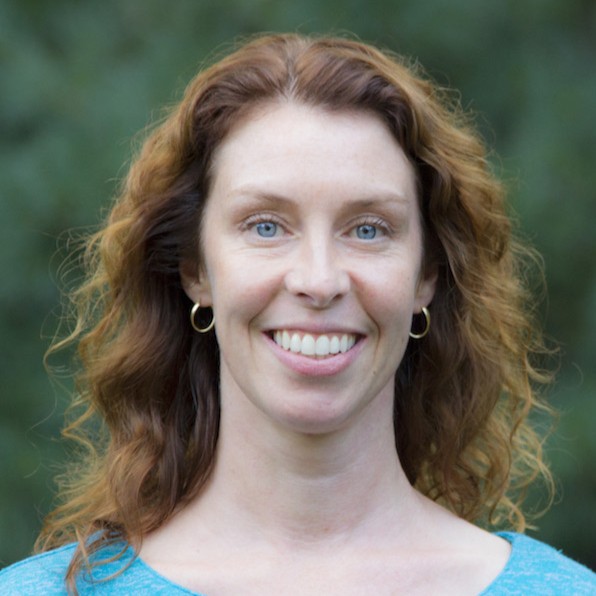
Karen Adelman
Harvard Medical School
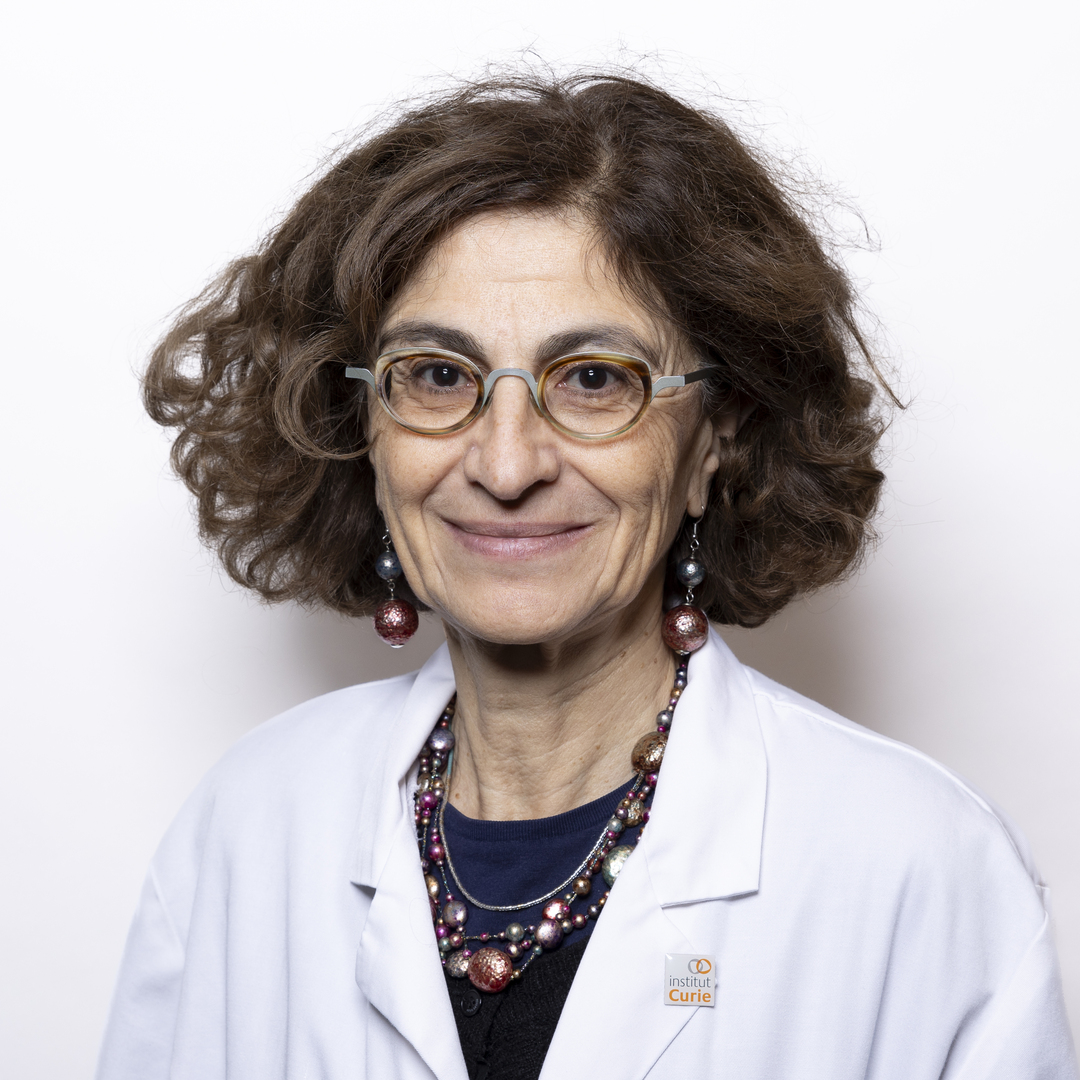
Geneviève Almouzni
Institut Curie
Effie Apostolou
Weill Cornell Medical College
Adrian Bracken
Trinity College Dublin
Yael David
MSKCC
Angelika Feldmann
German Cancer Research Center (DKFZ)
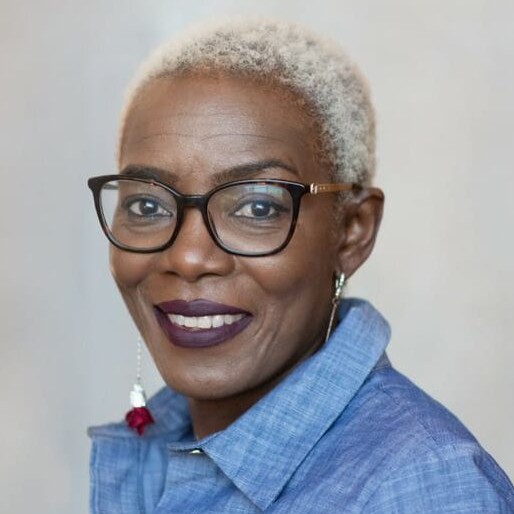
Yvonne Fondufe-Mittendorf
Van Andel Institute
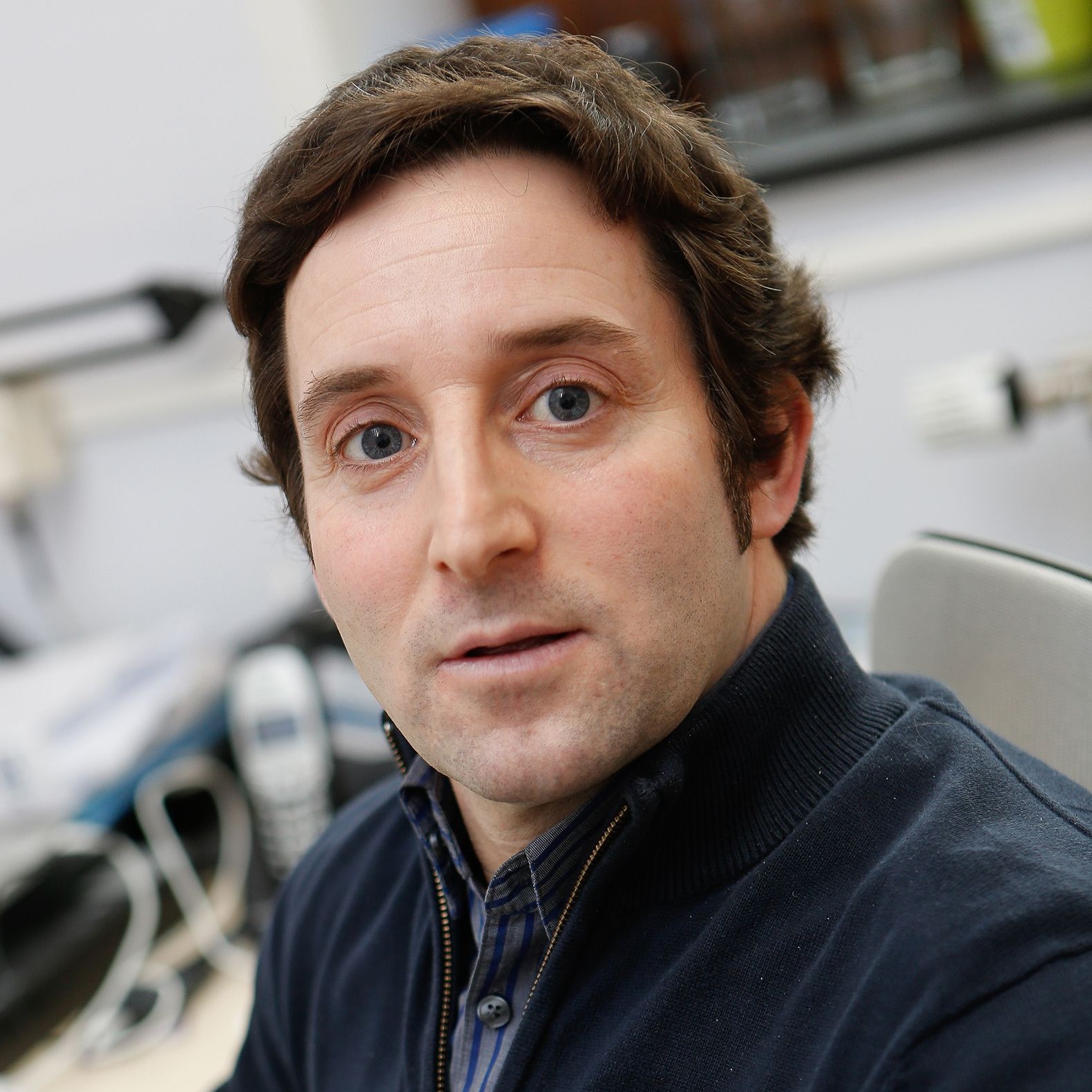
François Fuks
Université Libre de Bruxelles
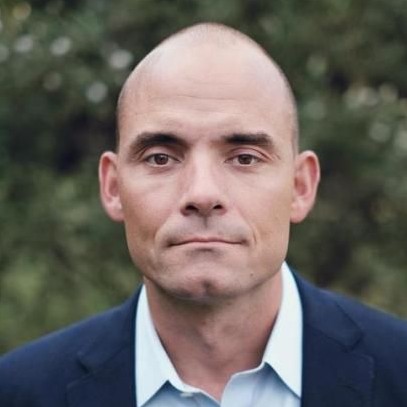
Charles Gersbach
Duke University
Johannes Gräff
EPFL
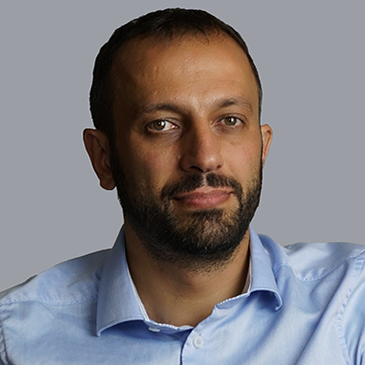
Ernesto Guccione
Icahn School of Medicine at Mount Sinai
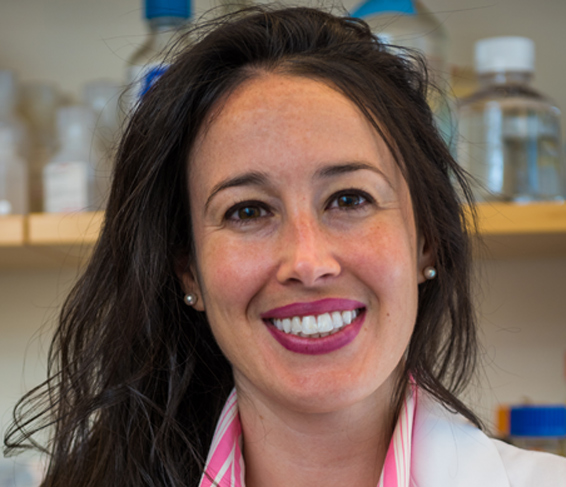
Cigall Kadoch
Dana-Farber Cancer Institute and Harvard Medical School

Sir Tony Kouzarides
Gurdon Institute
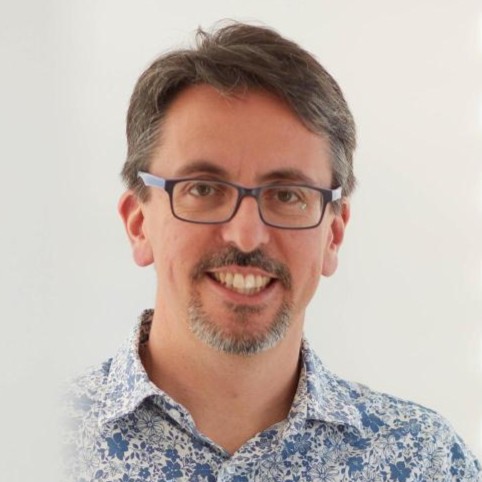
Andreas Ladurner
LMU Munich
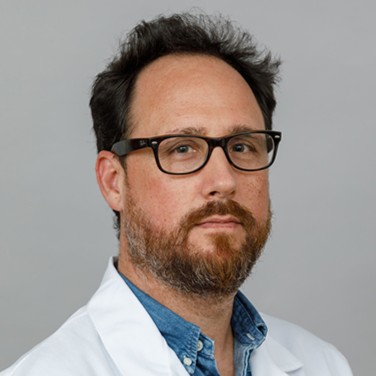
Lluis Morey
University of Miami
Elisa Oricchio
EPFL
Diego Pasini
IEO

Ramin Shiekhattar
University of Miami
Ali Shilatifard
Northwestern University
Sara Wickstrom
Max Planck Institute for Molecular Biomedicine
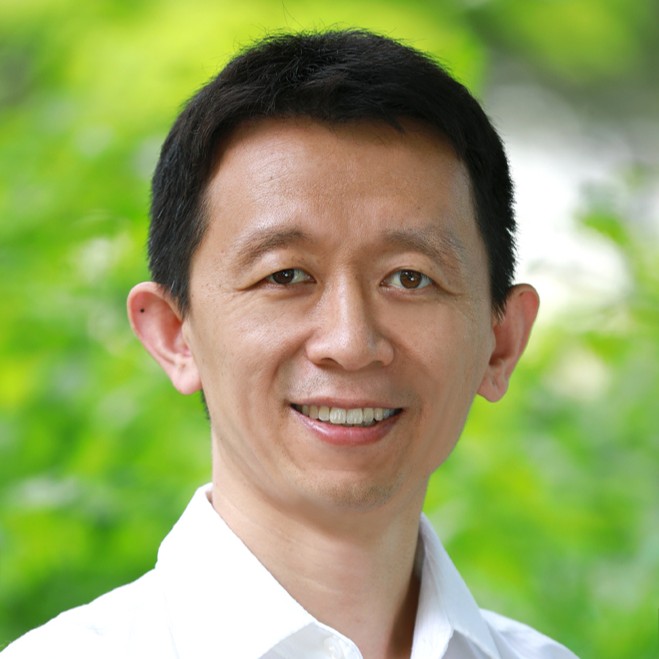
Wei Xie
Tsinghua University
Fides Zenk
EPFL
Programme
Grants
We are pleased to announce we have a limited amount of €500 registration grants available to help defray the meeting costs for students, postdocs & junior faculty (within 3 years of your post-graduate position).
To apply, please email Rosie Johnson. Your application should include:
• An abstract for short talk or poster consideration
• A short statement as to why you would benefit from attending the meeting
Grant applications are now closed.
Interested in supporting the meeting? We'd love to hear from you! Please get in contact with the Conference Manager for further information.
Supported by

Venue & Location
Dolce CampoReal Lisboa
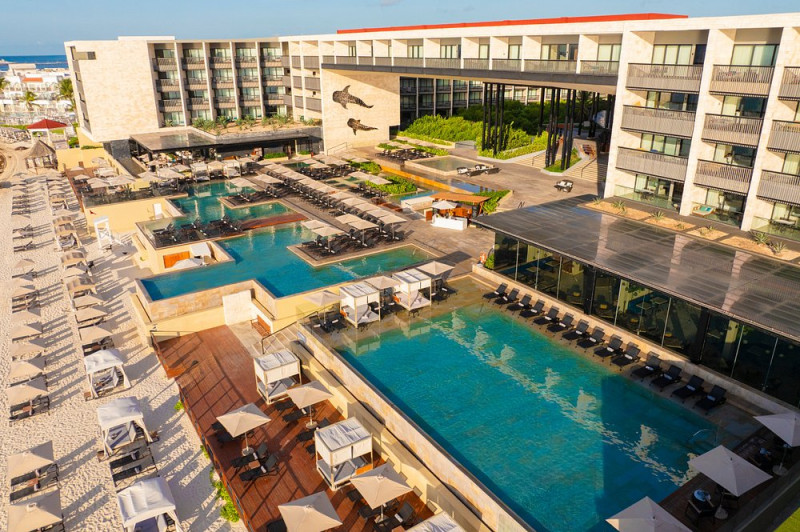
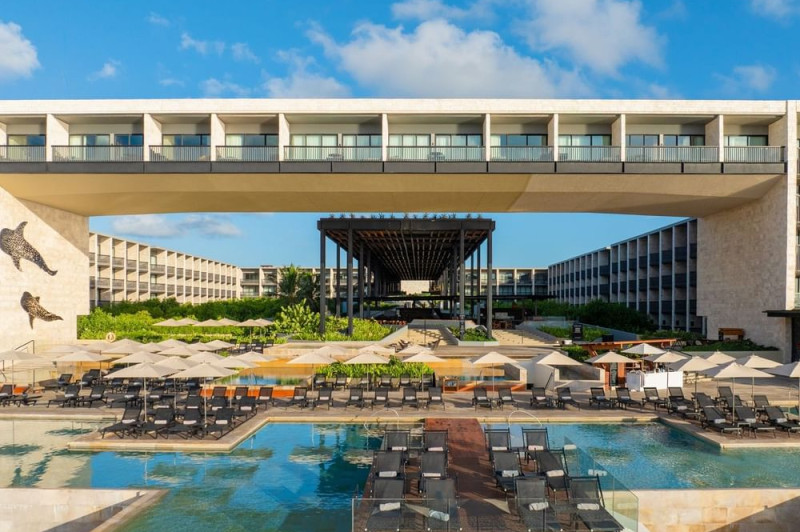
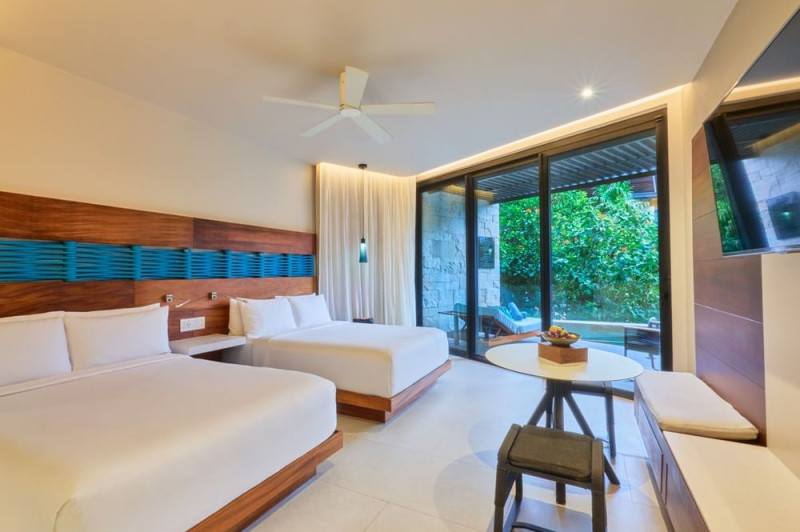
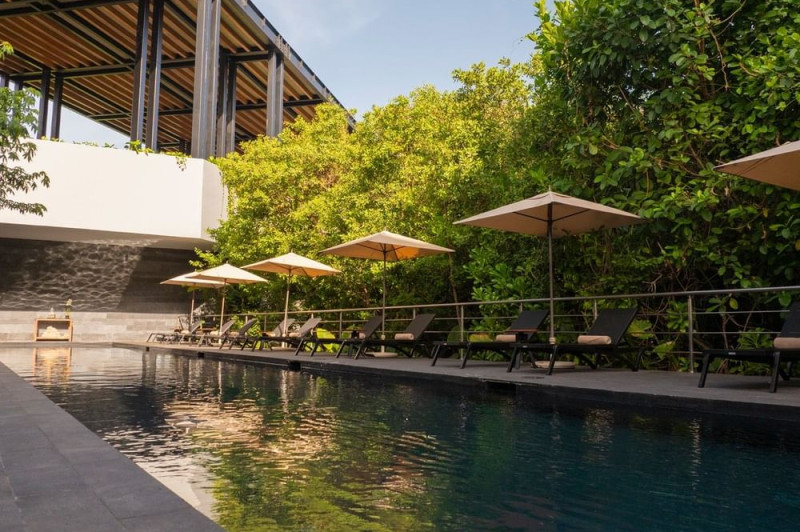
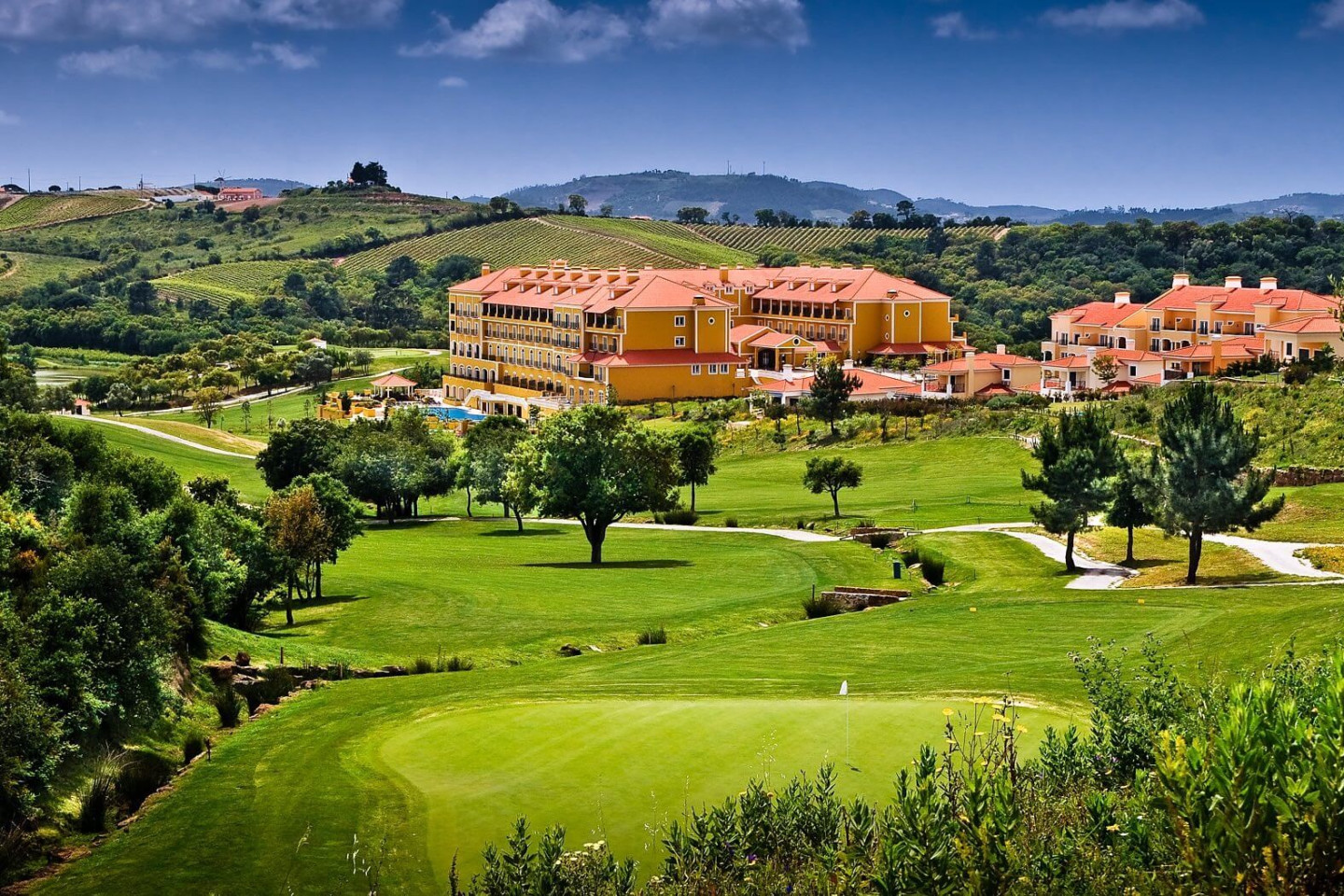
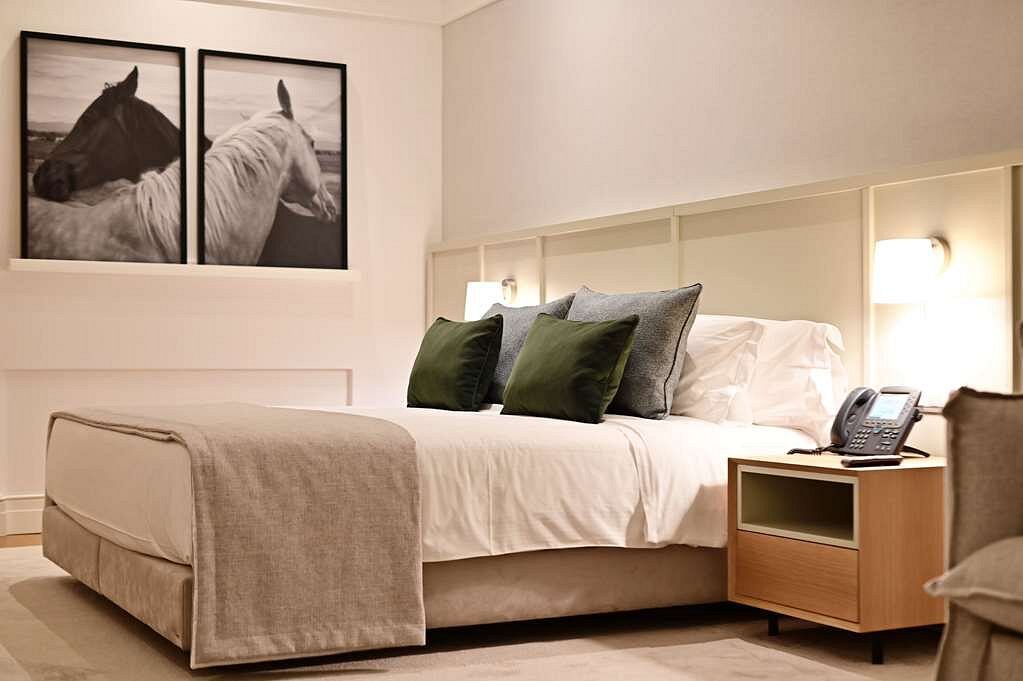
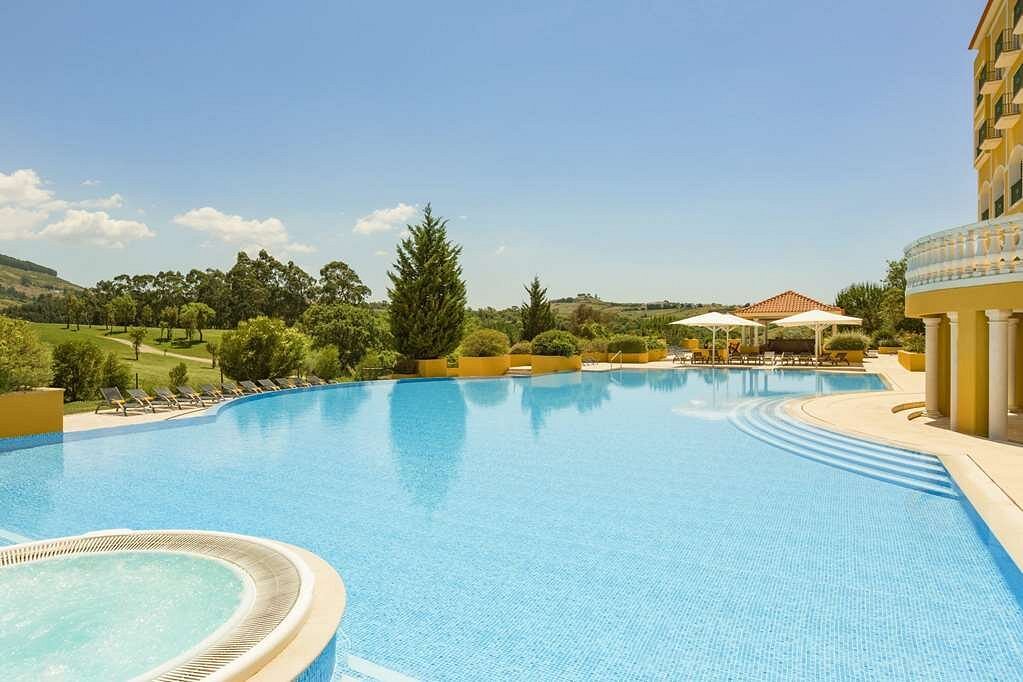
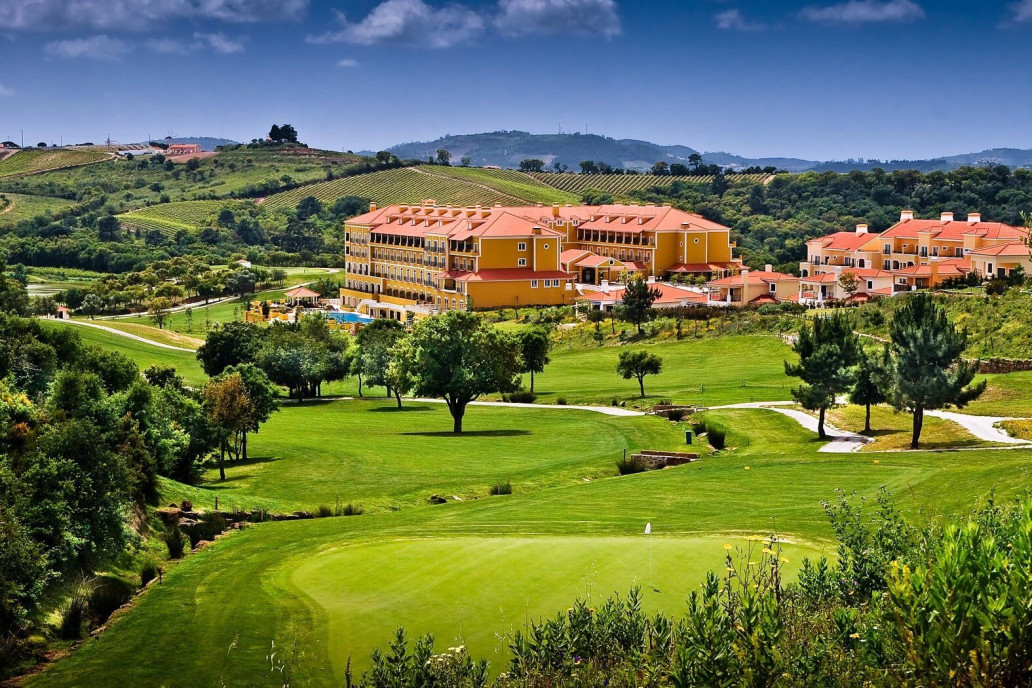
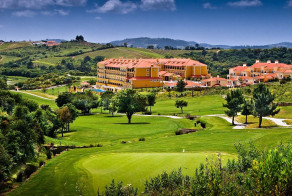
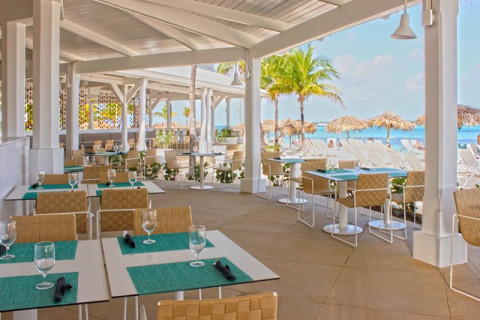
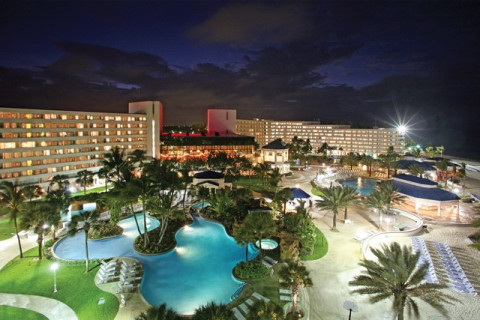
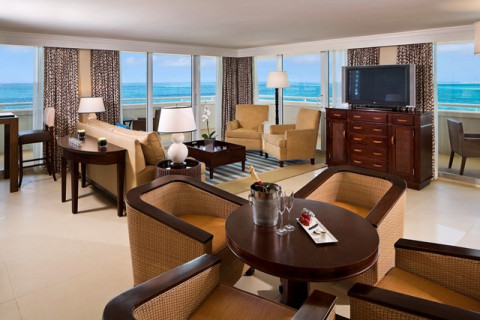
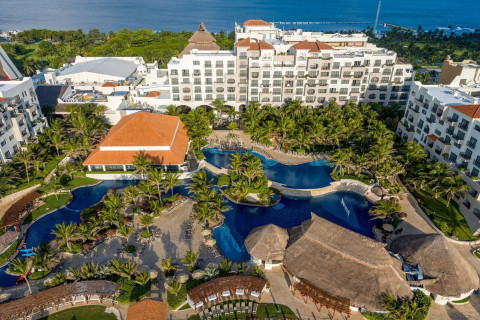
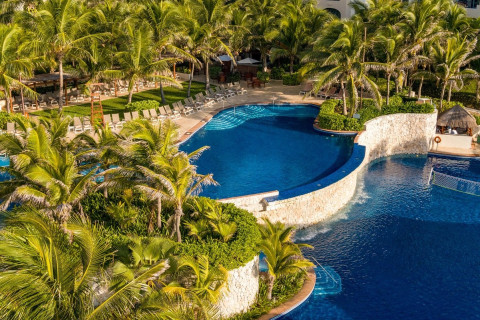
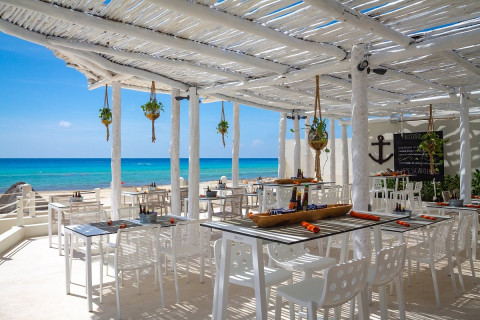
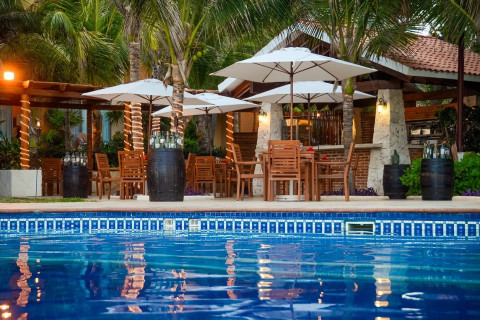
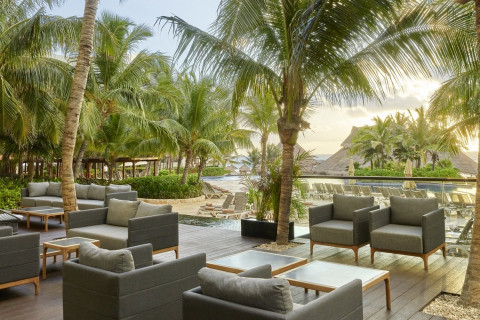
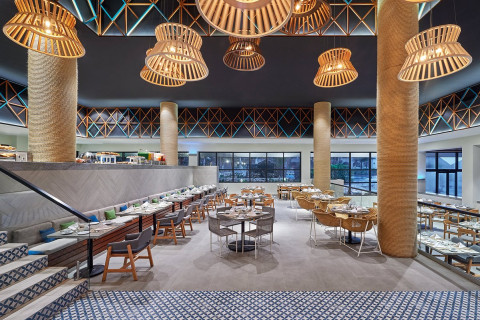
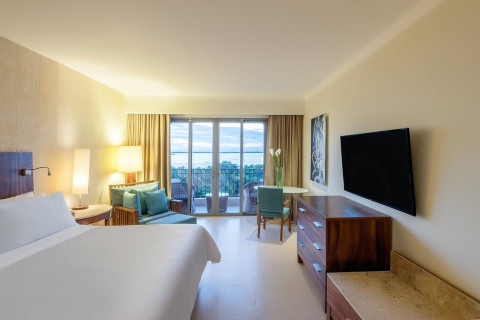
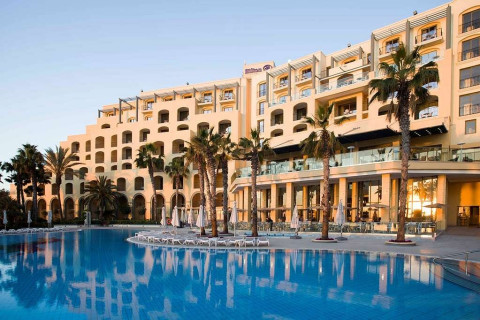
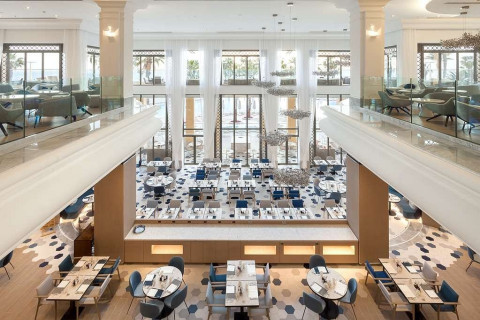
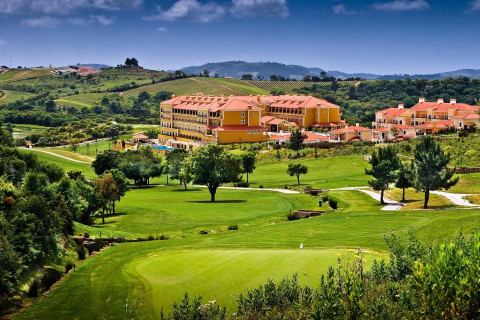
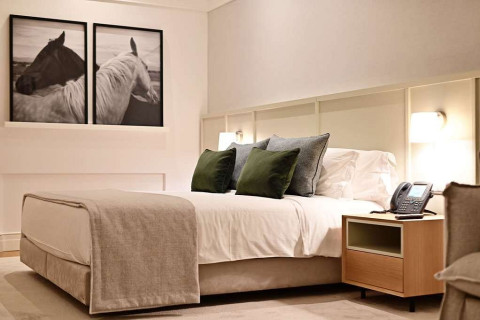
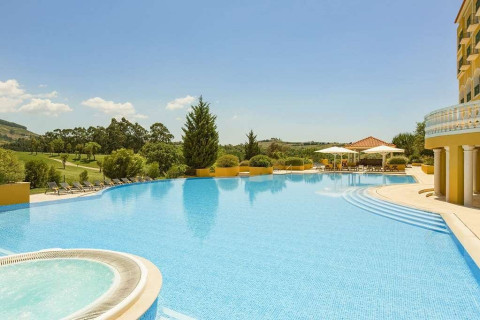
The Dolce CampoReal Lisboa is nestled in the scenic region of Torres Vedras, just 30minutes from the city of Lisbon. Set among the rolling hills and vineyards in the countryside, the hotel offers a focused and peaceful environment for conference sessions, whilst still only a short drive away from the hustle and bustle of the city, so attendees can take advantage of all Lisbon has to offer during free time.
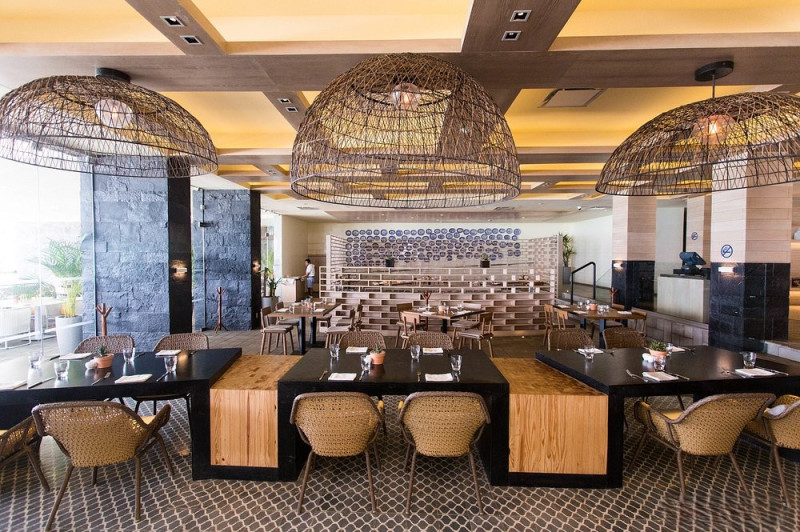
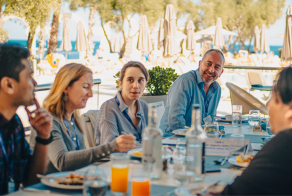
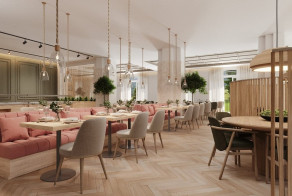
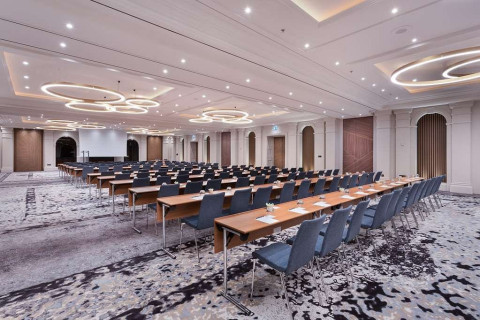
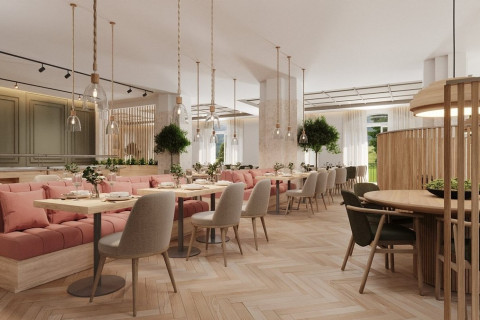
The venue has modern, flexible meeting spaces, and due to its smaller size, we are able to offer group dining experiences on each of the conference days, so ideas can continue to be exchanged in a relaxed and informal setting after sessions conclude. For those who need or wish to travel with family, a dedicated kids club and family friendly activities ensure you can balance both work and play.
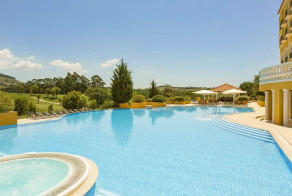
Outside of sessions, the hotel itself boasts a golf course, tennis courts and wellness facilities for both relaxation and recreation, and the surrounding area is perfect for scenic hikes or nature walks. With the venue nestled in one of Portugal’s renowned wine regions, delegates often enjoy visiting local vineyards for a wine tasting experience during free time.
The blend of both professional and personal experiences make it the perfect setting to reconnect with colleagues, relax with family, and fuel productive conversations to drive research forward.


General Information
Conference Currency
Euro (EUR)
Address
R. do Campo (Campo Real) 2565-770 Portugal
Nearest Airport
Lisbon Portela Airport
Hotel Facilities
- Complimentary Wi-Fi in guest rooms and throughout hotel and conference areas
- Indoor heated swimming pool
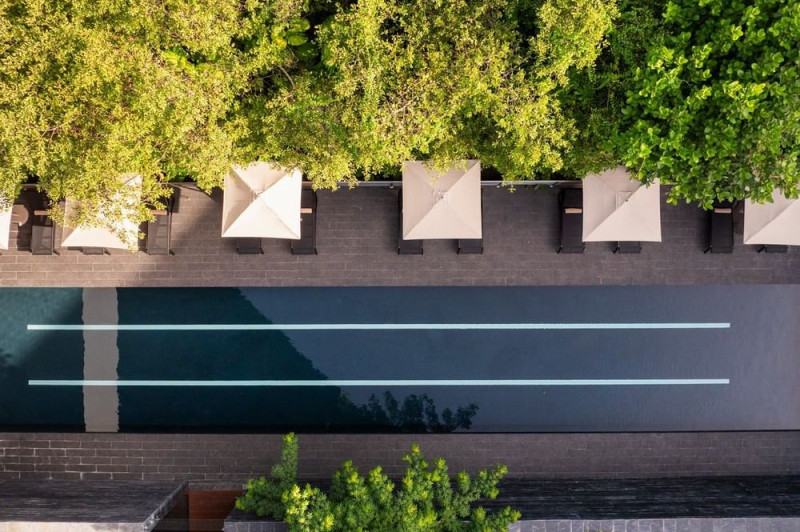
- Outdoor swimming pool with Jacuzzi
- Spa
- Gym
- Golf course
- 2 Tennis courts
Location
The Dolce CampoReal Lisboa is nestled between the vineyards and the extraordinary landscape of the Socorro and Archeira Mountains.
Lisbon is only a short 30-minute drive away. The Portuguese capital is constantly recognised as one of the greatest cities in the world, a claim confirmed by the “Lonely Planet Guides", who named Lisbon one of the world’s top 10 cities. Lisbon in one of the world’s oldest cities, predating the likes of London, Rome and Paris by hundreds of years. Hillsides covered in tumbledown houses and a mix of baroque and neoclassical buildings, including cathedrals and palaces, make up Lisbon’s skyline. The city is a combination of old and new, with beautiful modern buildings constructed near renovated historical landmarks and ruins.



If you are interested in this meeting but not yet ready to register, you can sign up for updates here and our team will keep you updated regarding deadline reminders and grant opportunities relating to this meeting only.
Media Partners
Partner
If you're interested in sponsoring this conference please contact us.
Conference Manager
Rosie Johnson
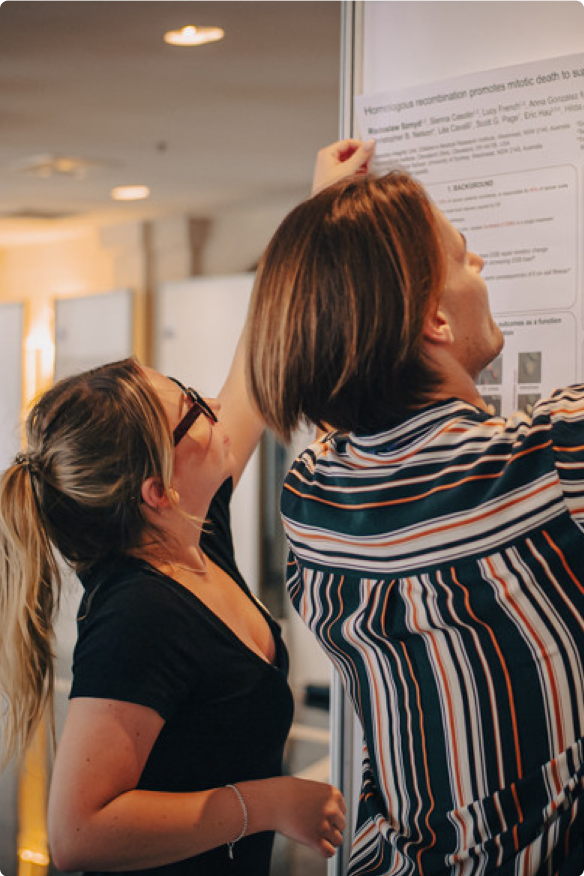
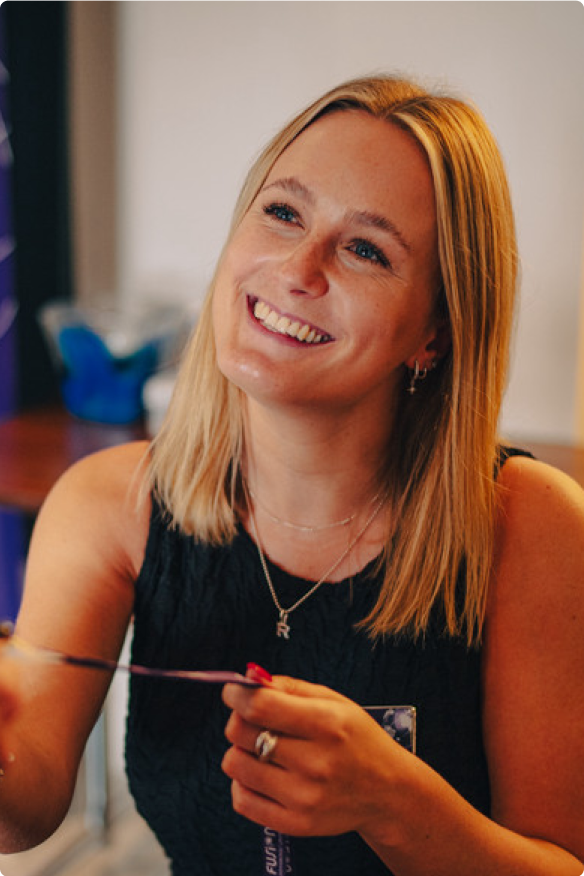
Need some help? Chat to the Fusion team today
As a family run business, our dedication runs deep. We’re committed to each other and, even more so, to every attendee’s experience, delivering a level of care and passion that’s truly unmatched.